


Newsletter Subscribe
Enter your email address below and subscribe to our newsletter

Enter your email address below and subscribe to our newsletter

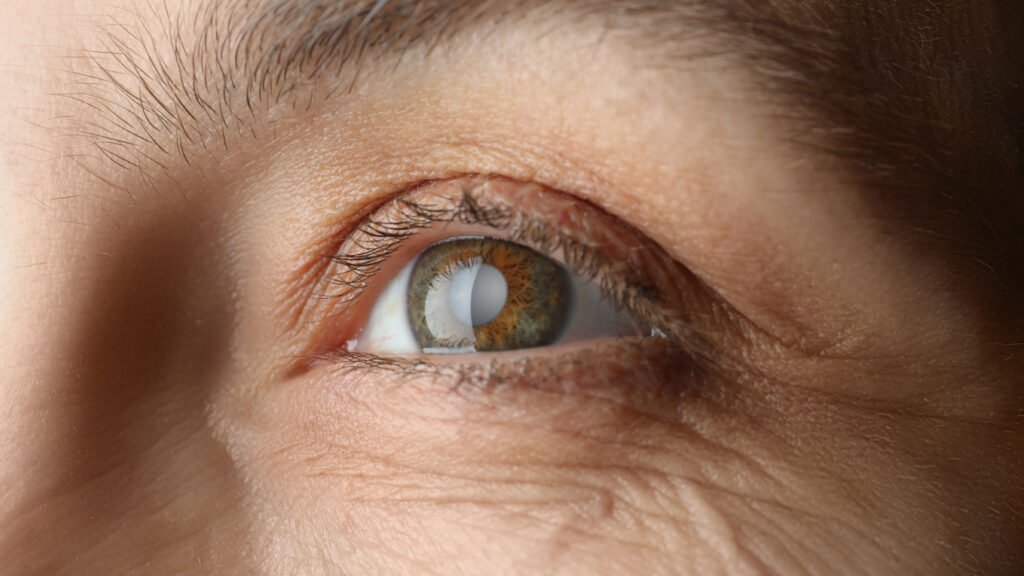
Prem S. Subramanian, MD, PhD, emphasized the importance of pattern recognition in distinguishing ocular from neurologic causes of visual symptoms during EyeCon 2025. (Image credit: AdobeStock/ryandi)
“Pattern recognition is key,” emphasized Prem S. Subramanian, MD, PhD, as he discussed the challenges of distinguishing ocular from neurologic causes of visual symptoms at the Ophthalmology Times and Optometry Times EyeCon® 2025 conference, September 26 and 27 at the Margaritaville Hollywood Beach Resort in Hollywood, Florida.
Subramanian served as cochair of the session titled, Some People Claim That There’s Neurology to Blame: Neurologic Disease and the Retina. He joined Jacqueline (Jaci) Theis, OD, FAAO, of Virginia Neuro-Optometry, to explore how subtle retinal and optic nerve findings can signal deeper neurologic disease. Subramanian is the Clifford R. and Janice N. Merrill Endowed Chair in Ophthalmology; professor of ophthalmology, neurology, and neurosurgery; and Vice Chair for Academic Affairs with the Sue Anschutz-Rodgers Eye Center at University of Colorado School of Medicine.
The Eye Care Network spoke with Subramanian to discuss clinical clues, imaging strategies, and the evolving role of AI in neuro-ophthalmic care.
Note: Transcripted edited lightly for clarity and length.

(Courtesy of Prem S. Subramanian, MD, PhD)

Prem S. Subramanian, MD, PhD: Optic disc pallor or retinal vascular narrowing are typical signs of potential neurological problems. Subtle retinal hemorrhages may be missed, and mild nerve fiber layer defects also can be difficult to detect and be a sign of disease.
Subramanian: In the office, optical coherence tomography of the retinal nerve fiber layer and ganglion cell complex are both very helpful to identify subtle abnormalities of optic nerve and retinal structure. Once an optic neuropathy, chiasmatic, or post-chiasmatic problems is identified, then MRI brain and orbits with contrast and fat saturation would be most useful.
Subramanian: Open and direct communication is key. The ophthalmologist must speak in direct and clear terms to their colleagues in neurology and neurosurgery about the concerns found on exam and about the perceived urgency of intervention that may be needed.
Subramanian: Pattern recognition is key—looking for visual field changes that suggest the eye rather than the brain, for example. Identifying homonymous field defects when a patient complains of vision loss in one eye only occurs commonly and changes the diagnosis of course. For diplopia, again looking at the pattern of eye movement changes, presence of ptosis or anisocoria, and variability will help in identifying a cause.
Subramanian: We will use AI systems to help us find patterns in these imaging studies, and this will help with localization and also be a means of determining that structures are normal even when function may be abnormal. The resolution of the imaging studies will likely improve as well, letting us see subtle structural problems that we cannot identify right now.
Source: www.ophthalmologytimes.com
Author: | Date: 2025-09-27 20:00:00