




Topical liposomal ozonated oil may be a useful treatment in neurotrophic keratopathy | Ophthalmology Times
Share your love

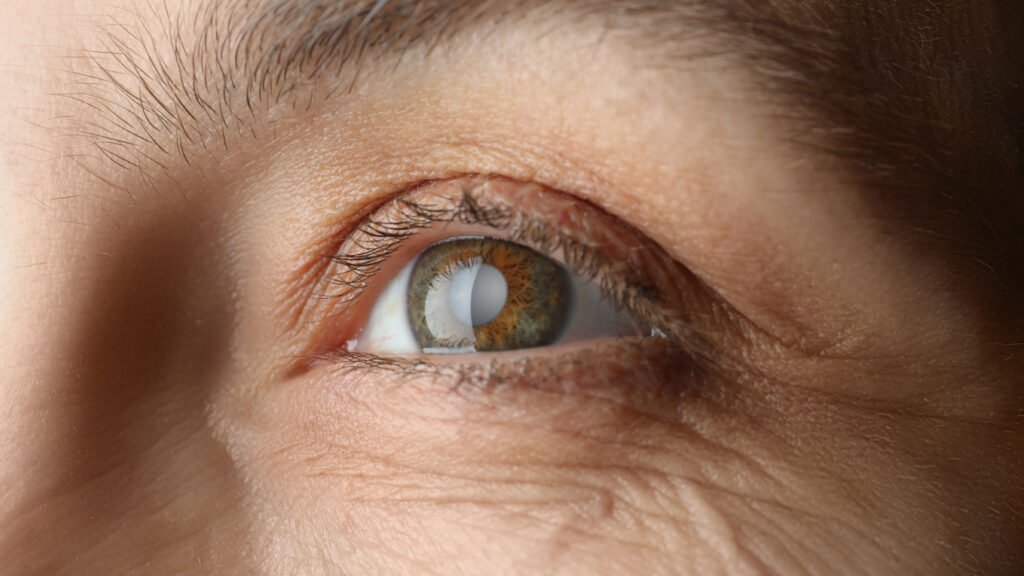
Advances in topical therapies highlight new approaches to supporting corneal healing and infection control in neurotrophic keratopathy. (Image credit: AdobeStock/Pixel-Shot)

Topical liposomal ozonated oil may play an antiseptic role in the management of
Giralt et al described NK as a form of persistent epithelial defect associated with damage to the trigeminal nerve.¹ The condition is characterized by reduced corneal sensitivity or complete corneal anesthesia and may lead to epithelial keratopathy, ulceration, and, in severe cases, perforation.
Treatment and infection avoidance
Various treatment approaches can be employed to restore corneal integrity and reduce the risk of infection, including
Broad-spectrum antibiotics have traditionally been used for infection prevention; however, concerns regarding antibiotic resistance, limited coverage against viral and fungal pathogens, and the presence of preservatives in many formulations have prompted the development of alternative antimicrobial agents.
An alternative treatment
The authors noted that liposomal ozonated oil is increasingly being considered for the management of certain infections and that its antimicrobial, antifungal, and antiviral properties are well established.¹ These effects are attributed to the highly oxidative oxygenated compounds released upon contact with rapidly proliferating microbial cells.¹ The oil has demonstrated a lack of toxicity in human corneal and conjunctival cells, along with regenerative and anti-inflammatory properties.¹
They also noted that ozonating monounsaturated fatty acids and encapsulating them in hypromellose-based liposomes enhances stability and tolerability on the ocular surface, and that the specific formulation of the oil ensures good biocompatibility and tolerability.¹
Adverse effects
Management of NK focuses on facilitating closure of epithelial defects. Although gaseous ozone has been shown to damage microorganisms,3 with effects that can also extend to the ocular surface, 5% liposomal ozonated oil has been demonstrated to have no adverse effects on corneal and conjunctival epithelial cells, while supporting wound healing and remodeling.
Conclusion
Giralt et al concluded that liposomal ozonated oil may represent an innovative option for the treatment of NK because of its antiseptic and regenerative properties.¹
Although the authors noted the small sample size of 3 patients, they were encouraged by the findings and suggested that liposomal ozonated oil could serve as an important therapeutic alternative to antibiotics.¹
References
-
Giralt IM, de Los Bueis AB, Ucero AM, Colomo PV. Management of neurotrophic corneal ulcer with a topical liposomal ozonated oil: a report on three clinical cases. Am J Ophthalmol Case Rep. 2025;38:102344. doi:10.1016/j.ajoc.2025.102344
-
Kahana A. Pearls for the treatment of patients with neurotrophic keratitis. Ophthalmology Times. June 21, 2024. Accessed December 17, 2025.
https://www.ophthalmologytimes.com/view/pearls-for-the-treatment-of-patients-with-neurotrophic-keratitis -
Lee H, Kim EK, Kang SW, Kim JH, Hwang HJ, Kim TI. Effects of ozone exposure on the ocular surface. Free Radic Biol Med. 2013;63:78-89. doi:10.1016/j.freeradbiomed.2013.05.006
Source: www.ophthalmologytimes.com
Author: | Date: 2025-12-20 17:00:00