


Newsletter Subscribe
Enter your email address below and subscribe to our newsletter

Enter your email address below and subscribe to our newsletter


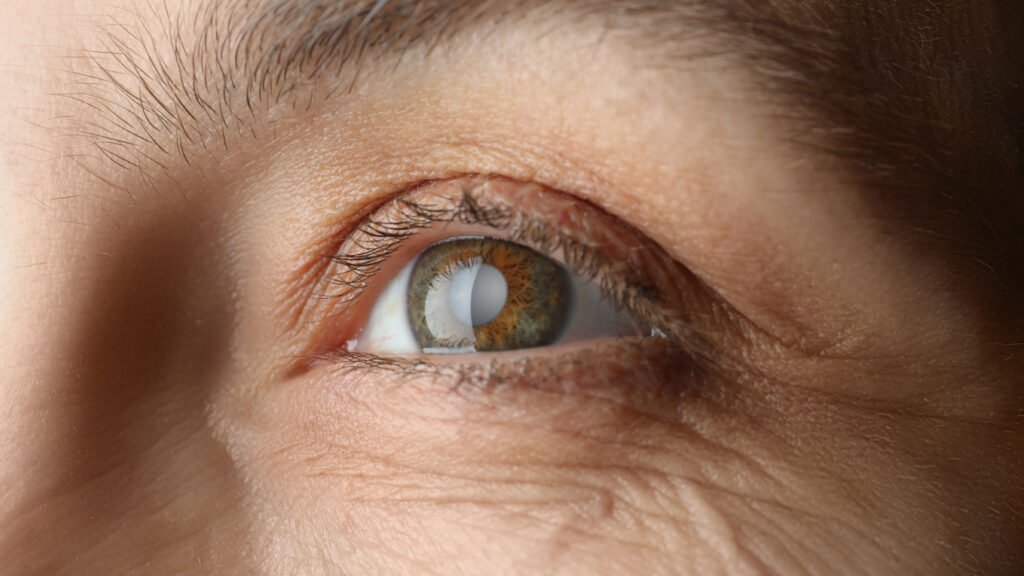
From artificial intelligence to retinal care and postoperative protection, Joshua Mali, MD, FASRS, offers five predictions shaping ophthalmology in 2026. (Image credit: AdobeStock/Sam Efendi)

It’s that exciting time of the year again when I reveal my top 5 predictions in ophthalmology for 2026.
I have been writing about AI for years, highlighting the benefits and potential applications in ophthalmology. Although considerable focus has been on the technology AI chip race and data center production in 2025—with companies like Broadcom, Nvidia, and OpenAI leading the way—we need to start looking at the actual clinical implications of AI in ophthalmology.
One particular technology that I find fascinating in this space is a home optical coherence tomography (OCT) platform (SCANLY Home OCT; Notal Vision), which could possibly be made available sometime in 2026. A unique blend of AI and telemedicine to monitor patients with
I foresee tremendous opportunity in the entire spectrum of AI utilization in ophthalmology. Whether it is
The
One particular manufacturer seems to have some momentum heading into 2026 with its Light Adjustable Lens (LAL; RxSight). The ability to customize surgical outcomes postoperatively appears to be appealing to both surgeons and patients and could see a boost in 2026 in regard to demand and utilization.
Although ranibizumab biosimilars have been available for several years, they have gone through considerable changes recently. With both Cimerli and Byooviz undergoing ownership or distribution changes—Sandoz acquiring Cimerli in 20241 and Harrow purchasing the US rights of commercialization/distribution to Byooviz from Biogen2—and the relatively recent launch of the aflibercept biosimilar (Pavblu; Amgen) in late 20243 it has been a rollercoaster ride for the biosimilar industry.
Although the overall uptake of these agents have been low thus far and there have been changes in strategy and implementation, it is conceivable that insurance payers will likely attempt to implement step edit therapies with biosimilars to drive down costs. Although this process has been slow to say the least, I do see a potential for this to accelerate in 2026. The branded originator molecules and next-generational anti-VEGFs—like faricimab (Vabysmo; Genentech) and aflibercept (Eylea HD; Regeneron)—will still be in great shape throughout 2026 and beyond given their efficacy, durability, and long-standing safety record.
GA has been the final frontier in retina medicine. As retinal specialists, we are blessed to have 2 FDA-approved treatments: pegcetacoplan (Syfovre; Apellis) and avacincaptad pegol (Izervay; Astellas Pharma US, Inc). These therapies have provided us with options to help slow the progression of a naturally blinding disease for our patients with GA.
Given the success of complement inhibition as a key mechanism of action in regard to reduction of GA disease progression, I believe that patients with treatable GA should at least be offered the option of therapy as a standard of care, presuming they are a suitable candidate. Whether or not they choose to undergo therapy is a decision that patients need to make with the support of their physician and family and friends, but they should have the opportunity to do so if they desire. It is a commitment given the ongoing intravitreal injection therapy on a regular frequency (theoretically indefinitely until we have further innovation) so certainly not a decision to be taken lightly.
This underscores the need to educate patients with GA on disease prognosis by physicians as well as ensure timely evaluation and management of this patient population given that many may still be undertreated. The days of just monitoring patients with GA have long passed and the need to be more proactive is present now in 2026.
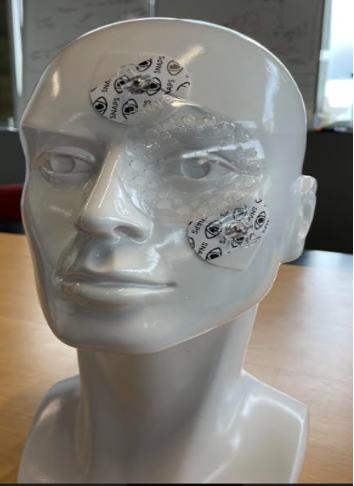
(Courtesy of Joshua Mali, MD, FASRS)
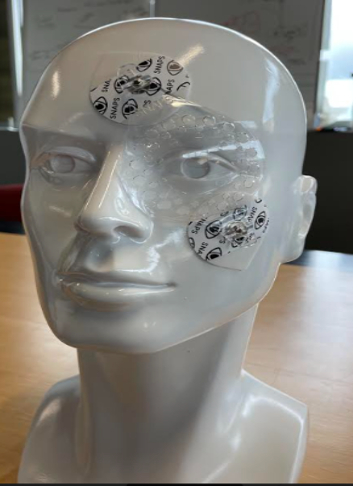
A novel
This is shaping up to be an amazing year. I look forward to keeping you updated throughout 2026 and beyond.
Note: The opinions expressed in this article are those of the author and do not necessarily reflect the views of the publication or its editors.


Source: www.ophthalmologytimes.com
Author: | Date: 2026-01-26 05:00:00