


AAO 2026 Highlights Hospital Ophthalmology Coverage Gaps and Growing Reimbursement Pressures
Share your love
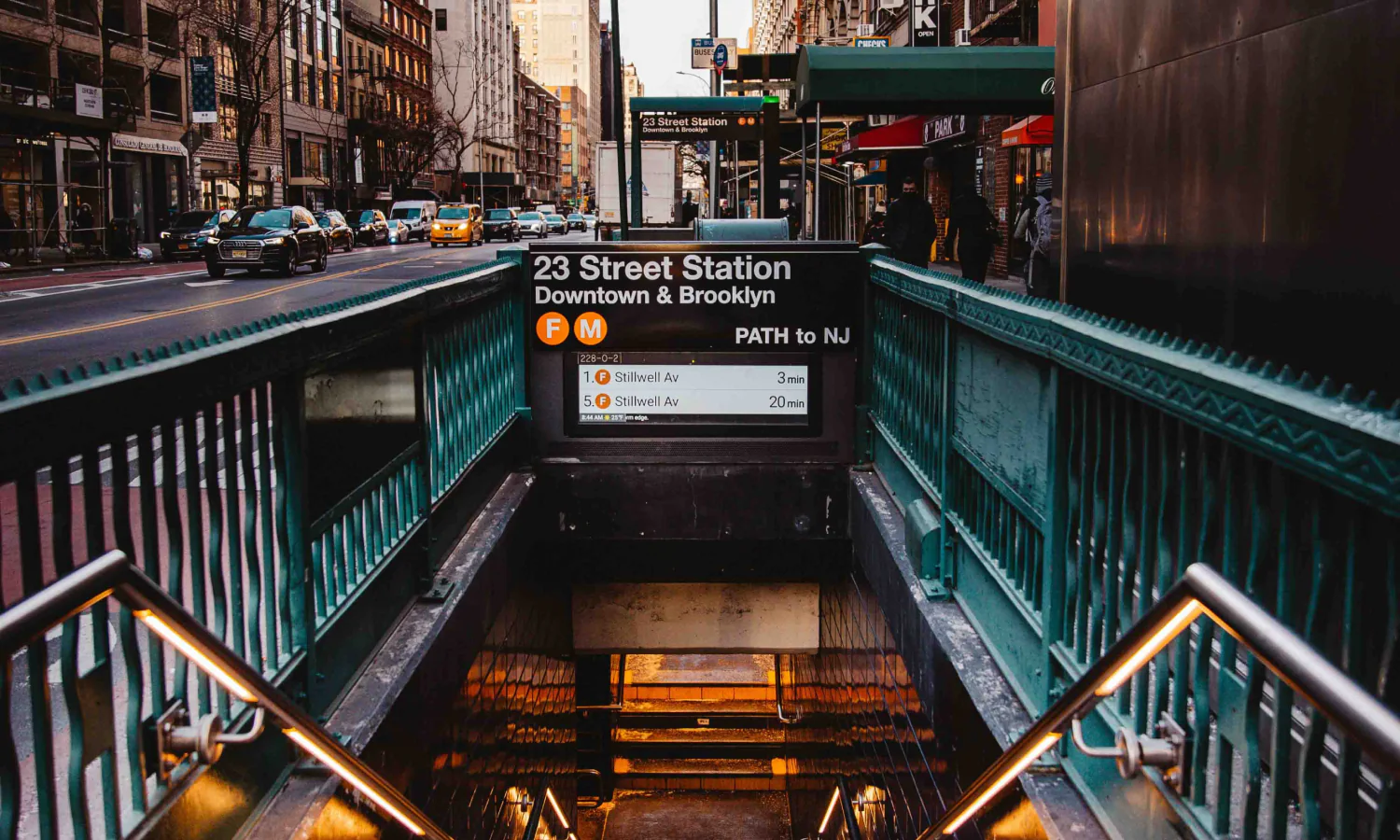
Access to hospital-based eye care and reimbursement were policy topics at the American Academy of Ophthalmology (AAO) 2026 Annual Meeting, where ophthalmology leaders described a retrospective review of 747 eye-related transfers from 25 hospitals in the New York area. The referring diagnosis was correct in approximately 26% of cases, and about 41% of transferred patients received no ophthalmic intervention. The figures point to gaps in initial assessment and referral, although a transfer without intervention may still have been needed to rule out a sight-threatening condition.
Transfer Review Findings
- Design: retrospective review
- Scope: 747 ophthalmology-related transfers from 25 hospitals in the New York area
- Diagnostic accuracy: referring diagnosis correct in approximately 26% of cases
- Intervention: about 41% of transferred patients received no ophthalmic intervention
Hospitals without on-site ophthalmology specialists may transfer patients to facilities with greater specialty resources, and some transfers are essential. A specialist evaluation that excludes an emergency is itself a valid outcome, so the 41% figure measures an opportunity to improve triage and referral pathways.
Reimbursement Pressures
Speakers linked the availability of hospital ophthalmology services to reimbursement disparities. Figures cited included hospital reimbursement of approximately $2,358 for cataract surgery, compared with $11,866 for knee replacement. These figures belong to a specific reimbursement context and should be read within it.
Such comparisons help explain why hospitals may struggle to staff around-the-clock eye coverage. A complete financial analysis would also account for call burden, emergency case mix, teaching obligations and downstream care, all of which differ by institution.
Improving Triage and Coverage
Potential approaches include better emergency department training, teleophthalmology support, standardized triage pathways and closer coordination between hospitals and specialist services. Pathways need to distinguish emergencies such as open-globe injury, acute retinal detachment or endophthalmitis from conditions suitable for scheduled care. Remote image review depends on usable images, trained staff, clear escalation rules and a receiving service that can act promptly.
A sustainable model may combine regional coverage agreements, structured referral protocols and support for specialists who take emergency calls. The aim is to keep necessary transfers while ensuring patients receive appropriate care without avoidable delay.
Next Steps for Research
The strongest next study would track transfer appropriateness and patient outcomes after a triage intervention. Access improves when urgent patients reach definitive care faster and less urgent patients receive safe local evaluation without unnecessary travel. Counting fewer transfers alone would miss both effects.
Conclusion
The transfer data show an opportunity to improve triage, and a specialist visit with no intervention can still be an appropriate transfer. Clinical advances need healthcare systems able to deliver timely and equitable care, and patient safety and time to definitive care should anchor any redesign of hospital ophthalmology coverage.
The post AAO 2026 Highlights Hospital Ophthalmology Coverage Gaps and Growing Reimbursement Pressures appeared first on Ophthalmology Breaking News.
Source: ophthalmologybreakingnews.com
Author: OBN Editorial Team | Date: 2026-10-11 09:00:00