


Newsletter Subscribe
Enter your email address below and subscribe to our newsletter

Enter your email address below and subscribe to our newsletter
(Image Credit: AdobeStock/Mohwet)
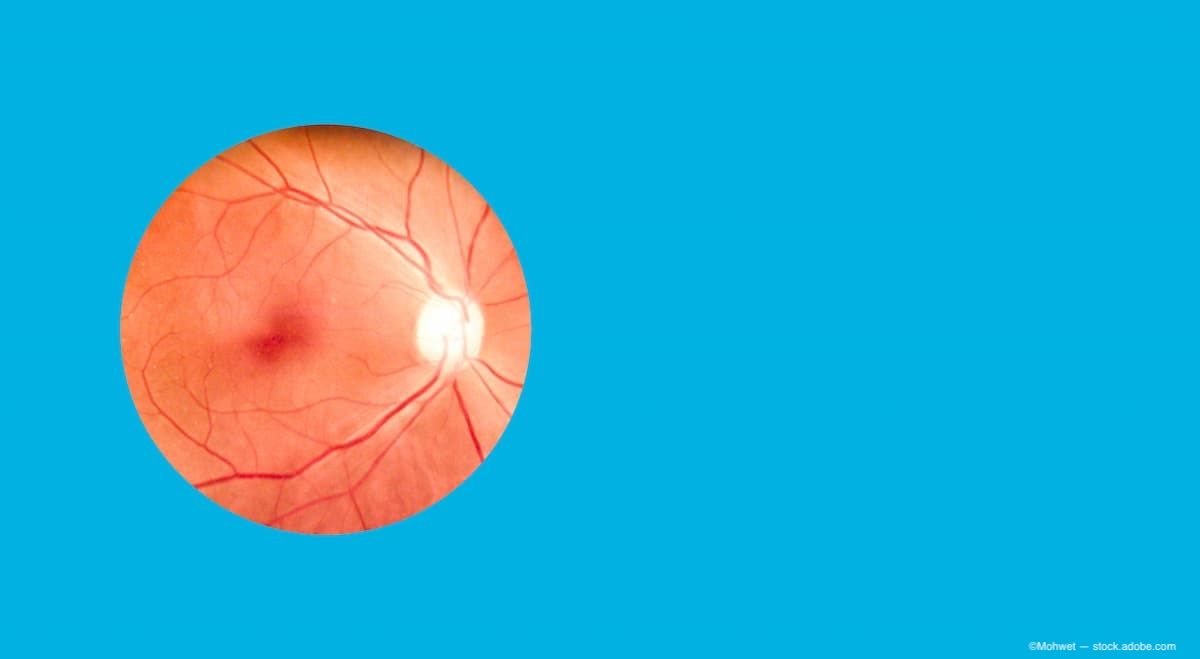
AAO 2025 showcased some of the most significant leaps in retinal imaging and disease surveillance the field has seen in over a decade. Three presentations—delivered by SriniVas R. Sadda, MD; Anat Loewenstein, MD; and Jay Chhablani, MD—highlighted a common theme: ophthalmology is entering an era defined not merely by better images, but by smarter, more continuous, and more reliable data. Together, their insights paint a picture of a future in which earlier detection, improved accuracy, and safer treatments become standard across practices worldwide.
Sadda’s presentation centered on the integration of true RGB imaging, including the critical blue wavelength, into the Silverstone platform. While the addition of a color channel may seem incremental, Sadda emphasized that the impact is anything but. The blue wavelength dramatically enhances the visualization of fibrosis, inflammatory deposits, and whitish lesions—structures historically difficult to appreciate with existing widefield imaging.
More importantly, Silverstone’s ability to combine true color, multimodal angiography, and widefield OCT in a single platform allows clinicians to examine peripheral pathology that previously required dedicated imaging systems. Sadda noted that this has become indispensable for his practice, especially in elderly and mobility-limited patients who benefit from a single-session, single-device workflow. The result: faster, more complete imaging and greater detection of pathology that may influence treatment decisions.
If Sadda’s talk represented advances in what clinicians can see in the clinic, Loewenstein’s presentation demonstrated how patients can now help generate critical data from home. Her work on home OCT devices enhanced with AI interpretation shows that remote monitoring has moved beyond novelty and into clinically meaningful territory.
Loewenstein highlighted studies revealing that AI-associated image grading from home OCT matches—or in some cases surpasses—the agreement levels seen between expert human graders. This precision allows for early detection of fluid changes, prompting timely intervention. She referenced real-world findings showing that patients using home OCT often extend their injection intervals—from an average of 8 weeks to more than 15 weeks—without compromising disease control.
The imminent results from DRCR’s Protocol AO, a large trial assessing home OCT integrated with treat-and-extend regimens, are expected to clarify the long-term visual and economic benefits of remote disease surveillance. But Loewenstein stressed that the early evidence is already compelling: home OCT is reshaping how clinicians think about ongoing AMD management, with the potential to reduce clinic burden while improving outcomes.
Complementing the progress in imaging and monitoring, Dr. Chhablani’s analysis of the FDA Adverse Event Reporting System (FAERS) brought attention to the safety side of retinal therapeutics—an area where accurate data is crucial, especially after recent concerns surrounding specific intravitreal agents.
His longitudinal review of reports from 2010–2025 revealed clear spikes in retinal vasculitis cases, particularly in 2020 with Beovu and later with Syfovre. Importantly, he observed that once manufacturers identified and corrected contributing factors—such as syringe and needle design changes—reports of vasculitis associated with Syfovre dropped significantly by late 2024.
Chhablani’s key message was twofold:
By contextualizing adverse events with longitudinal data, clinicians can better assess true risk, refine patient counseling, and anticipate safety considerations in emerging therapeutics.
Together, the presentations by Sadda, Loewenstein, and Chhablani reflect an ophthalmic landscape in rapid evolution:
Imaging is no longer just about capturing pictures. It is becoming an ecosystem—uniting clinic-based imaging, AI-assisted home diagnostics, and real-world safety data to guide precision care.
AAO 2025 made one thing clear: the future of retina care is connected, intelligent, and continuous.
Source: www.ophthalmologytimes.com
Author: | Date: 2025-11-24 11:00:00