


Newsletter Subscribe
Enter your email address below and subscribe to our newsletter

Enter your email address below and subscribe to our newsletter
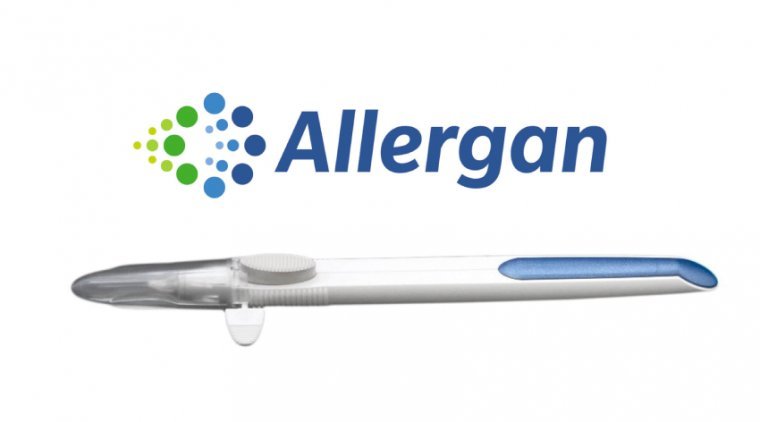
DURYSTA is a biodegradable implant applied to an eye affected by glaucoma or high eye pressure. It’s a drug under the class of Prostaglandin Analogs, which are used to lower pressure in the eyes. DURYSTA is made of a biodegradable…

What Is Double Vision Disorder? Double vision, also known as diplopia, is a condition where a person sees two images of an object. This can occur when the eyes are not aligned correctly or when there is a problem with…
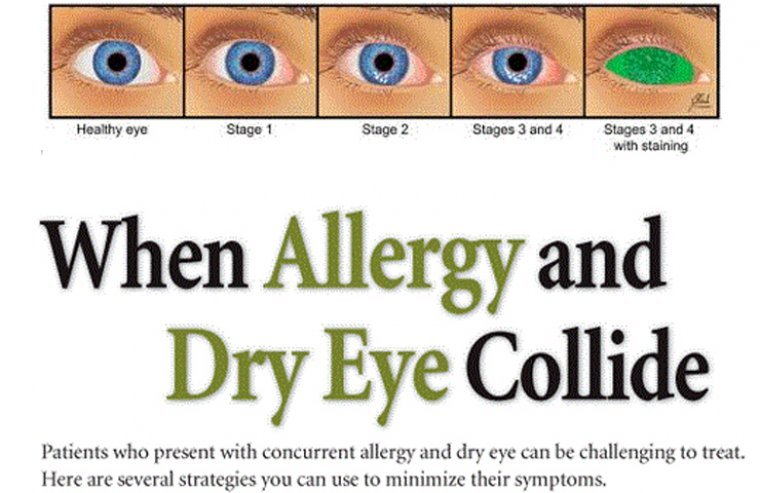
Ocular allergy is a common clinical disorder that includes dry eye syndrome in its differential diagnosis. While ocular allergy treatments have continued to evolve since the early 1990s when the new prescription topical agents became available, there have been no…
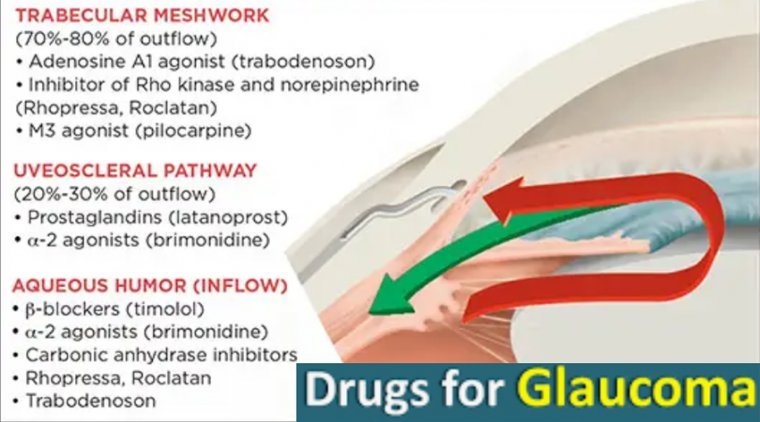
The most common treatments for glaucoma are eye drops and, rarely, pills. They work by lowering the pressure in the eye and preventing damage to the optic nerve. These eye drops won’t cure glaucoma or reverse vision loss, but they…
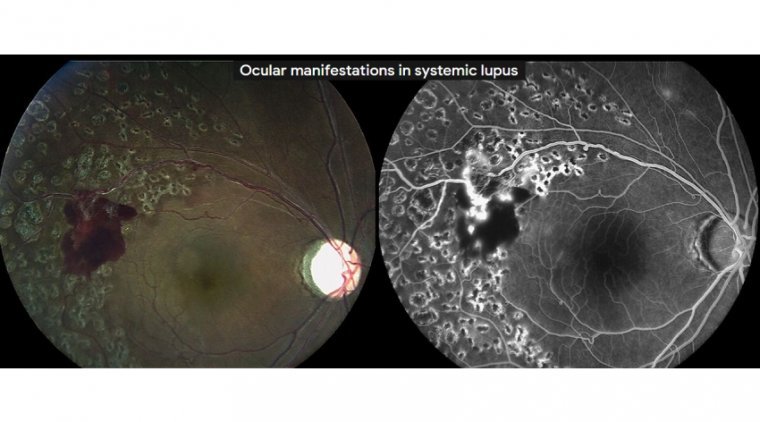
Lupus is a potentially debilitating autoimmune disorder. Macular degeneration is a leading cause of vision loss. But the two disparate diseases share an unexpected connection. Lupus, an autoimmune disease, and macular degeneration, a leading cause of vision loss, share a…
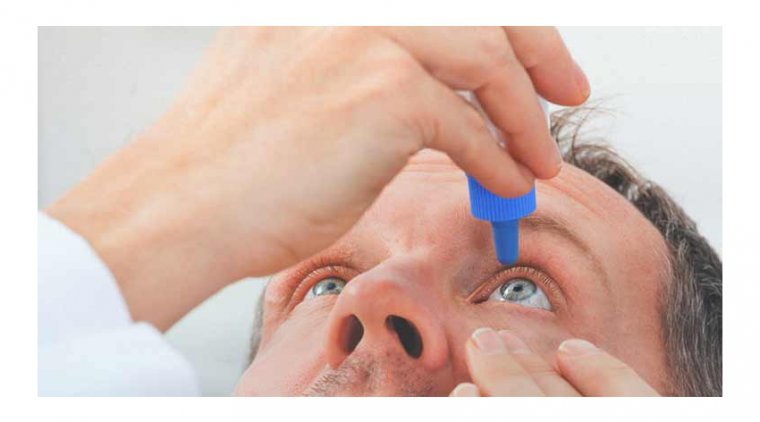
Durysta (bimatoprost and chloramphenicol) is a prescription medication produced by Allergan that is used to lower intraocular pressure (IOP) in people with open-angle glaucoma or ocular hypertension (high pressure in the eye). It is a combination of two medications: bimatoprost,…

The U.S. Food and Drug Administration (FDA) recently issued a safety communication warning against the use of amniotic fluid eye drops to treat dry eye disease. The FDA has found that some manufacturers are marketing and distributing these drops without…

What Is Presbyopia? Presbyopia is a common, age-related vision condition that affects the eye’s ability to focus on near objects. As people age, the lens of the eye becomes less flexible, making it increasingly challenging to adjust focus between objects…
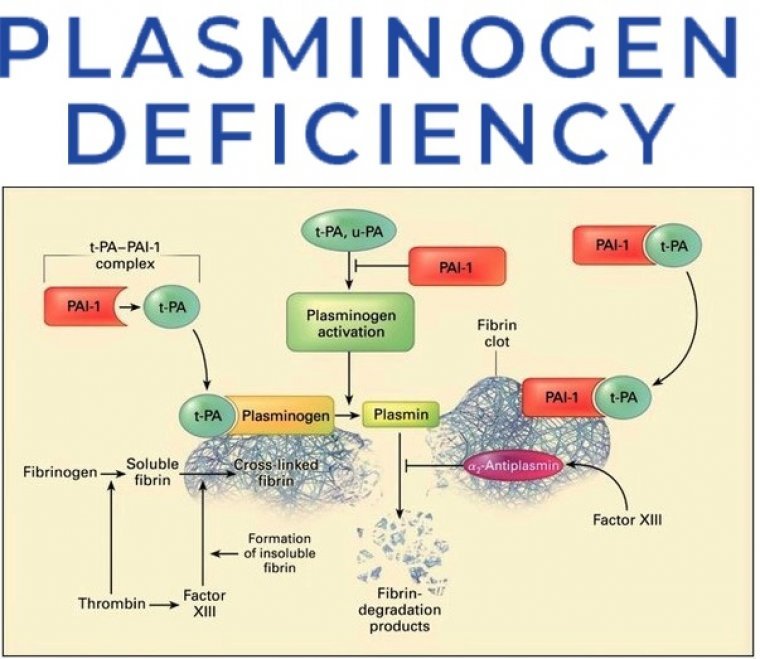
Two types of plasminogen deficiency are described in the medical literature. Congenital type 1 plasminogen deficiency is a quantitative disorder with parallel reductions in both the level of immunoreactive and functional plasminogen; type1 plasminogen deficiency is also called hypoplasminogenemia, and…
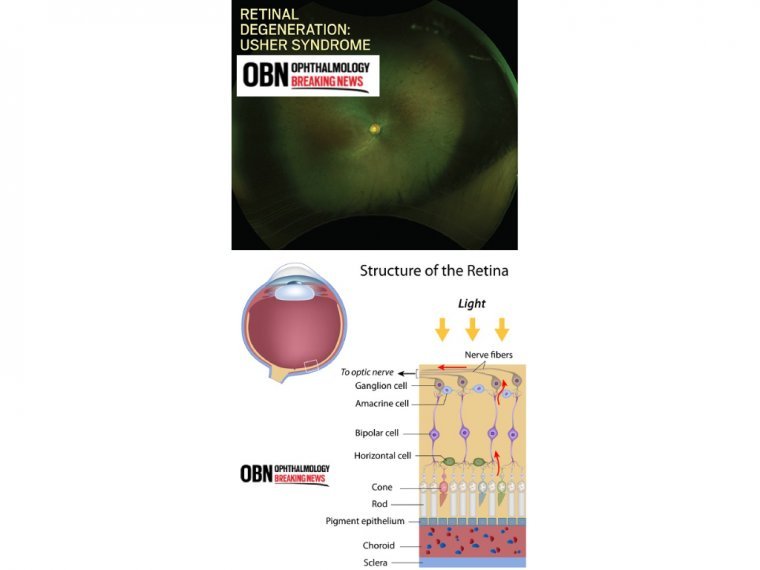
Usher syndrome is the most common condition that affects both hearing and vision; sometimes it also affects balance. The major symptoms of Usher syndrome are deafness or hearing loss and an eye disease called retinitis pigmentosa (RP). Deafness or hearing…