



Research & Studies
Share your love
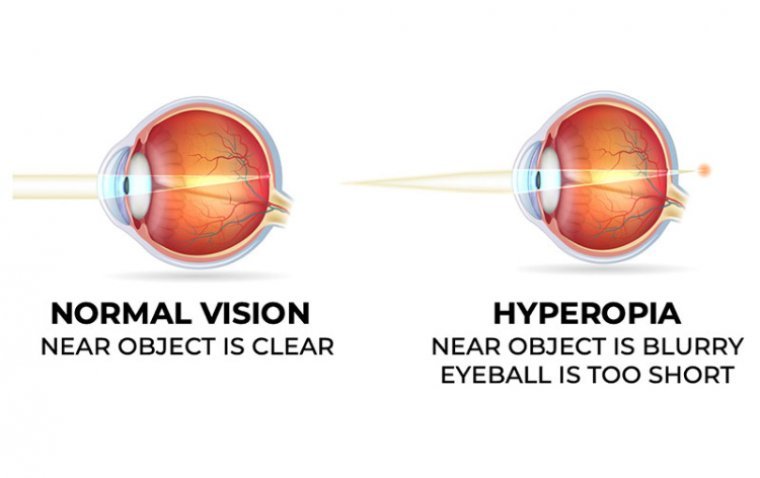
What Is Hyperopia (Astigmatism)? | OBN
Hyperopia, also known as farsightedness and hypermetropia, is a refractive error of the eye that affects a person’s ability to see objects at close range. In this condition, light entering the eye is focused behind the retina instead of on…
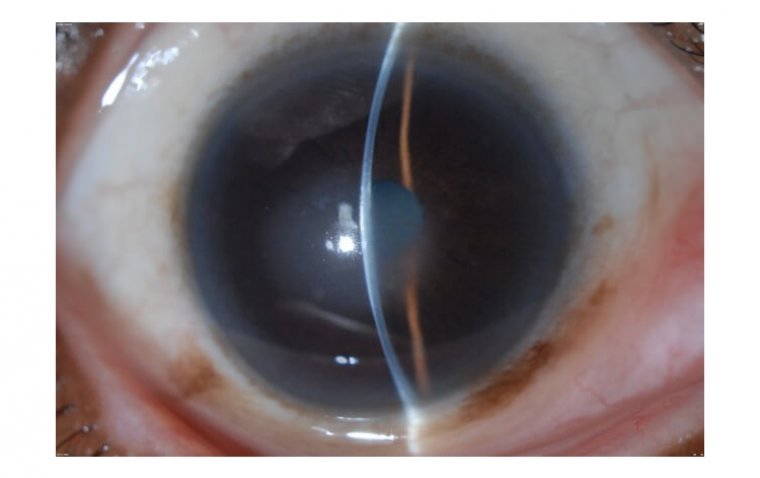
Fuchs’ Dystrophy: Causes, Symptoms, Treatment
What Is Fuchs’ Dystrophy? Fuchs’ dystrophy is a progressive, inherited disease that affects the cornea, the clear outer layer of the eye. This condition is named after Ernst Fuchs, the Austrian ophthalmologist who first described it in 1910. Fuchs’ dystrophy…

How to Educate Patients for Pars Plana Vitrectomy (PPV)
Pars plana vitrectomy (PPV) is a microsurgical procedure used by retina surgeons to perform a variety of operations. The first step in this procedure is to remove the “vitreous gel” that fills the back of the eye (hence “vitrectomy”). While…
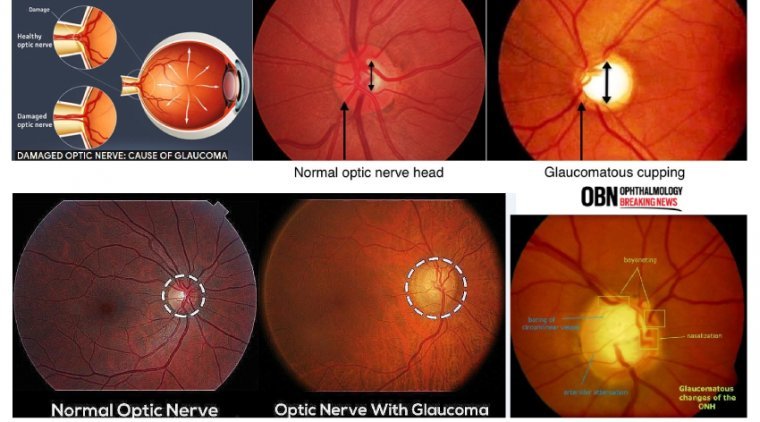
Glaucomatous Optic Nerve Damage | OBN
The optic nerve is composed of approximately 1.5 million nerve fibers at the back of the eye that carry visual messages from the retina to the brain. When light hits the retina, the photoreceptors (light-sensitive cells) receive and transmit this…

Ocular Synechiae: A Rare but Serious Eye Condition
Synechiae, also known as adhesions, are abnormal bands of scar tissue that form between two or more organs or tissues. These bands can occur in different parts of the body and can cause a variety of symptoms. In this article,…

How Photopsies Occur and What is Photopsies
Briefly, a photopsia is a flash or light floating in your eye. They appear to be shiny and luminous. They can be experienced in one eye or both eyes at the same time. Photopsia can either be temporary or they…
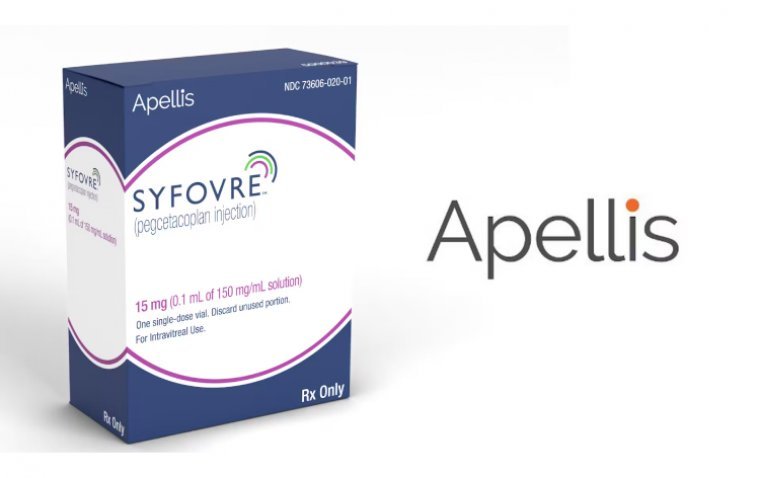
Six Cases of Retinal Vasculitis Reported with Syfovre Use
After the initial approval of Apellis Pharmaceuticals’ geographic atrophy drug Syfovre (pegcetacoplan injection), six cases of retinal vasculitis have been reported. The ASRS Research and Safety in Therapeutics (ReST) Committee issued a notification disclosing these safety concerns to ASRS members,…
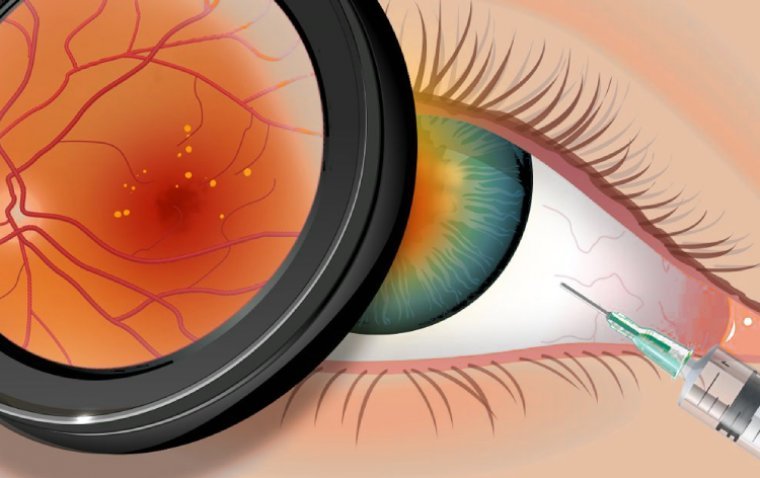
Eye Drops vs. Eye İnjections for Retinal Vein Occlusion
A recent study conducted by Columbia University researchers suggests that newly developed eye drops could potentially offer a more effective and comfortable treatment option for a common eye disease currently managed through eye injections. The eye disease in question is…

What is scotoma? Causes and Types – OBN
Scotomas can be referred to as blind spots, which are the areas we cannot see. They appear dark or very light, blurred or in a flickering state. These can either be short or long-term. Scotomas don’t cause any serious problems…
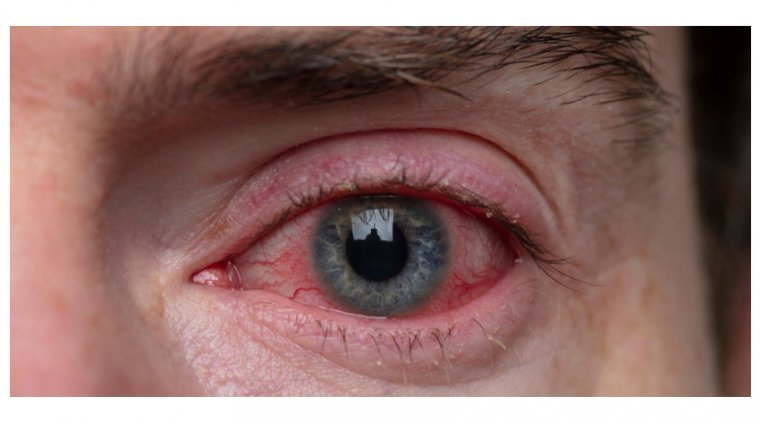
What Happens If You Get Pepper Spray In The Eye?
First and foremost, it’s important to remain calm. If you are wearing contact lenses you will need to remove them as soon as you can. You need to do it with clean fingers, if your skin has been in contact…