



Treatments & Surgery
Share your love
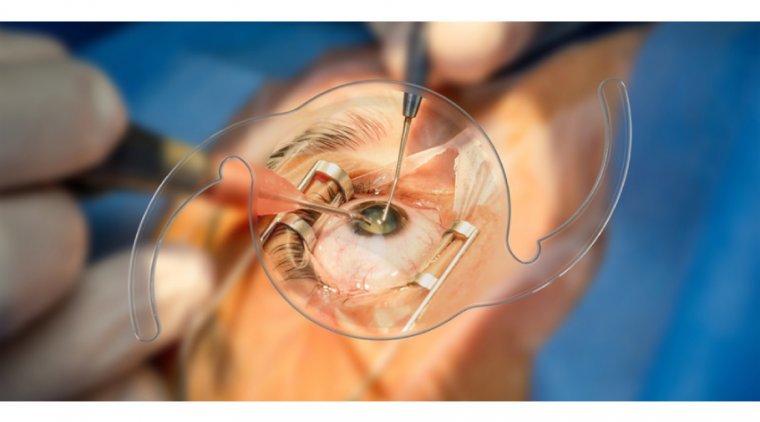
Advantages and Disadvantages of IOL Implantation
Intraocular lens (IOL) implantation is a surgical procedure in which a lens is implanted inside the eye to replace the natural lens. IOL implantation is usually performed to correct vision problems, such as nearsightedness, farsightedness, and astigmatism, or to replace…
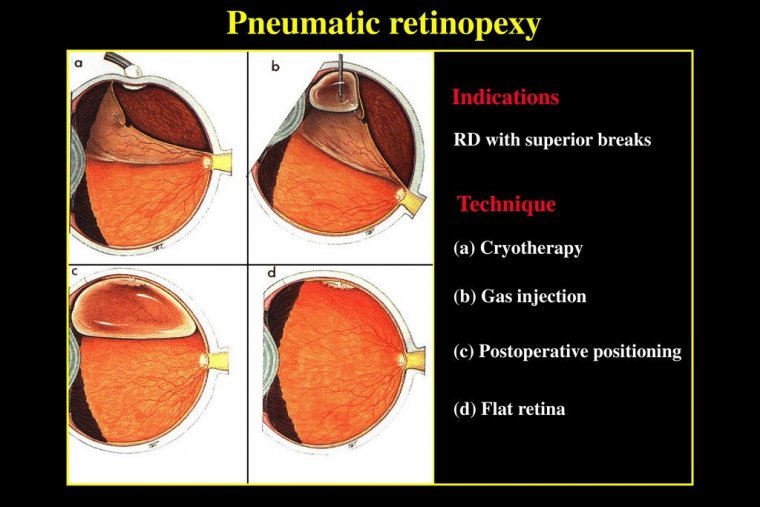
What is Pneumatic Retinopexy? I OBN
Pneumatic retinopexy is an in-office procedure used to repair certain types of retinal detachments. Pneumatic retinopexy typically treats rhegmatous retinal detachments. The eye is numbed with anesthesia so there is no pain. A gas bubble is injected into the eye…
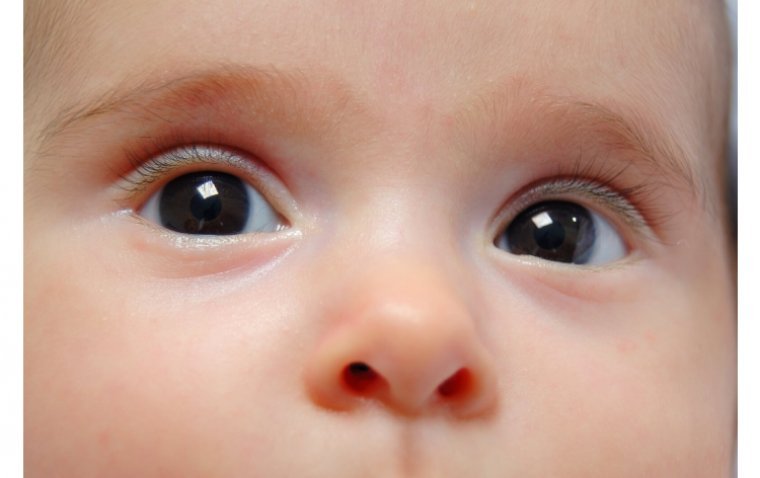
What are Congenital Eye Diseases? (Listed)
Congenital eye diseases are conditions that affect infants and are present at birth. These conditions can lead to vision impairment and blindness if not properly treated. Three of the most common congenital eye diseases are congenital cataracts, congenital glaucoma, and…

Alcon Launches Experience Academy App
Alcon has introduced the Alcon Experience Academy (AEA) app to enhance the digital learning experience of eye care professionals (ECPs). The app enables customers to access AEA’s educational and training resources easily. It is a customizable platform that provides ECPs…
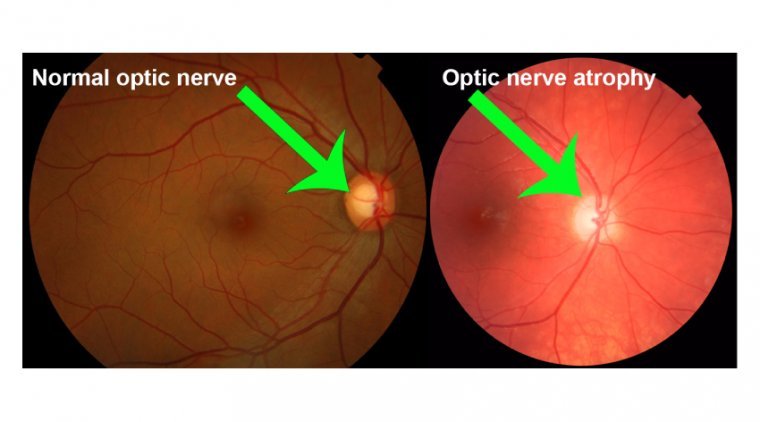
Impaired Vision: What Is Optic Atrophy?
What Is Optic Atrophy? Optic atrophy refers to an end-stage destruction of the retinal ganglion cell axons that comprise the optic nerve causing impairment to the anterior visual pathway (the path from the retina to the lateral geniculate body). On…
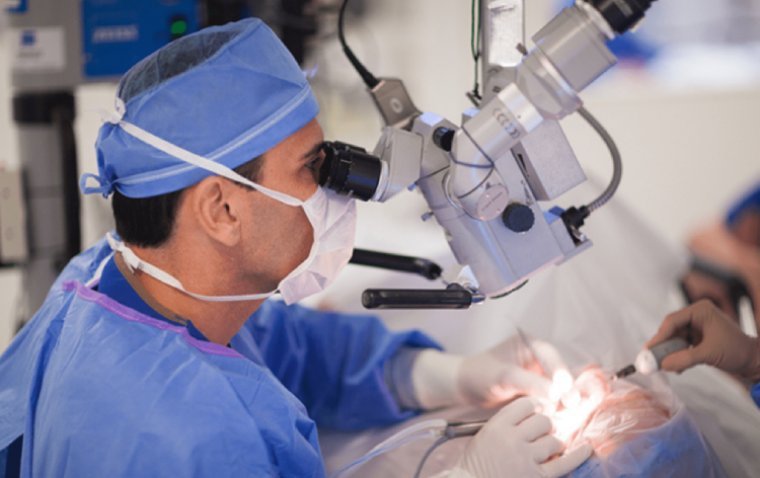
Eurostat: Cataract Surgeries Down by 4% in EU in 2021
The two most common surgical operations and procedures performed in EU hospitals (out of all surgical operations and procedures for which data are collected) are cataract surgery and cesarean sections. In 2021, cataract surgery was the most common surgical operation…
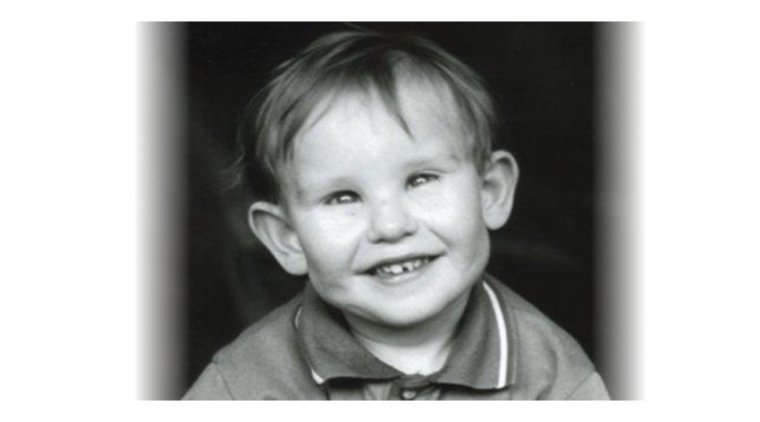
A Rare Disorder: What Is Lowe Syndrome?
Lowe Syndrome, also known as oculocerebrorenal syndrome of Lowe (OCRL), is a rare genetic disorder characterized by the triad of congenital cataracts, mental retardation, and renal tubular dysfunction. The disorder is caused by mutations in the OCRL1 gene, which encodes…
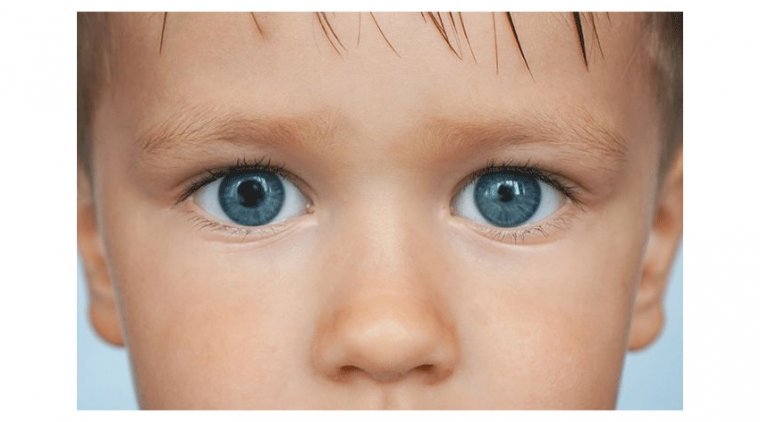
Pupil Size Difference – What Is Anisocoria?
Anisocoria is a medical condition where the pupils of the eyes are unequal in size. While slight variations in pupil size are common and normal, significant differences in pupil size can be an indication of a serious underlying medical condition.…
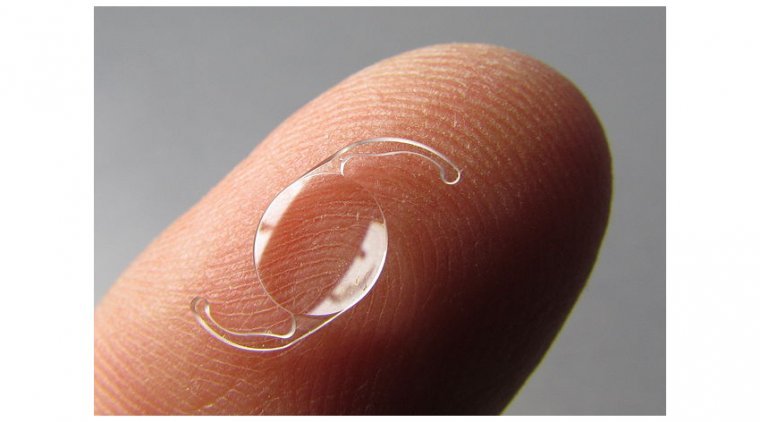
What is Pseudophakia? | OBN
Pseudophakia, is a Latin word, made up of two parts pseudo (fake or artificial) and phakia(lens). It is an incredible visual rehabilitation technique, where an artificial İntraocular lens is introduced into the affected eye after the extraction of a cloudy…

Researchers Unveil Groundbreaking AI System for Eye Care
Researchers from Moorfields Eye Hospital and the UCL Institute of Ophthalmology have achieved a major milestone in artificial intelligence (AI) development. Their groundbreaking AI system, known as RETFound, not only excels in identifying sight-threatening eye diseases but also demonstrates the…