


Newsletter Subscribe
Enter your email address below and subscribe to our newsletter

Enter your email address below and subscribe to our newsletter

According to our recent LinkedIn survey results, 58% of ophthalmologists incorporate alternative or complementary therapies into their treatment plans for ocular diseases. This indicates that many healthcare professionals recognize the importance of a holistic approach to eye health. The Importance…
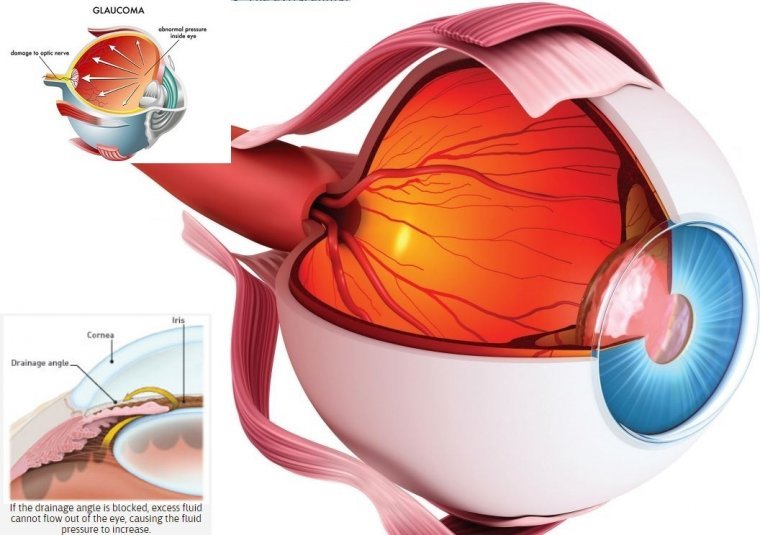
Glaucoma causes include elevated eye pressure (called intraocular pressure or IOP) due to the eye’s inability to drain fluid efficiently. A clear fluid called aqueous humor circulates inside the front portion of our eyes. To maintain a constant healthy eye…

What Is Presbyopia? Presbyopia is a common, age-related vision condition that affects the eye’s ability to focus on near objects. As people age, the lens of the eye becomes less flexible, making it increasingly challenging to adjust focus between objects…
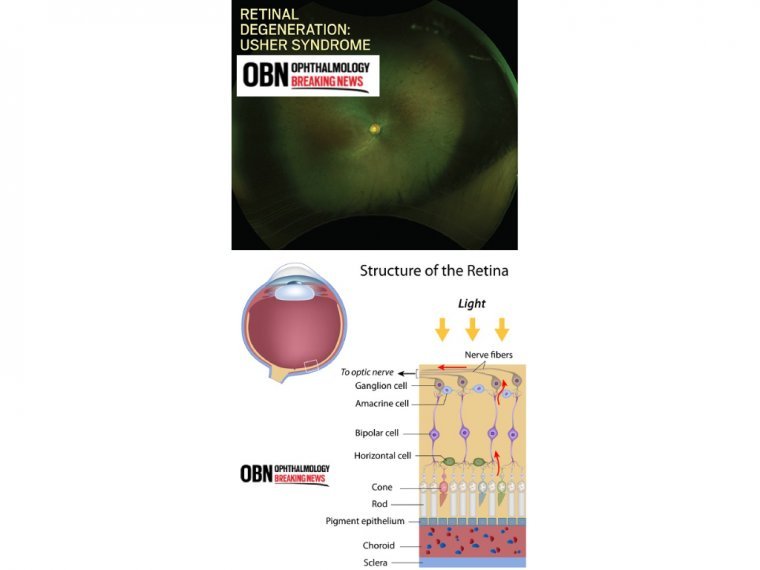
Usher syndrome is the most common condition that affects both hearing and vision; sometimes it also affects balance. The major symptoms of Usher syndrome are deafness or hearing loss and an eye disease called retinitis pigmentosa (RP). Deafness or hearing…
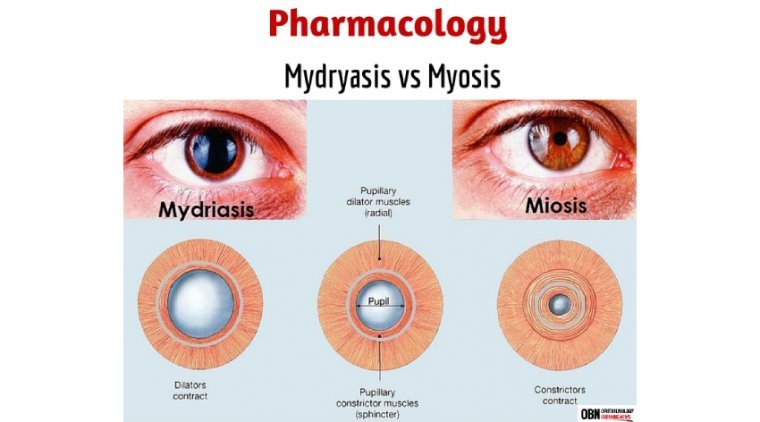
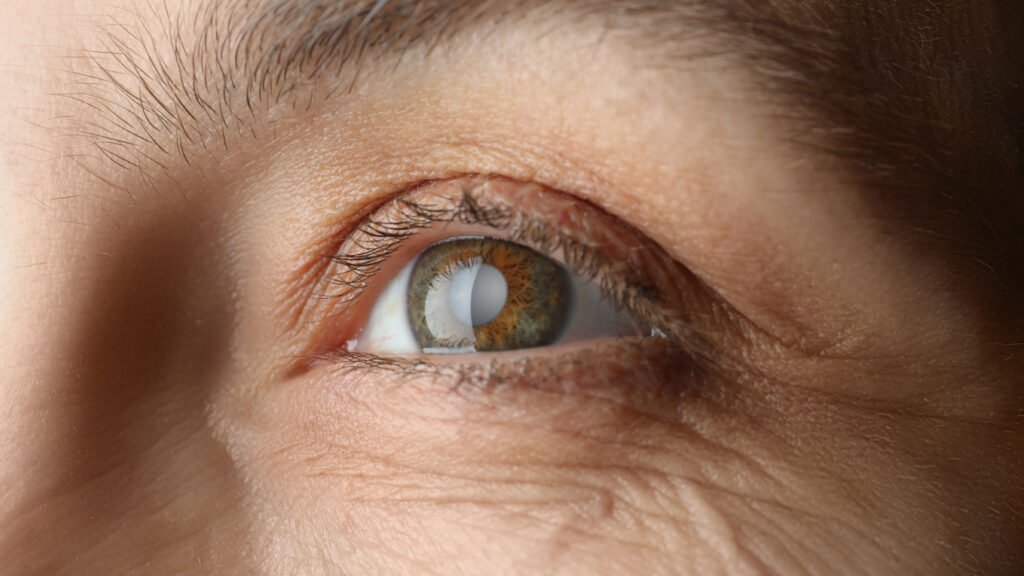
Modern cataract surgery is generally a successful procedure. Recent advancements—which involve the use of pre- and intraoperative pharmacological protocols combined with optimal instrumentation allow for well-tolerated and effective procedures in the vast majority of patients. The maintenance of mydriasis and…
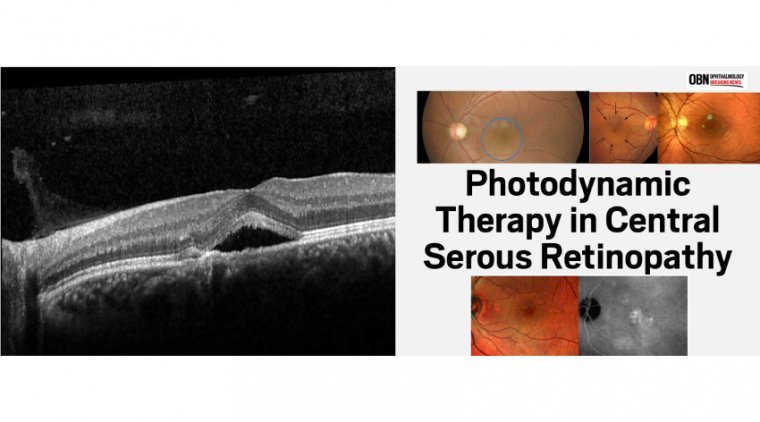
Chronic central serous chorioretinopathy (CSC) is best treated with photodynamic therapy, while a watch and wait approach is a reasonable option for acute disease. CSC is the fourth most common maculopathy after age-related macular degeneration, diabetic macular edema, and retinal…

Charles Bonnet syndrome (CBS) is characterized by the presence of complex visual hallucinations in psychologically healthy but visually impaired people. It has been well described in the adult population but has been less well characterized in children. Charles Bonnet syndrome causes a…
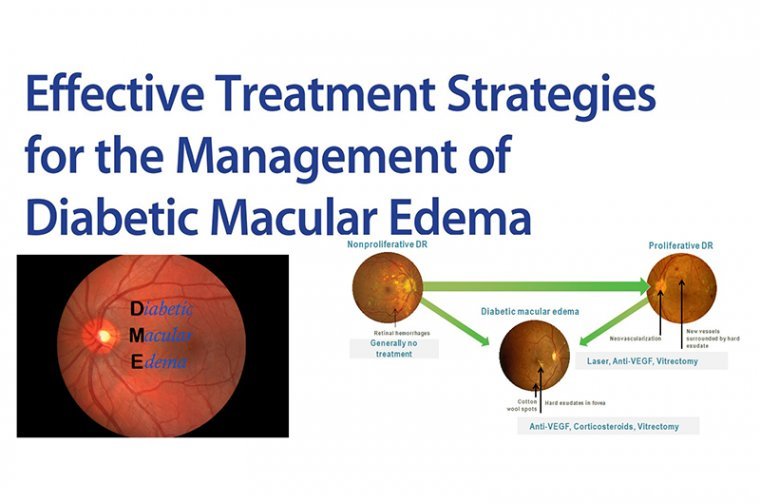
Diabetic macular edema (DME) is the leading cause of blindness in the diabetic population. Although its prevalence varies, the Diabetes Control and Complications Trial (DCCT) reported that 27% of type 1 diabetes (DM1) patients developed macular edema within nine years…
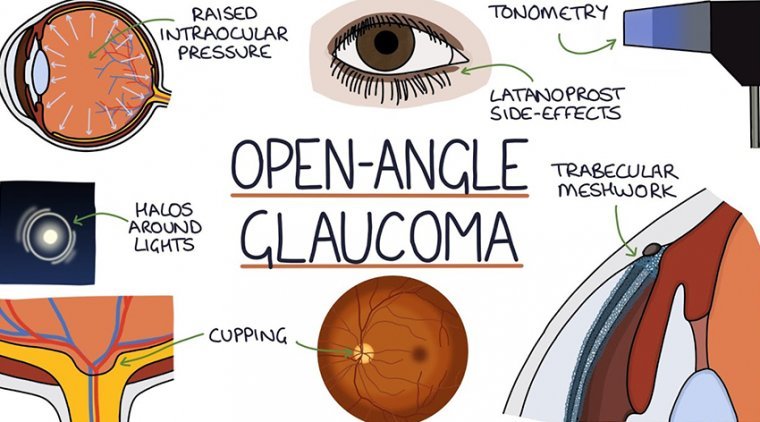
Most people who have open-angle glaucoma feel fine and do not notice a change in their vision at first because the initial loss of vision is of side or peripheral vision, and the visual acuity or sharpness of vision is…
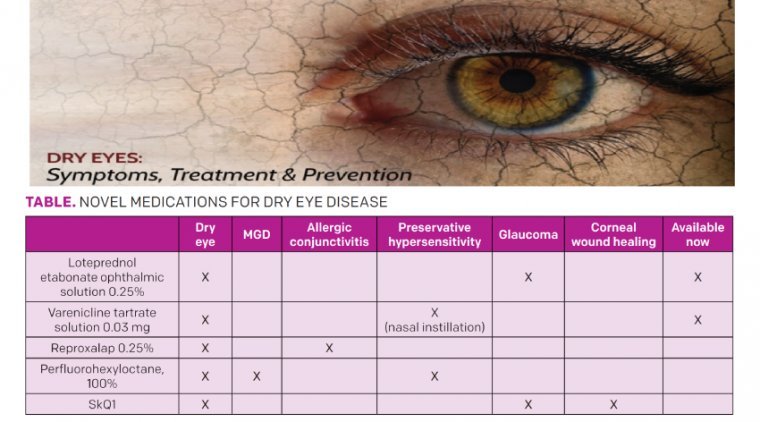
Dry eye disease includes a group of conditions in which the eye does not produce an adequate volume of tears or when the tears are not of the correct consistency. The chance of experiencing dry eye increases with age, affecting approximately…