


Newsletter Subscribe
Enter your email address below and subscribe to our newsletter

Enter your email address below and subscribe to our newsletter


Emerging diagnostic and surgical technologies are enhancing precision, improving efficiency, and shaping the future of patient care in ophthalmology. (Image credit: AdobeStock/Olivier Le Moal)

As ophthalmic technology continues to advance, new diagnostic and surgical devices are redefining precision, efficiency, and patient care. The Eye Care Network caught up with leading innovators in the field to discuss how emerging technologies are influencing everyday practice. The conversation touches upon how device technology has improved diagnostic accuracy, how clinicians evaluate new surgical tools before adoption, the limitations that persist in complex cases, and the potential of wearable and home-monitoring devices to reshape patient management in the years ahead.
Joining the discussion are the following:
The discussion with this husband-and-wife team begins with a look at the diagnostic side of innovation and how advances in device technology are improving accuracy and efficiency in clinical decision-making.

(Courtesy of Stephen D. Klyce, PhD, FARVO)

Klyce: One of the greatest limitations of diagnostics in ophthalmology remains in the costs of instrumentation. This continues to limit care in underserved areas of the world while funds to transport patients to care centers or support mobile units to remote areas remain a challenge.
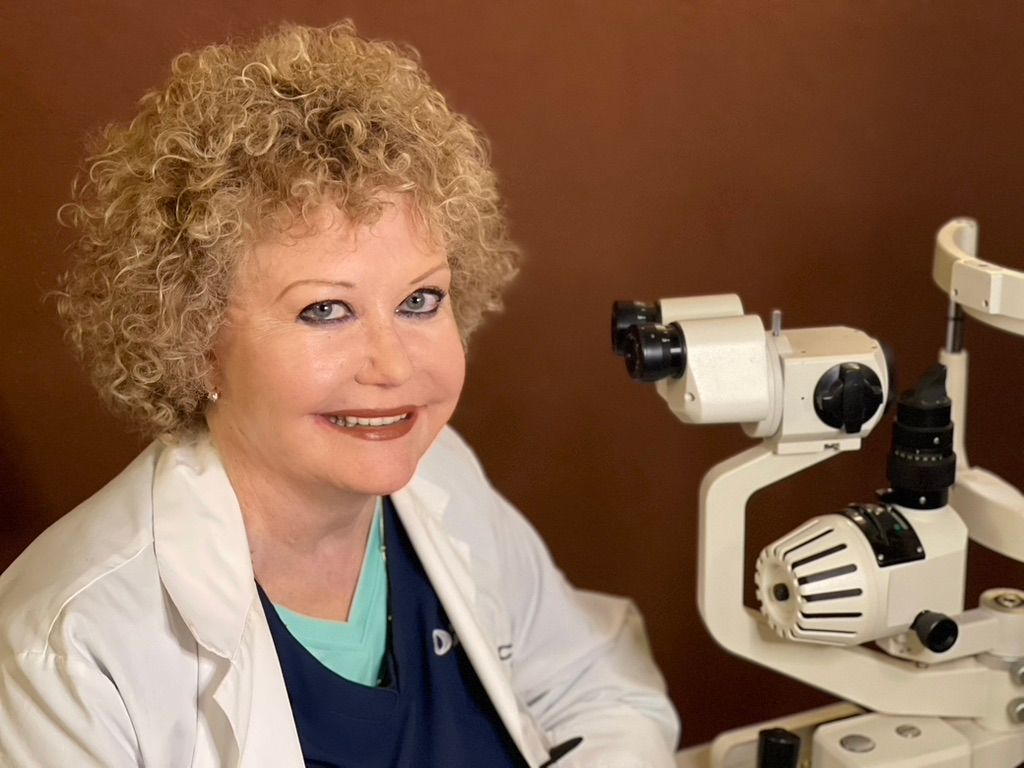
(Courtesy of Marguerite B. McDonald, FACS)
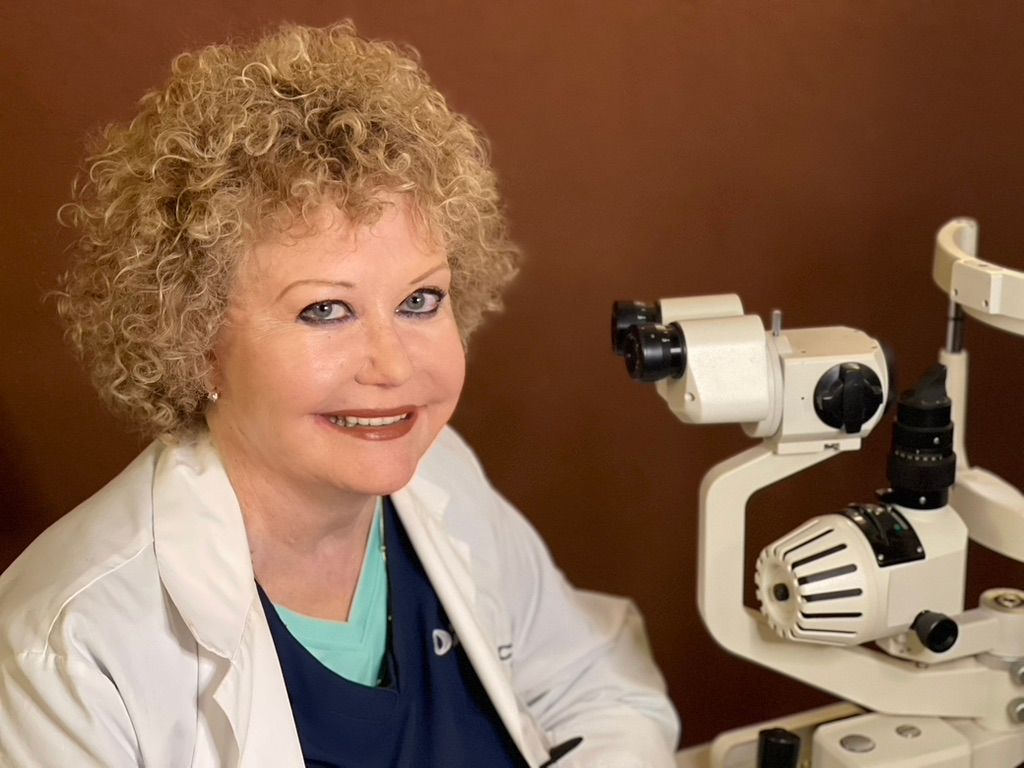
McDonald: The iTrace from Tracey Technologies can tell the surgeon if the decreased vision is due to corneal or surface issues, or internal issues (cataract, vitreous opacities, etc) by capturing wavefront and topography maps and analyzing them for the surgeon. It also has a great system for diagnosis dry eye by means of tear film exams and following response to the treatment.
McDonald: I demonstrate them at the exhibit hall of an ophthalmology meeting, read articles and reviews, and talk to users about their experiences.
McDonald: We still cannot predict the patient’s individual postoperative healing response, which is important in corneal procedures (PKP, PRK, lamellar keratectomy, etc).
Klyce: With the need for extending diagnostics to underserved regions as noted above, advances in technology and the potential for widespread economic access to the internet cloud via satellite provide an avenue for personal remote diagnostics. This is an emerging potential in ophthalmology, one that has been challenging innovation for decades.
Usability, accuracy, reliability, affordability, and profitability (for industry) are major roadblocks to widespread implementation. The incredible pace of development of microelectronics, photonics, quantum computing, and artificial intelligence offer promise beyond imagination—now. But as our hero, Yogi Berra, once said: “The future lies ahead.”
McDonald: I think they will become more important in monitoring patients with glaucoma and following patients with age-related macular degeneration as well.
Source: www.ophthalmologytimes.com
Author: | Date: 2025-10-30 18:00:00