



Newsletter Subscribe
Enter your email address below and subscribe to our newsletter

Enter your email address below and subscribe to our newsletter


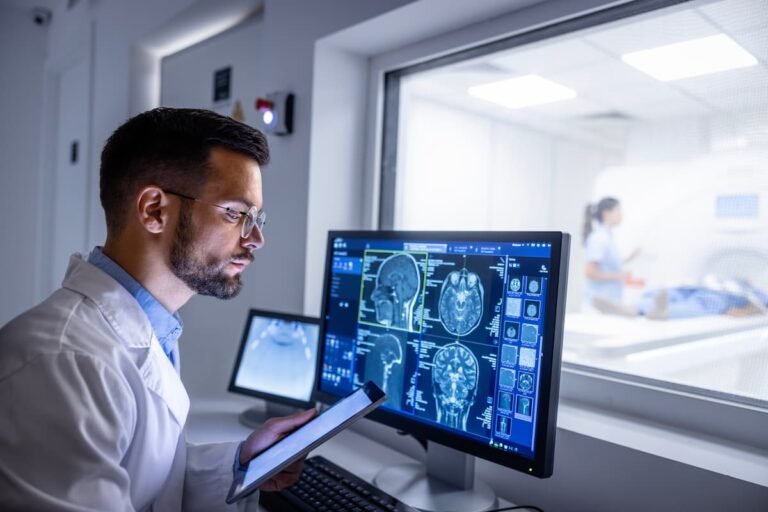
The 2nd International Glaucoma Symposium underscores how AI and advanced imaging are becoming integral to modern glaucoma diagnosis and management. (Image credit: AdobeStock/OngCaLucK)

The
The Eye Care Network caught up with Schulz to discuss the symposium’s educational goals, program structure, and what attendees can expect to take back to their clinics.
Note: Transcript edited for clarity and length.
Schulz: When shaping the International Glaucoma Symposium 2026 agenda, we intentionally built a balanced program that reflects both core clinical practice and the rapid evolution of technology in optic neuropathies care. The day is structured around 3 linked thematic pillars:
This format ensures that established clinical foundations—like optic neuropathy assessment and surgical decision‑making—are firmly anchored, while also integrating state‑of‑the‑art innovations such as AI applications for normative database collection, progression detection, and workflow optimization.
The guiding principles were clinical relevance, evidence‑based insight, and future readiness. Every session was selected to deliver practical value to clinicians today (eg, identifying fast progressors, surgical toolboxes, MIGS approaches), while also inspiring attendees to thoughtfully engage with emerging tools like AI and advanced imaging workflows.
Schulz: The International Glaucoma Symposium was created to answer a clear need in education and collaboration: clinicians worldwide require a forum that bridges practical clinical decision‑making with frontier research and emerging techniques in glaucoma and optic neuropathies. Its inaugural edition in 2025 underscored this mission by focusing on the role of AI in improving detection and care pathways.
Unlike broader ophthalmology conferences, the symposium was designed to be specifically clinical‑practice driven— bringing together ophthalmologists, surgeons, and imaging experts to explore how advances in technology (especially in AI and imaging) can be translated into better patient outcomes and more confident clinical decisions. It fills the gap between high‑level research presentations and everyday clinical application, creating a bridge that empowers clinicians to innovate while maintaining strong evidence‑based care.
Schulz: That focus was central to our planning. From the opening session on practical diagnostics to dedicated talks on identifying fast progressors and interpreting imaging in optic neuropathies, the agenda is rich with everyday clinical decision points. Sessions like “Early Glaucoma – A Comprehensive Clinical Guide” and “Glaucoma Progression – Identifying Fast Progressors” are deliberately aimed at enhancing clinicians’ abilities to make accurate, timely decisions in routine care.
Likewise, the surgical block—including “Toolbox for Glaucoma Surgery,” “Trabeculectomy Revisited,” and “MIGS and other modern procedures”— was curated to address the practical realities and trade‑offs surgeons face, not just high‑theory discussions.
The goal was to ensure attendees can return to their practices with actionable approaches, clearer thresholds for intervention, and improved confidence in integrating new tools and techniques—all grounded in everyday clinical relevance.
Schulz: AI appears repeatedly across the scientific program—from sessions on normative database collection and unsupervised learning to detecting fast progressors with AI.
Our hope is that clinicians walk away with a practical, grounded understanding of where AI fits into current clinical workflows—not as a futuristic concept, but as a real support tool for diagnosis, risk stratification, and monitoring. By combining scientific depth (eg, statistical vs AI change detection) with clinical applicability (AI tools supporting real‑time decisions), we want clinicians to evaluate, try, and integrate AI where it enhances care, while maintaining clinical judgment and patient safety at the center.
These sessions are designed to help demystify AI, highlight real‑world successes and limitations, and encourage thoughtful adoption now, rather than relegating these technologies to a distant future.
When attendees leave Mainz, I hope 3 key takeaways resonate most:
Ultimately, we want attendees to feel empowered, inspired, and connected to the broader glaucoma care community—equipped with both practical insights and a forward‑looking view of the field’s trajectory.
Source: www.ophthalmologytimes.com
Author: | Date: 2026-01-30 15:25:00