


Prolonged digital device use increases risk of headaches, eye pain, and fatigue in children | Ophthalmology Times
Share your love
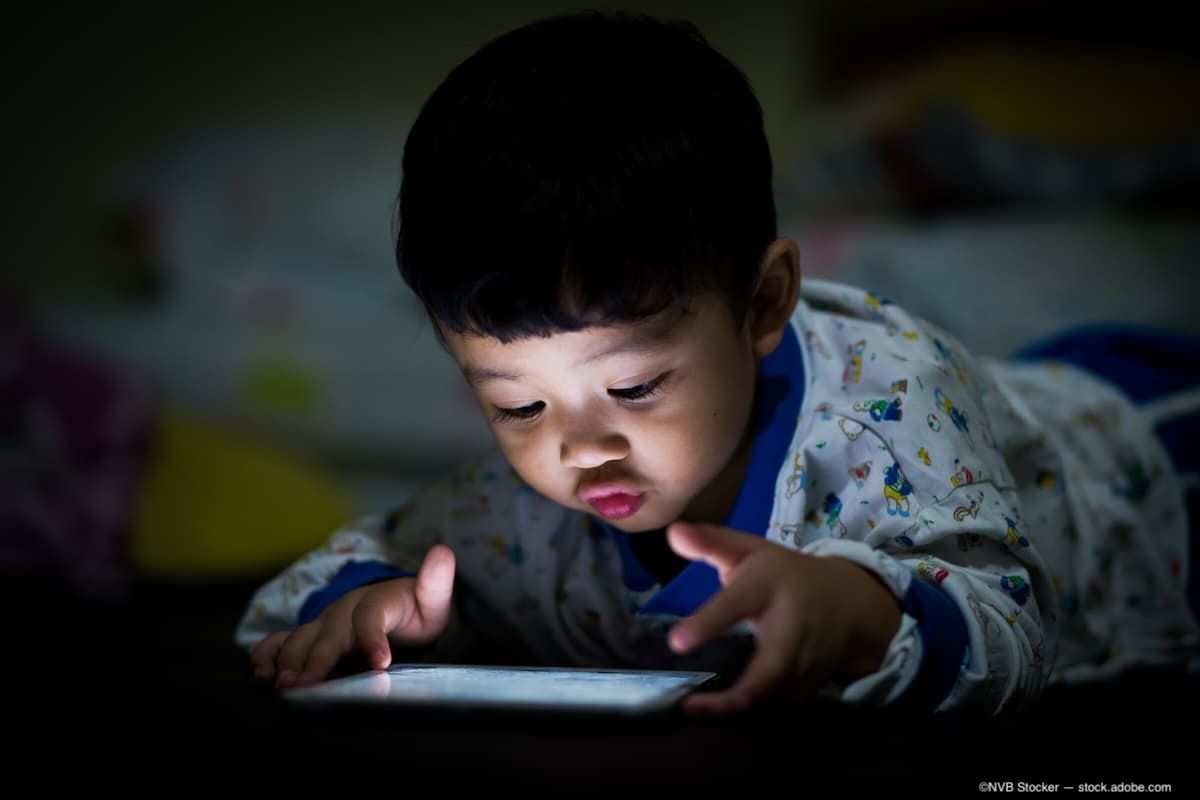
(Image Credit: AdobeStock/NVB Stocker)
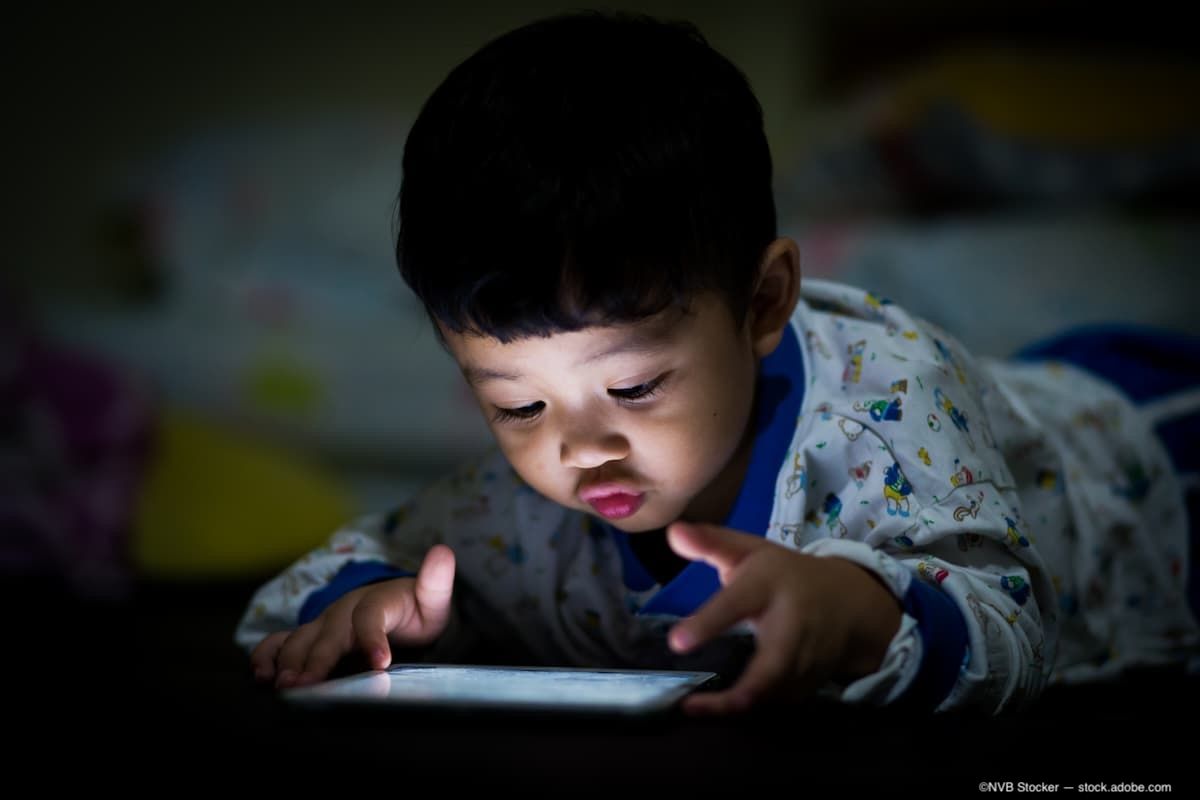
A recent analysis examining the effects of screen time on the pediatric population has found that excessive use of digital devices can lead to both short- and long-term negative health outcomes. The analysis drew on a comprehensive review of peer-reviewed literature published between 2017 and 2025, focusing on studies investigating the relationship between screen time and health issues in children and adolescents.
Results indicated that prolonged daily use of digital display devices is a significant risk factor for a range of ocular and systemic symptoms. Children using devices for more than three hours daily experienced a higher incidence of headaches, while daily use exceeding four hours was associated with increased eye pain, foreign body sensation, and tearing. Eye fatigue and redness were particularly prevalent among children who spent more than five hours per day on digital devices.
Smartphone use posed an elevated risk compared to other devices. In one study of 479 children (mean age 6.7 years), the majority reported common symptoms of digital eye strain. High prevalence was noted for self-reported headaches or eye pain (78.3%), unhabitual blinking (73%), blurred vision (74%), and foreign body sensation or itching (64.5%). Prolonged exposure to mobile screens—defined as 2–3 hours or 4+ hours daily—was directly correlated with a significantly higher incidence of dry eye disease (DED) compared with shorter screen time durations.
Long-term effects included accelerated myopic progression, with computer use showing a particularly pronounced impact. In a study of 523 children aged 6–14 years, spherical equivalent refractive error progressed significantly over a 24-month period, increasing from -0.93 ± 0.52 diopters at six months to -1.32 ± 0.65 diopters at 24 months. Children using smartphones for more than four hours daily exhibited a mean annual myopic progression of 0.66 ± 0.27 diopters. Notably, even a modest increase of one hour in daily screen time was associated with a 21% higher likelihood of developing myopia.
Beyond ocular effects, screen time was linked to metabolic, sleep, and behavioral concerns. Children with three or more hours of daily screen exposure showed a higher risk of overweight, obesity, and metabolic disorders, with obesity risk 1.37 times higher than peers with lower screen time. Among children averaging more than eight hours of daily screen use, 62.2% were identified as poor sleepers. Those with three or more hours of daily screen time also demonstrated higher prevalence of emotional and behavioral issues, peer relationship difficulties, and increased rates of anxiety and depressive disorders.
The investigators emphasized the urgent need for public health interventions and educational strategies to mitigate these negative effects and promote healthier lifestyles in children and adolescents.
References:
-
Piszka M, Kwapien E, Brasse P, et al. (November 16, 2025) The Impact of Screen Time on the Health of the Pediatric Population: Short- and Long-Term Consequences for Lifestyle, Ophthalmology, and Mental Health. Cureus 17(11): e96944. doi:10.7759/cureus.96944
Source: www.ophthalmologytimes.com
Author: | Date: 2025-11-19 11:00:00