



Newsletter Subscribe
Enter your email address below and subscribe to our newsletter

Enter your email address below and subscribe to our newsletter
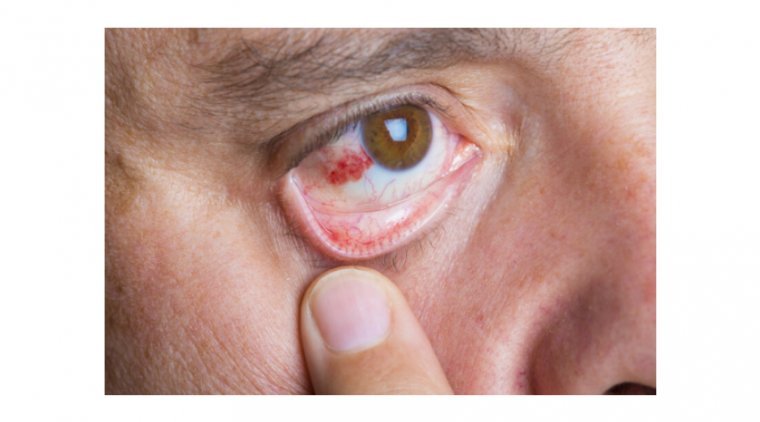
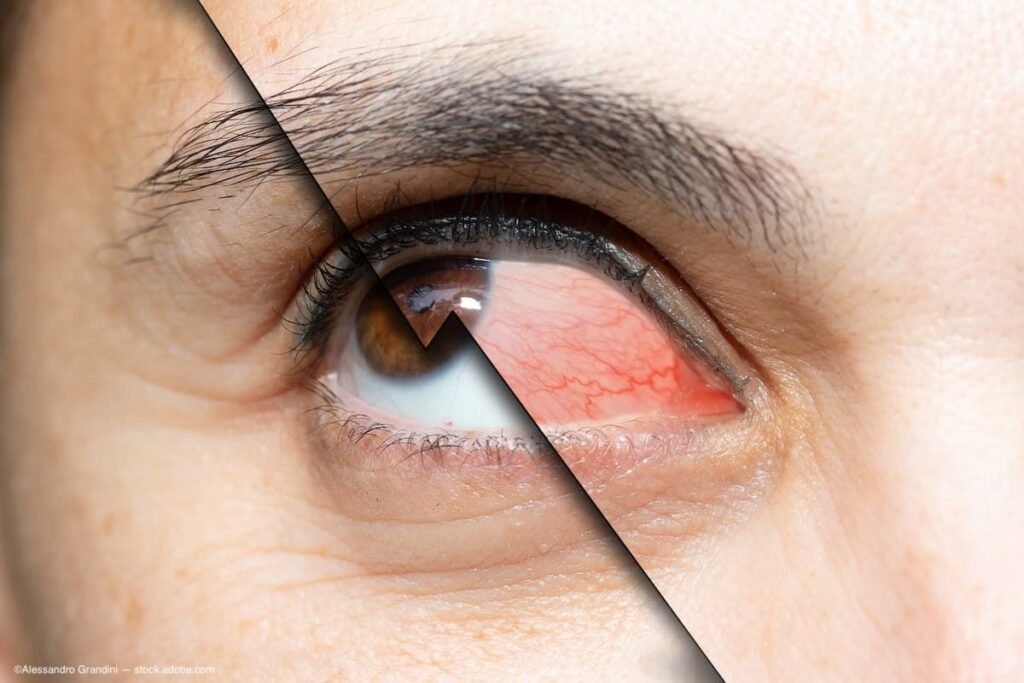
What Is Scleritis? Scleritis is a rare and potentially serious inflammatory eye condition that affects the sclera, the white part of the eye. It is usually accompanied by severe eye pain and can cause vision loss if left untreated. There…
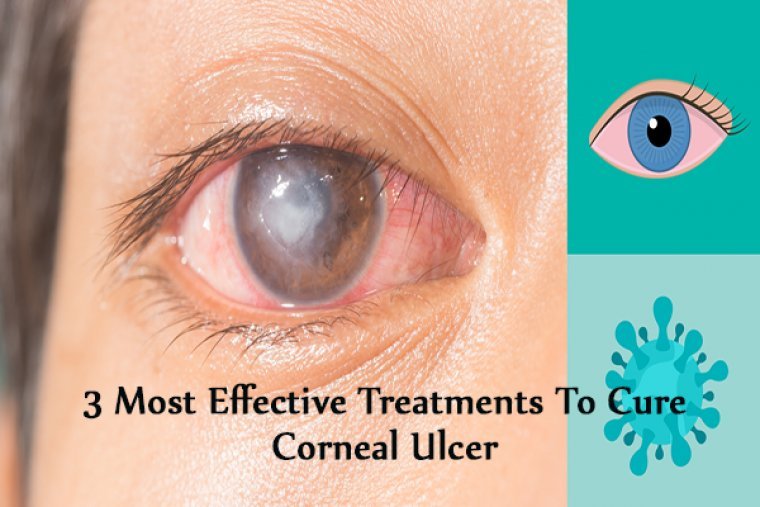
Corneal ulcers may be caused by infections with bacteria, fungi, viruses, or parasites such as Acanthamoeba (which lives in contaminated water). Ulcers may begin with a corneal injury, such as with severe dry eyes, if a foreign object scratches, penetrates,…
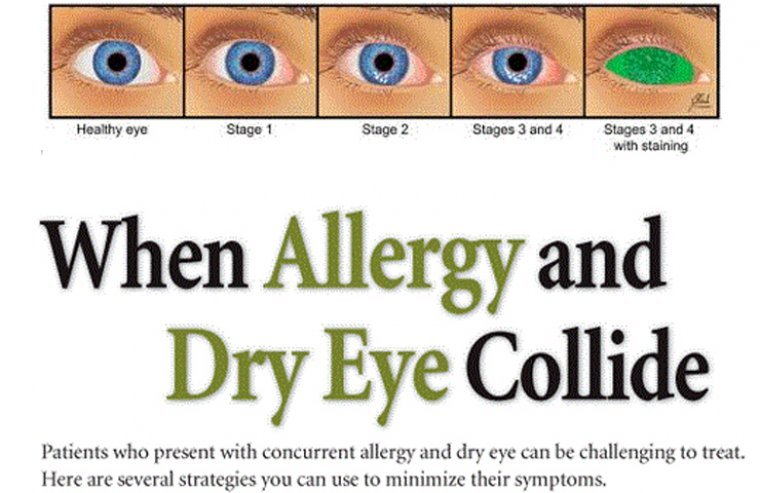
Ocular allergy is a common clinical disorder that includes dry eye syndrome in its differential diagnosis. While ocular allergy treatments have continued to evolve since the early 1990s when the new prescription topical agents became available, there have been no…
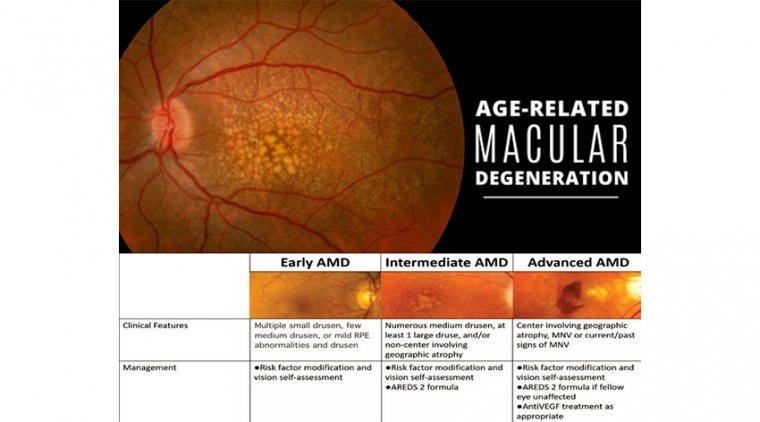
Age-related macular degeneration (AMD) is diagnosed by a comprehensive eye exam and other testing. There are three general stages of AMD, partly based on the size and amount of drusen found under the retina on examination. Early AMD In early…
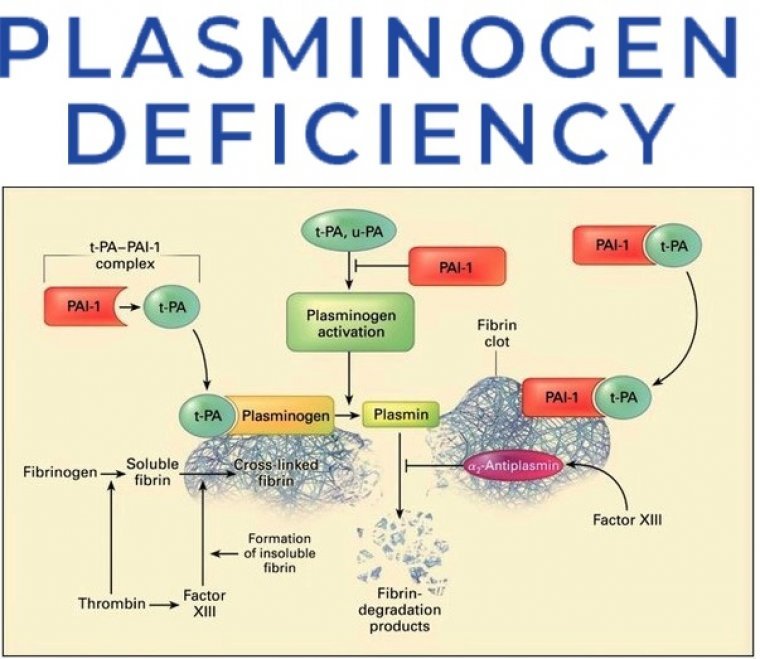
Two types of plasminogen deficiency are described in the medical literature. Congenital type 1 plasminogen deficiency is a quantitative disorder with parallel reductions in both the level of immunoreactive and functional plasminogen; type1 plasminogen deficiency is also called hypoplasminogenemia, and…
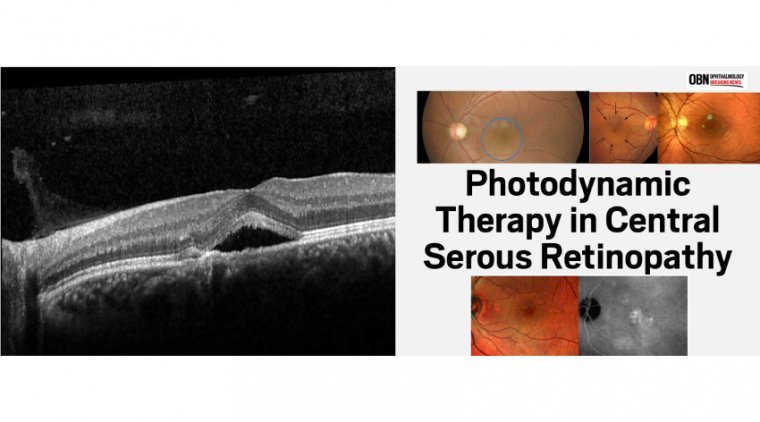
Chronic central serous chorioretinopathy (CSC) is best treated with photodynamic therapy, while a watch and wait approach is a reasonable option for acute disease. CSC is the fourth most common maculopathy after age-related macular degeneration, diabetic macular edema, and retinal…
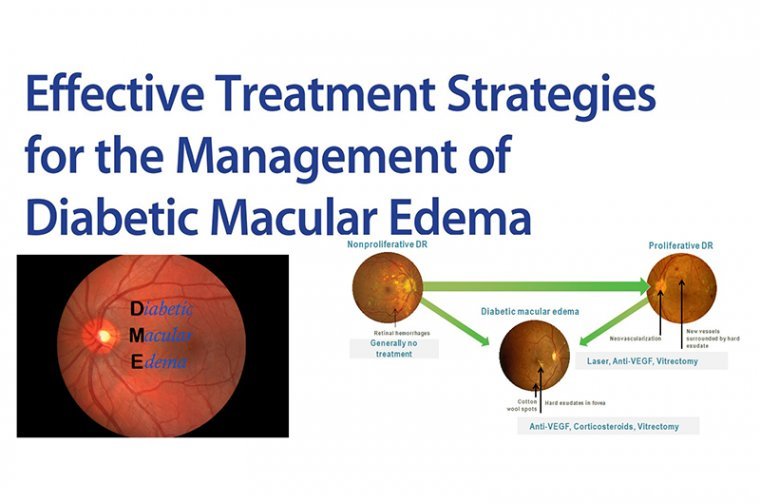
Diabetic macular edema (DME) is the leading cause of blindness in the diabetic population. Although its prevalence varies, the Diabetes Control and Complications Trial (DCCT) reported that 27% of type 1 diabetes (DM1) patients developed macular edema within nine years…
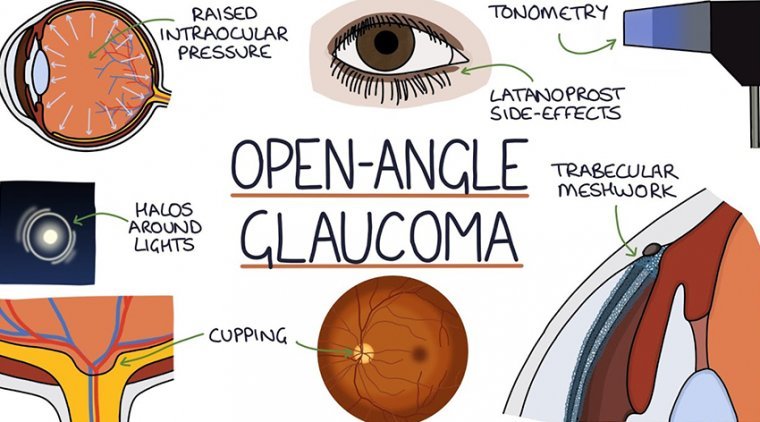
Most people who have open-angle glaucoma feel fine and do not notice a change in their vision at first because the initial loss of vision is of side or peripheral vision, and the visual acuity or sharpness of vision is…
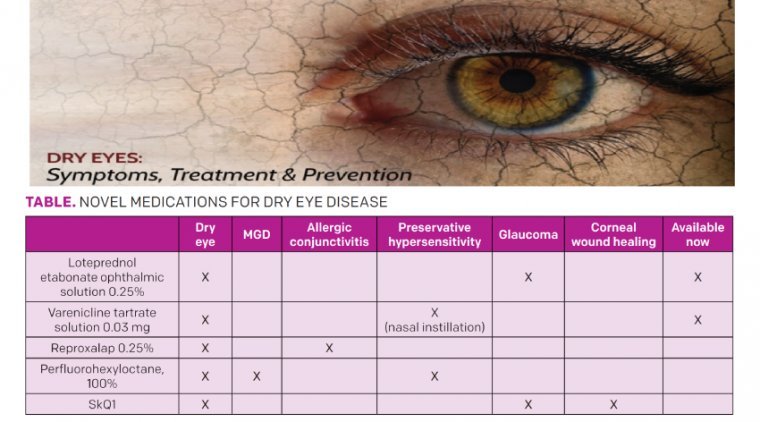
Dry eye disease includes a group of conditions in which the eye does not produce an adequate volume of tears or when the tears are not of the correct consistency. The chance of experiencing dry eye increases with age, affecting approximately…
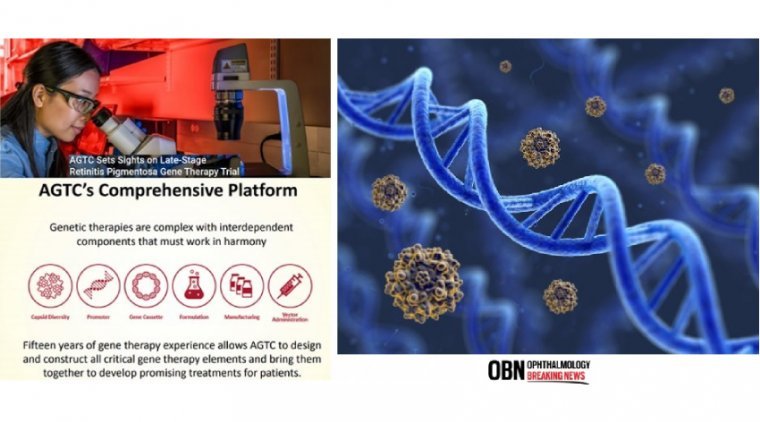
Inherited retinal diseases (IRDs), also referred to as inherited retinal dystrophies, are a clinically and genetically heterogeneous group of neurodegenerative disorders, primarily involving photoreceptors, retinal pigment epithelium (RPE), and/or the choroid. Taken as a whole, IRDs have an estimated global…