


Newsletter Subscribe
Enter your email address below and subscribe to our newsletter

Enter your email address below and subscribe to our newsletter

What Is Double Vision Disorder? Double vision, also known as diplopia, is a condition where a person sees two images of an object. This can occur when the eyes are not aligned correctly or when there is a problem with…
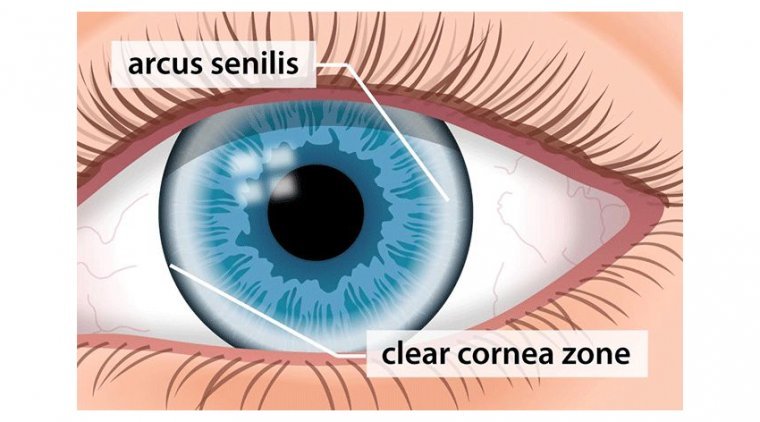
Arcus senilis (corneal arcus) is a medical condition that affects the cornea of the eye, causing it to develop a grayish or white ring around the iris. This ring can obstruct vision, cause glare or halos around lights, and affect…

Corneal ulcers may be caused by infections with bacteria, fungi, viruses, or parasites such as Acanthamoeba (which lives in contaminated water). Ulcers may begin with a corneal injury, such as with severe dry eyes, if a foreign object scratches, penetrates,…

The iridocorneal endothelial (ICE) syndrome is a developmental disorder of the eye characterized by acquired nontraumatic corneal edema, progressive abnormalities of the iris, and elevated intraocular pressure. Three subcategories of ICE syndrome are commonly recognized: essential iris atrophy, the iris…

Keratoconus is a bilateral, noninflammatory, and often asymmetric condition that leads to progressive thinning and steepening of the cornea. This corneal irregularity may lead to blurry and distorted vision. Although the exact cause of keratoconus remains unknown, it is thought…
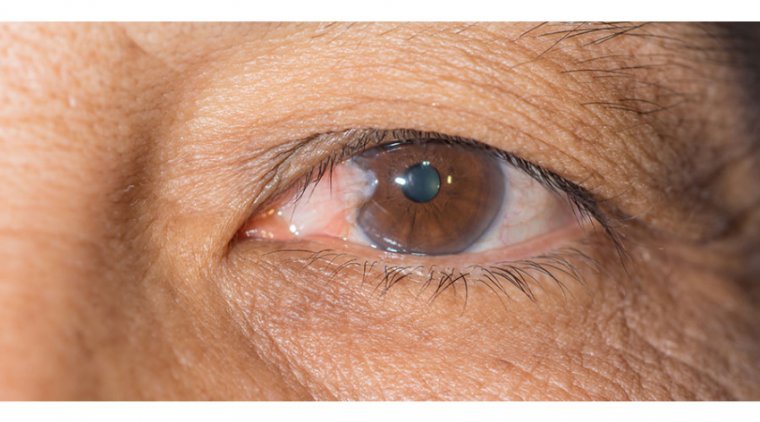
What Is Surfer’s Eye? Pterygium is characterized by a thickening of the conjunctiva tissue that takes on a wing-like or triangular shape and grows from the inner corners of the eye, often extending onto the cornea. Pterygium can either affect…
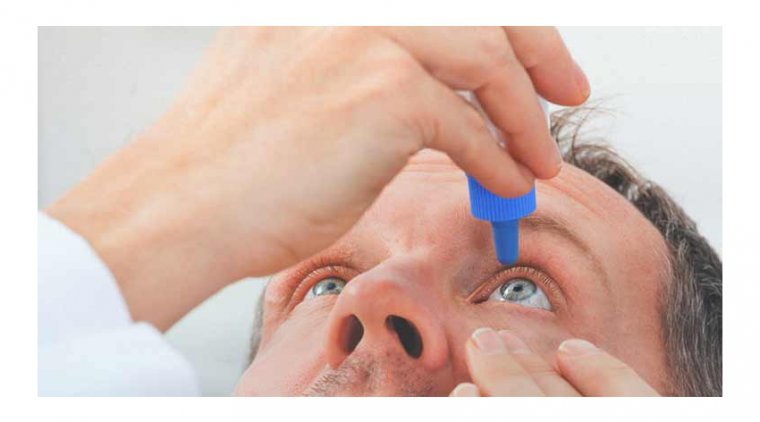
Durysta (bimatoprost and chloramphenicol) is a prescription medication produced by Allergan that is used to lower intraocular pressure (IOP) in people with open-angle glaucoma or ocular hypertension (high pressure in the eye). It is a combination of two medications: bimatoprost,…
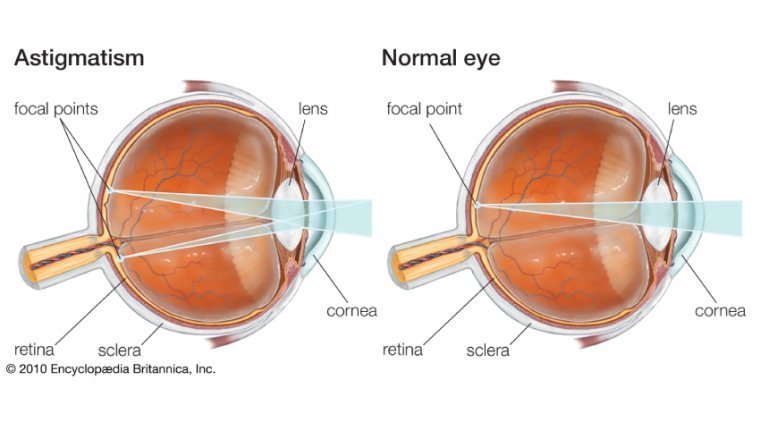
What Is Astigmatism? Astigmatism is a common refractive error that causes distorted or blurred vision due to the irregular curvature of the cornea or lens in the eye. The cornea, the transparent front part of the eye, and the lens,…

What Is Presbyopia? Presbyopia is a common, age-related vision condition that affects the eye’s ability to focus on near objects. As people age, the lens of the eye becomes less flexible, making it increasingly challenging to adjust focus between objects…
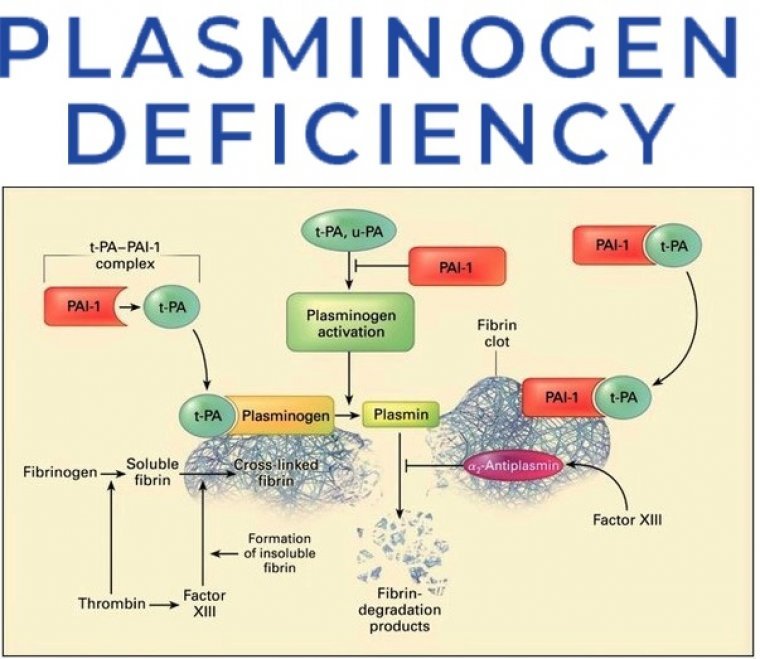
Two types of plasminogen deficiency are described in the medical literature. Congenital type 1 plasminogen deficiency is a quantitative disorder with parallel reductions in both the level of immunoreactive and functional plasminogen; type1 plasminogen deficiency is also called hypoplasminogenemia, and…