



Newsletter Subscribe
Enter your email address below and subscribe to our newsletter

Enter your email address below and subscribe to our newsletter

Editor’s Note: This content was generated with the assistance of AI. From first-in-class pharmacologic therapies to next-generation retinal durability strategies and less invasive surgical platforms, 2025 emerged as a pivotal year for the ophthalmic pipeline. Over the past 12 months,…

(Image Credit: AdobeStock/Wirestock) A recent Ophthalmology Times Case-Based Roundtable addressed the pathway to achieving optimized visual outcomes using an advanced small-aperture IOL (IC-8 Apthera; Bausch + Lomb Surgical). Mark Lobanoff, MD, an ophthalmologist in St Louis Park, Minnesota, shared the highlights…
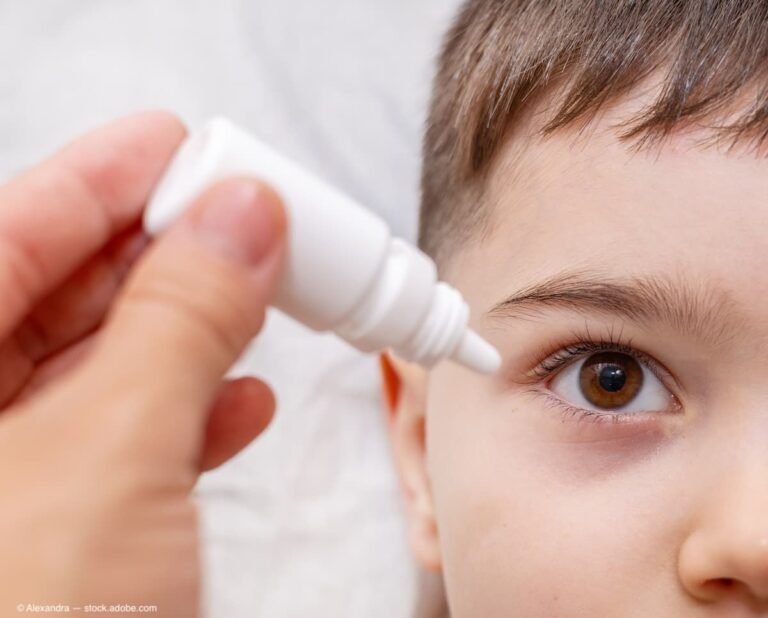
(Image Credit: AdobeStock) A comparison of 2 cycloplegic agents, atropine and cyclopentolate, in preschool children for cycloplegia found that atropine was associated with less myopic refraction compared with cyclopentolate and may potentially avoid the overestimation of premyopia prevalence,1 reported first…

A new epidemiology study published in the British Journal of Ophthalmology reported that the prevalence rates and severity of myopia have seen major increases between generations because of increased axial elongation in the children. The investigators, led by first author…
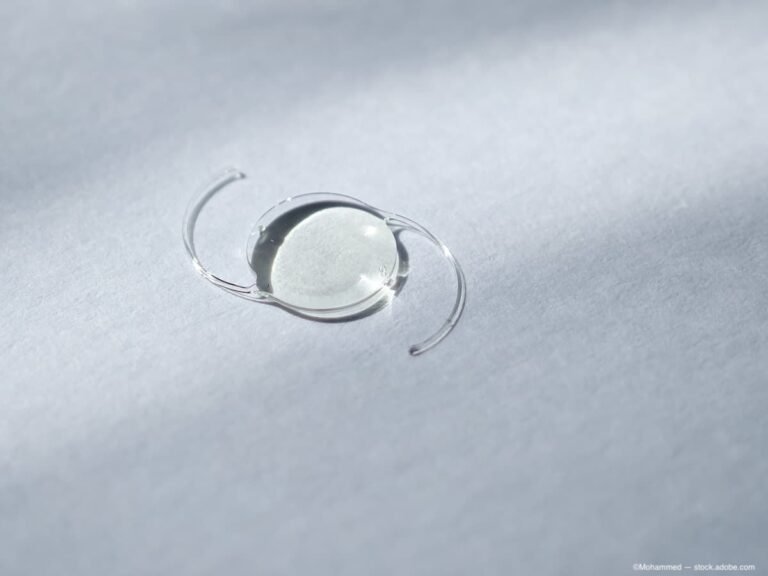
(Image Credit: AdobeStock/Mohammed) Cataract surgery in patients who have previously undergone refractive procedures, such as LASIK or radial keratotomy (RK), presents unique challenges, noted Steven J. Dell, MD, medical director of Dell Laser Consultants in Austin, Texas, during an Ophthalmology…

Lenz Therapeutics announced positive topline results from its Phase 3 CLARITY study, evaluating two investigational formulations, LNZ100 and LNZ101, aimed at treating presbyopia. The study’s findings showcase the effectiveness and safety of these formulations, particularly highlighting LNZ100 (1.75% aceclidine) for…

Neurolens announced the findings of a research study aimed at evaluating the efficacy of its prescription lenses for individuals suffering from headaches. Conducted across 10 optometry practices involving 195 patients, this company-sponsored study utilized the six-item Headache Impact Test (HIT-6)…

Vision is a critical aspect of our daily lives, enabling us to navigate our environment, engage in activities, and enjoy the beauty of the world around us. However, our eyesight can change over time, often gradually enough that we might…
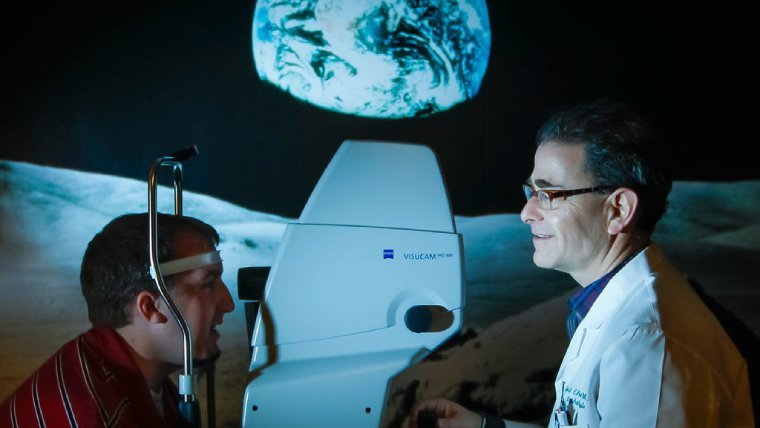
In this article, we explore five significant milestones in the history of ophthalmology that have shaped the way we approach eye health and treatment. The ancient Egyptians, known for their advanced civilization and remarkable contributions to various fields, including medicine,…
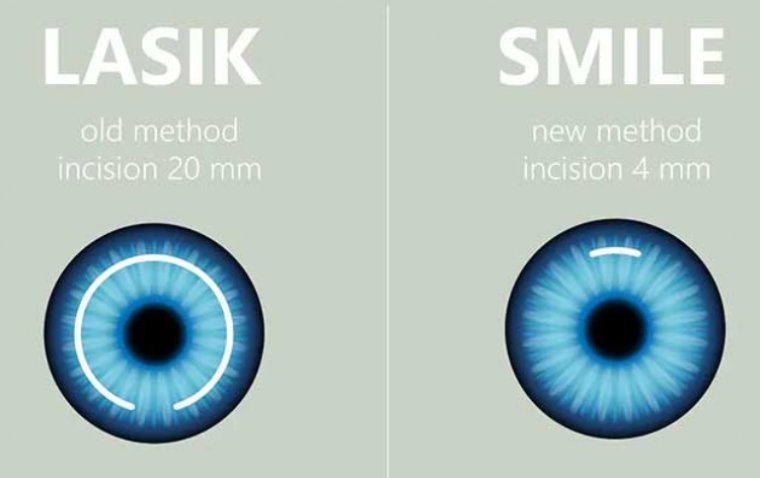
In the realm of refractive surgery, individuals seeking visual freedom are presented with a plethora of options. Two prominent procedures, SMILE (Small Incision Lenticule Extraction) and LASIK (Laser-Assisted In Situ Keratomileusis), have emerged as front-runners, each with its unique benefits…