



Newsletter Subscribe
Enter your email address below and subscribe to our newsletter

Enter your email address below and subscribe to our newsletter

In this latest episode of “iOpeners” from Ophthalmology Times, host Nicole Bajic, MD, comprehensive ophthalmologist at the Cole Eye Institute, Cleveland Clinic, sits down with Joseph Coney, MD, a vitreoretinal surgeon at Retina Associates of Cleveland. Coney also serves on…

Margaret A. Chang, MD, MS, presented updates from the HELIOS Phase 1 trial of OTX-TKI, a sustained-release formulation of the tyrosine kinase inhibitor, axitinib, for the treatment of diabetic retinopathy (DR), at the American Academy of Ophthalmology 2025 annual meeting,…

In celebration of Ophthalmology Times’ 50th anniversary, leaders in ophthalmology revisit a memorable “throwback” case from earlier in their careers. In this special series, they reflect on how evolving knowledge, techniques, and technologies have transformed the way such cases are managed…

(Image Credit: AdobeStock/Sherry Young) A new study in the International Journal of Retina and Vitreous reported that use of systemic chemotherapy as a mainstay of treatment for retinoblastoma results in significant decreases in mortality and morbidity. Adding targeted chemotherapy reduced…
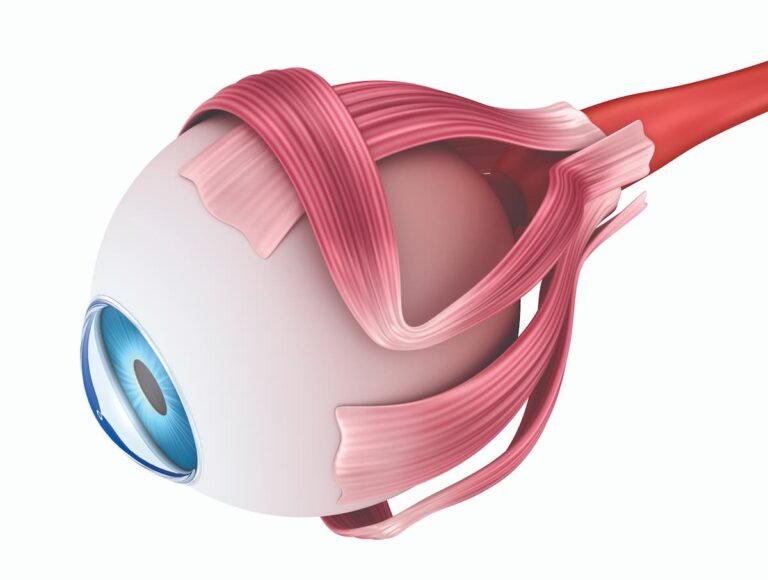
(Image Credit: AdobeStock) Presbyopia-correcting eye drops share a common mechanism: They are miotic agents designed to create a smaller pupil. The power of the pupil to extend depth of focus is impressive, as observed in patients with smaller pupils who…
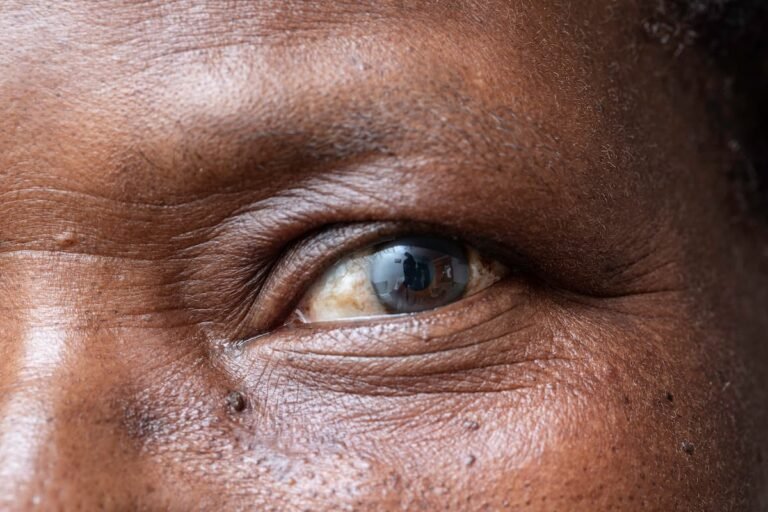
(Image Credit: Adobestock/Alessandro Grandini) Researchers from New York Eye and Ear Infirmary of Mount Sinai, New York, reported that subretinal drusenoid deposits (SDDs) in patients with age-related macular degeneration (AMD) who are Black or Hispanic may indicate that they are…

Stephen Tsang, MD, PhD, professor at Columbia University and attending physician at NewYork-Presbyterian Hospital, shared encouraging early findings on the use of optogenetic therapy for patients with retinitis pigmentosa and Stargardt disease. According to Tsang, a single optogenetic treatment has…

In celebration of Ophthalmology Times’ 50th anniversary, we invited leaders in ophthalmology to revisit a memorable “throwback” case from earlier in their careers. In this special series, they reflect on how evolving knowledge, techniques, and technologies have transformed the way…
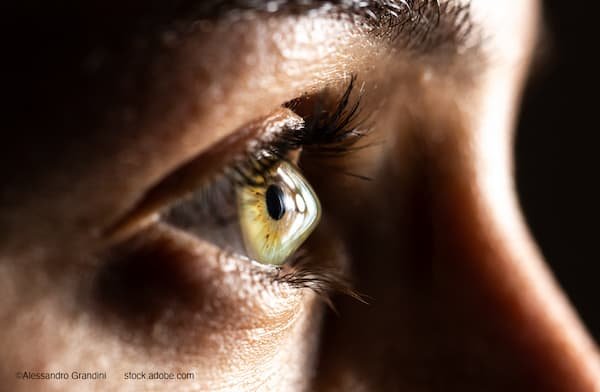
A novel topical, incision-free therapy is now approved to help ophthalmologists slow or halt the progression of keratoconus. (Image credit: AdobeStock/Alessandro Grandini) Glaukos recently received FDA approval for its topical, incision-free therapy for keratoconus (Epioxa) that does not require removal…

(Image Credit: AdobeStock) The intracanalicular dexamethasone ophthalmic insert (Dextenza; Ocular Therapeutix) incorporates 0.4 mg of dexamethasone into the hydrogel matrix to treat postoperative inflammation and pain following ocular surgery. It is also approved for the treatment of ocular itching associated…