



Newsletter Subscribe
Enter your email address below and subscribe to our newsletter

Enter your email address below and subscribe to our newsletter
Glaukos Corporation’s iDose TR, using Celanese’s VitalDose EVA (Ethylene Vinyl Acetate), to provide sustained drug release for the treatment of glaucoma has officially entered the commercial market. Having received FDA approval in December, iDose TR represents a notable departure from…
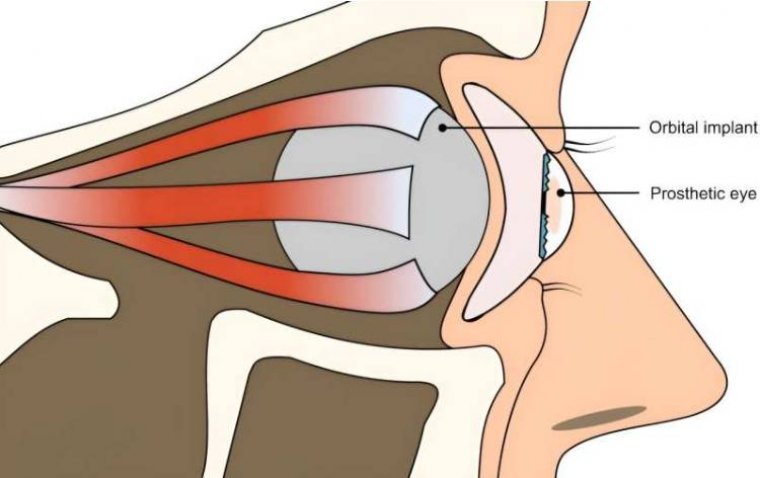
A team of biomedical and ophthalmological researchers from various European institutions, in collaboration with computer graphics specialists, has unveiled a novel technique for 3D printing artificial eyeballs. Published in the esteemed journal Nature Communications, their innovative approach promises to revolutionize…

CoFi, Inc., a leading provider of innovative payment software platforms for eye care practices, announced the market-wide availability of its multi-provider financing solution in collaboration with CareCredit, a Synchrony solution. The announcement marks a significant milestone in CoFi’s mission to…
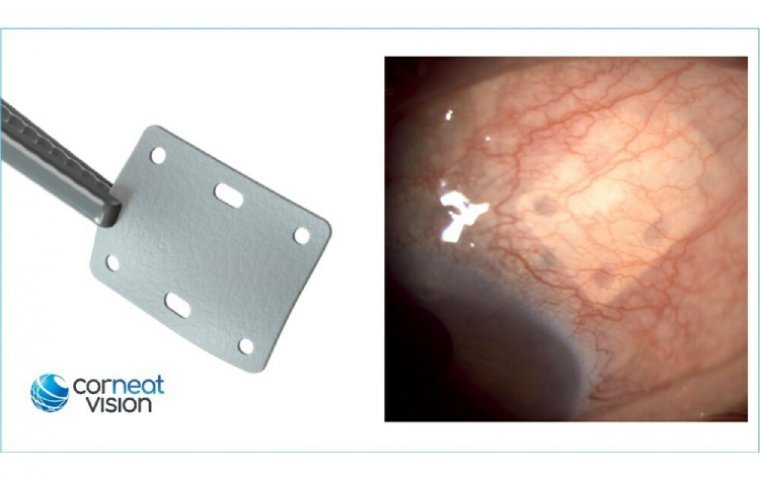
CorNeat Vision has launched the CorNeat EverPatch in the United States, a novel synthetic tissue-integrating matrix poised to transform ophthalmic surgeries. Endorsed by leading surgeons across the US, this FDA-cleared device marks a significant advancement in addressing complications associated with…
Optos PLC celebrates two significant achievements: the global installation of over 25,000 devices and the accomplishment of 2,500 clinical and peer-reviewed studies covering 235 disease states. These milestones underscore Optos’ over three decades of innovation and its substantial impact on elevating…

Amring Pharmaceuticals Inc., a subsidiary of Nordic Group B.V., announced the appointment of Dr. Eric D. Donnenfeld, a distinguished figure in ophthalmology, as the Chair of its U.S. Medical Advisory Board (MAB). This strategic decision comes as the company gears…
Swiss Advanced Vision (SAV-IOL) announced the introduction of new features to its toric calculator, aimed at revolutionizing the way ophthalmologists approach astigmatism correction surgeries. The newly released web-based configurator marks a significant advancement in surgical planning, offering unparalleled precision in…

A study conducted at the New York Eye and Ear Infirmary of Mount Sinai (NYEE) demonstrates that a large language model (LLM) AI system, specifically GPT-4 (Generative Pre-Training–Model 4) from OpenAI, can rival, and in some cases surpass, human ophthalmologists…

The Brightness of Divine Glance In Ancient Egypt One of the first civilizations in human history is that of ancient Egypt. The pioneering work of the ancient Egyptians in the domains of art, medicine, and the mythological storytelling of scientific…
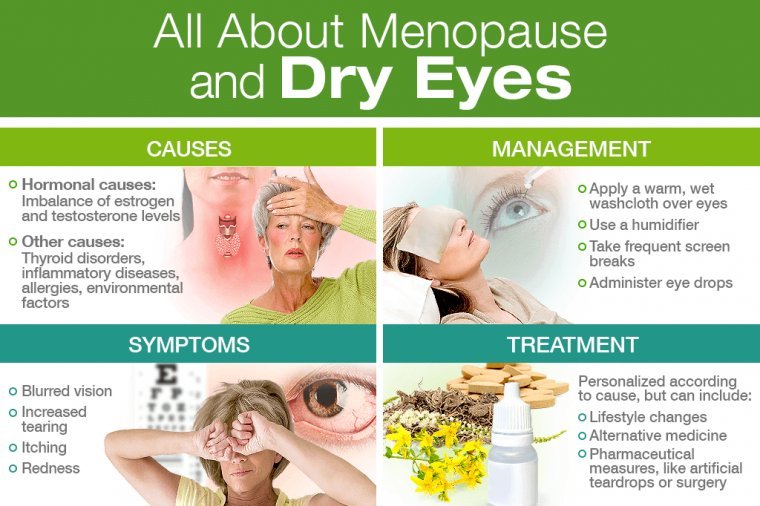
A common ocular problem is dry eye syndrome. Women are more likely to acquire dry eye syndrome and its accompanying detrimental implications on their general eye health, especially menopausal women with comorbidities. One of the most common ocular disorders is…