



Patient Education
Share your love
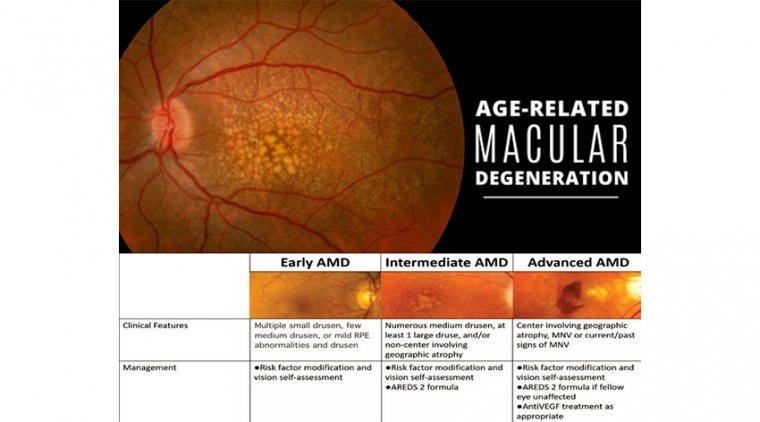
General Stages of AMD & Management
Age-related macular degeneration (AMD) is diagnosed by a comprehensive eye exam and other testing. There are three general stages of AMD, partly based on the size and amount of drusen found under the retina on examination. Early AMD In early…
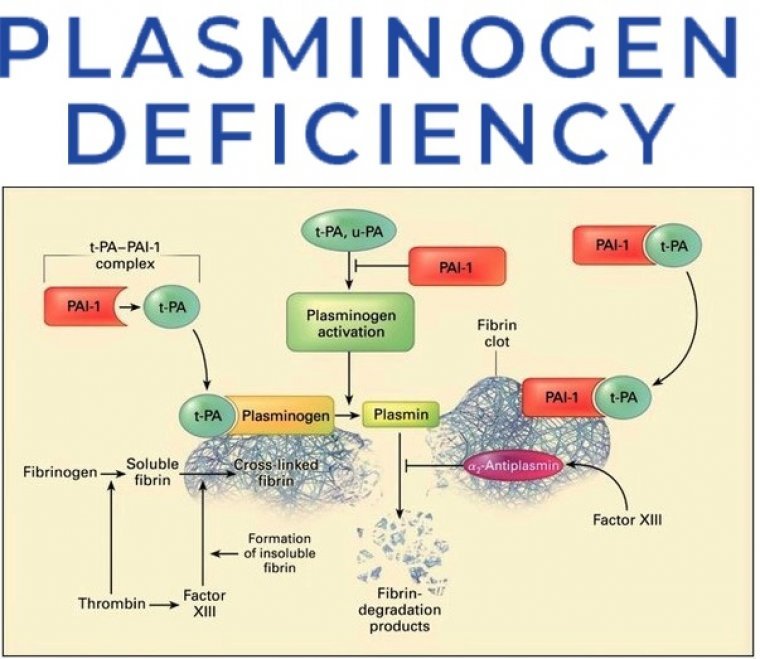
Congenital Plasminogen Deficiency & Blood Ties
Two types of plasminogen deficiency are described in the medical literature. Congenital type 1 plasminogen deficiency is a quantitative disorder with parallel reductions in both the level of immunoreactive and functional plasminogen; type1 plasminogen deficiency is also called hypoplasminogenemia, and…
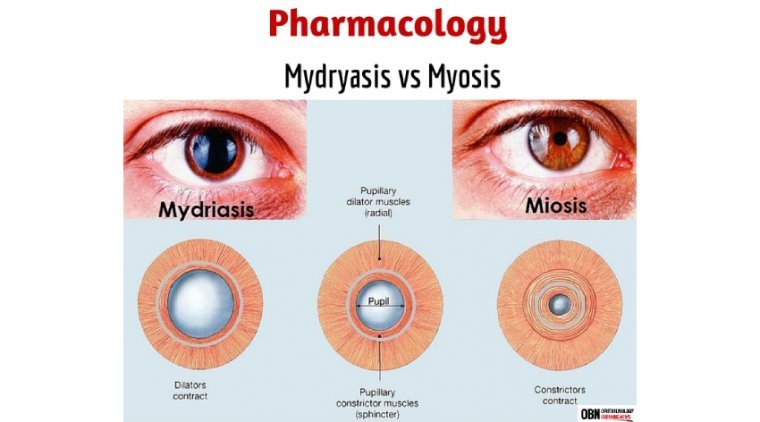
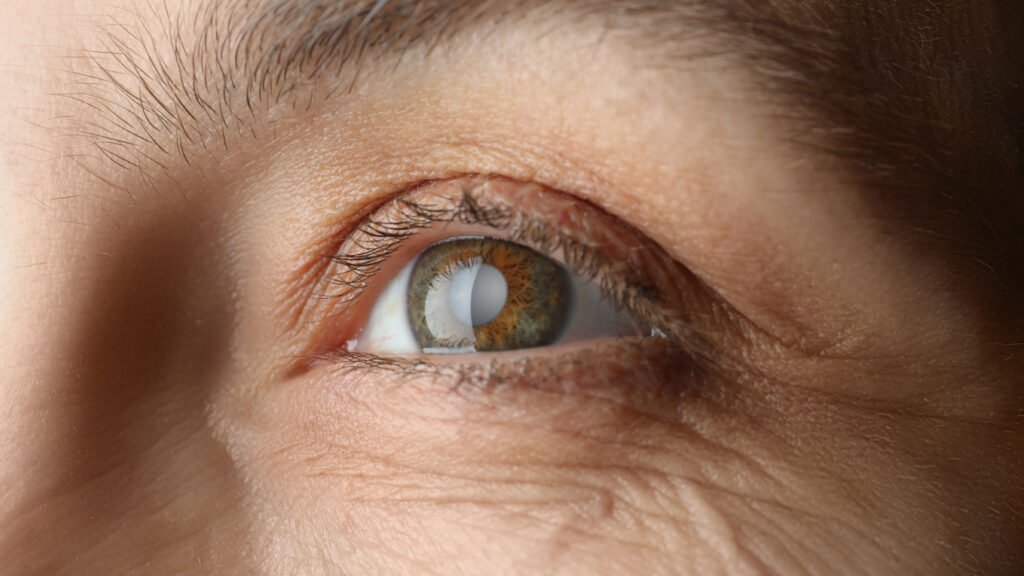
Managing Mydriasis in Cataract – IOL Surgery
Modern cataract surgery is generally a successful procedure. Recent advancements—which involve the use of pre- and intraoperative pharmacological protocols combined with optimal instrumentation allow for well-tolerated and effective procedures in the vast majority of patients. The maintenance of mydriasis and…
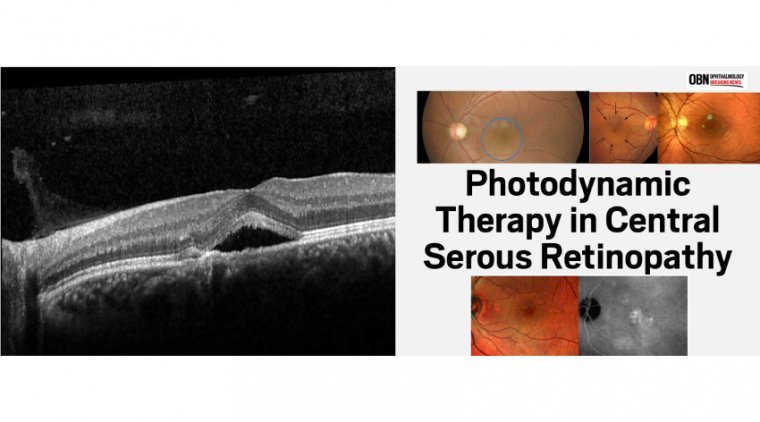
The Role of Photodynamic Therapy in Central Serous Retinopathy
Chronic central serous chorioretinopathy (CSC) is best treated with photodynamic therapy, while a watch and wait approach is a reasonable option for acute disease. CSC is the fourth most common maculopathy after age-related macular degeneration, diabetic macular edema, and retinal…

Charles Bonnet Syndrome (CBS) & Children
Charles Bonnet syndrome (CBS) is characterized by the presence of complex visual hallucinations in psychologically healthy but visually impaired people. It has been well described in the adult population but has been less well characterized in children. Charles Bonnet syndrome causes a…
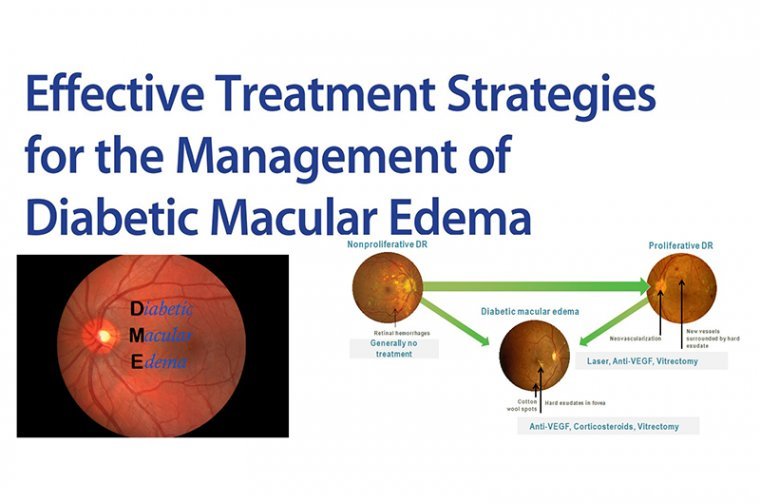
Diabetic Macular Edema & Treatment Strategies
Diabetic macular edema (DME) is the leading cause of blindness in the diabetic population. Although its prevalence varies, the Diabetes Control and Complications Trial (DCCT) reported that 27% of type 1 diabetes (DM1) patients developed macular edema within nine years…
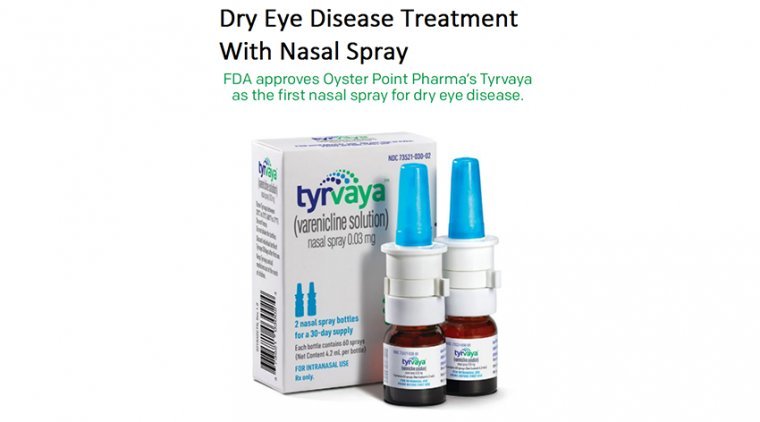
Dry Eye Disease Treatment With Nasal Spray
In dry eye disease, the loss of tear film homeostasis triggers a vicious cycle that involves inflammation and cellular damage as both sequellae of disease as well as primary components contributing to progression, which in turn leads to further tear…
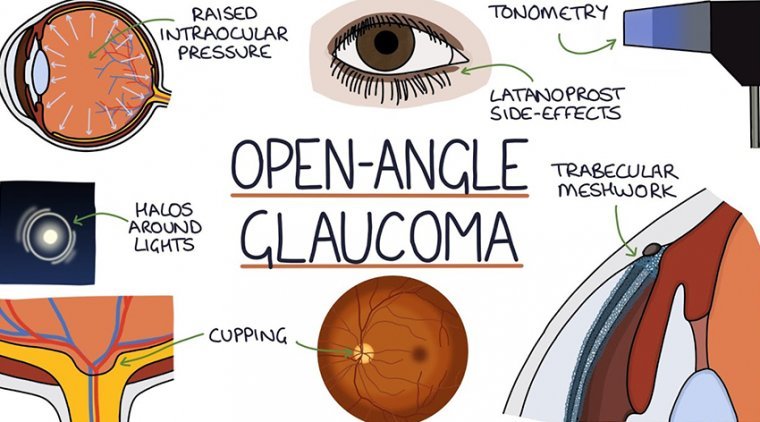
Advancements in Treatment of Open-Angle Glaucoma
Most people who have open-angle glaucoma feel fine and do not notice a change in their vision at first because the initial loss of vision is of side or peripheral vision, and the visual acuity or sharpness of vision is…
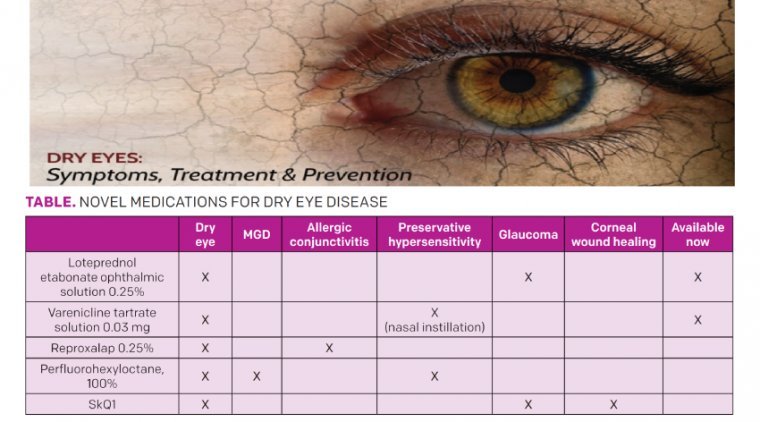
Latest Medications For Dry Eye Disease Treatment
Dry eye disease includes a group of conditions in which the eye does not produce an adequate volume of tears or when the tears are not of the correct consistency. The chance of experiencing dry eye increases with age, affecting approximately…
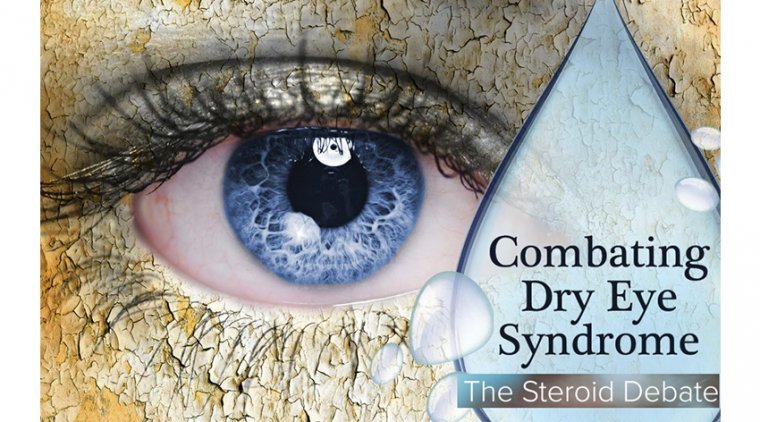
Steroid Treatment For Dry Eye Disease
Dry eye is related to the inflammation of ocular surface, and immune-mediated inflammation plays an important pathogenic role. Corticosteroid is an effective anti-inflammatory drug, which can rapidly and effectively relieve the symptoms and signs of moderate or severe dry eye.…