


Newsletter Subscribe
Enter your email address below and subscribe to our newsletter

Enter your email address below and subscribe to our newsletter
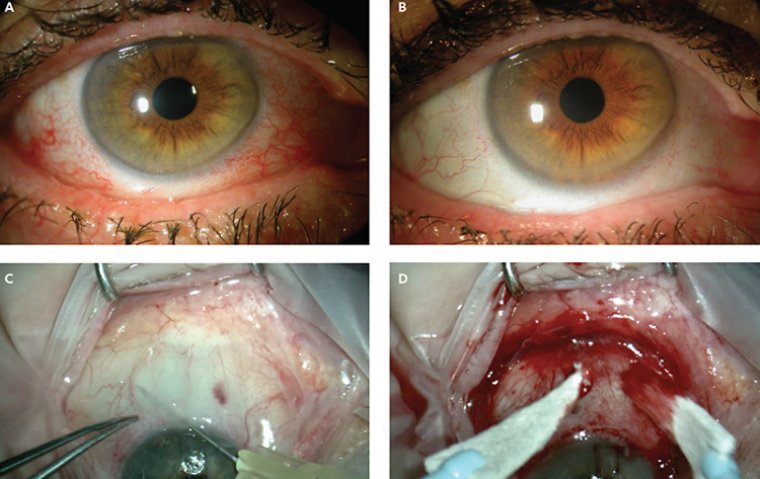
Conjunctivochalasis, though perhaps lesser-known compared to other eye disorders, is a condition that deserves our attention. It manifests as a redundancy of the loose, non-elastic, conjunctival tissue in the eye, often leading to various uncomfortable symptoms. Conjunctivochalasis is a clinical…

What Is Ocular Torticollis? Ocular torticollis, sometimes referred to as ocular “twisted neck,” is a condition where an individual adopts an abnormal head or neck position to compensate for an eye misalignment or vision disorder. The purpose of this unusual…

What Is Myasthenia Gravis? Myasthenia gravis (MG) is an autoimmune neuromuscular disorder characterized by fluctuating muscle weakness and fatigue. In individuals with MG, the immune system produces antibodies that target acetylcholine receptors, vital for nerve-to-muscle communication. This disrupts the normal…
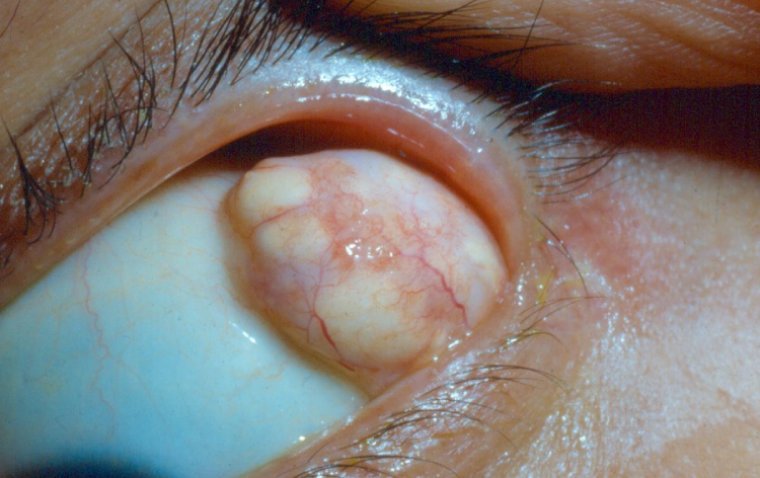
What Is Dermoid Cyst in the Eye? A dermoid cyst in the eye is a benign, congenital growth that can appear on or around the ocular structures. These cysts are unique because they contain a range of tissue types commonly…

What Is Ocular Herpes? Ocular herpes is an eye infection caused by the herpes simplex virus, the same virus responsible for cold sores. This condition can manifest in various forms, affecting different parts of the eye including the eyelids, cornea,…

Cataract surgery is a common and effective procedure that involves removing the cloudy lens in the eye and replacing it with an artificial one. While the surgery itself is relatively quick and straightforward, it can take some time for the…
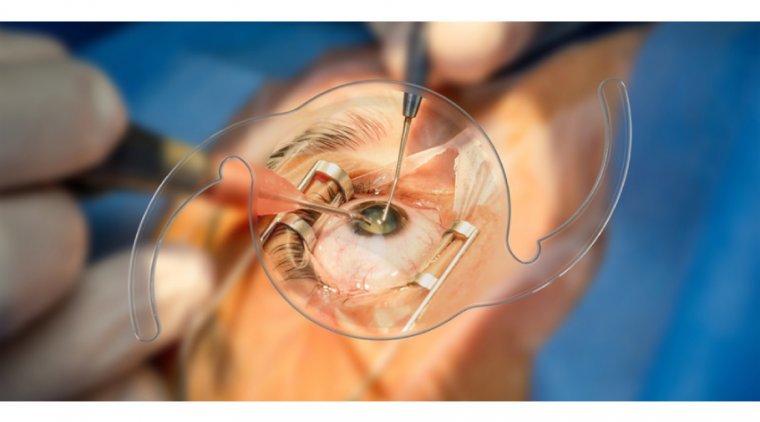
Intraocular lens (IOL) implantation is a surgical procedure in which a lens is implanted inside the eye to replace the natural lens. IOL implantation is usually performed to correct vision problems, such as nearsightedness, farsightedness, and astigmatism, or to replace…
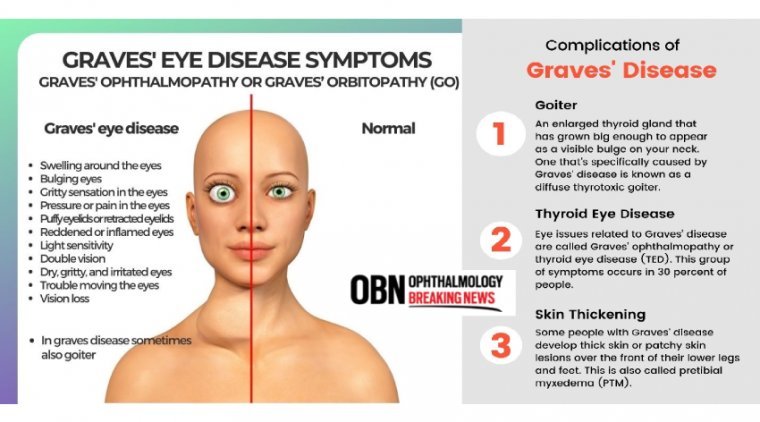
Graves’ eye disease, also known as Graves’ Ophthalmopathy or Thyroid Eye disease, is a condition that typically develops in people with an overactive thyroid caused by Graves’ disease. The Link to Hyperthyroidism and Eye Symptoms The underlying cause of Graves’…
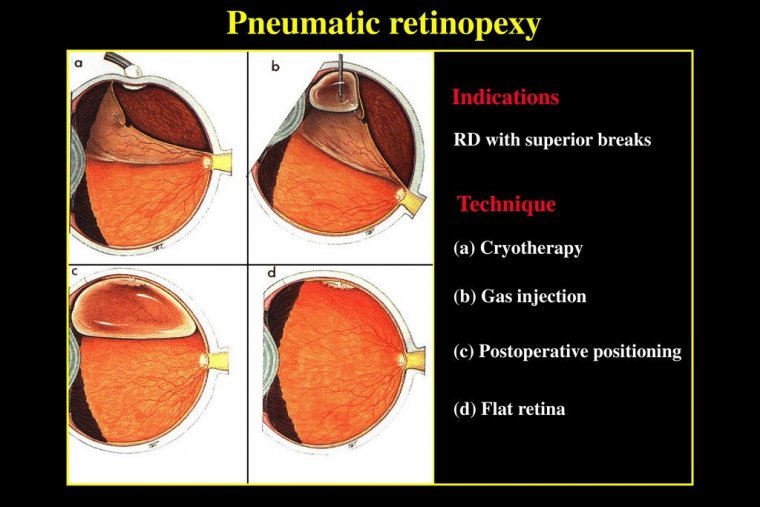
Pneumatic retinopexy is an in-office procedure used to repair certain types of retinal detachments. Pneumatic retinopexy typically treats rhegmatous retinal detachments. The eye is numbed with anesthesia so there is no pain. A gas bubble is injected into the eye…
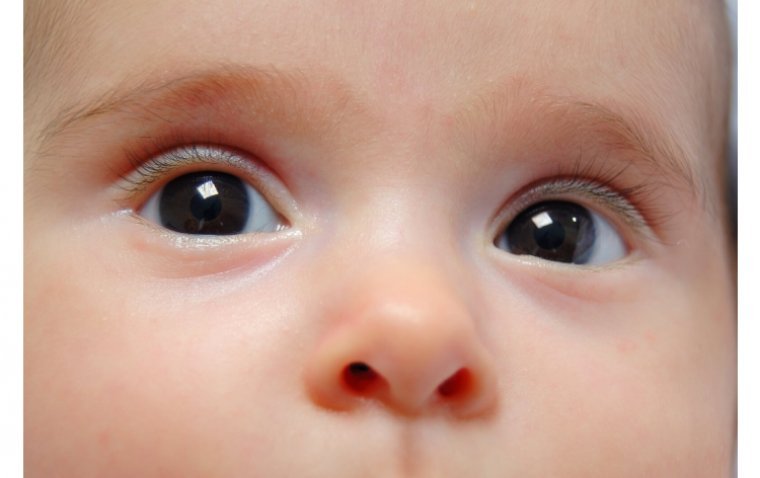
Congenital eye diseases are conditions that affect infants and are present at birth. These conditions can lead to vision impairment and blindness if not properly treated. Three of the most common congenital eye diseases are congenital cataracts, congenital glaucoma, and…