


Newsletter Subscribe
Enter your email address below and subscribe to our newsletter

Enter your email address below and subscribe to our newsletter
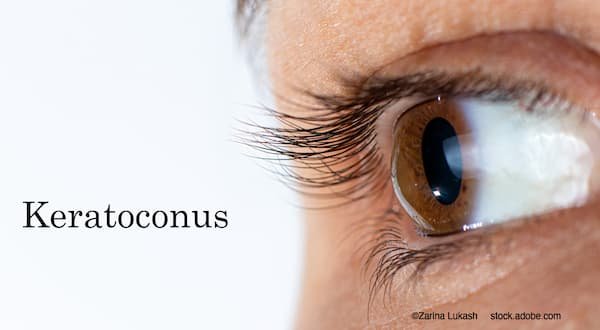
The FDA-approved, incision-free Epioxa therapy is changing the landscape of keratoconus care, explains Gloria B. Chiu, OD, FAAO, FSLS. (Image credit: AdobeStock/Zarina Lukash) Glaukos recently obtained FDA clearance for Epioxa, a topical, incision-free therapy for keratoconus that preserves the corneal epithelium.1 The…

(Image Credit: AdobeStock/Minerva Studio) Nanoscope Therapeutics has released positive 3-year follow-up data from its REMAIN study, the long-term extension of the phase 2b/3 RESTORE trial (NCT04945772) evaluating MCO-010 in retinitis pigmentosa (RP). RESTORE was a multicenter, randomized, double-masked, sham-controlled, dose-ranging study evaluating 2 dose…

The FDA has requested additional evidence for Sydnexis’ SYD-101, a 0.01% atropine eye drop aimed at slowing myopia progression in children, despite positive outcomes from the STAR clinical trial. (Image credit: Ophthalmology Times) The FDA has sent a complete response…
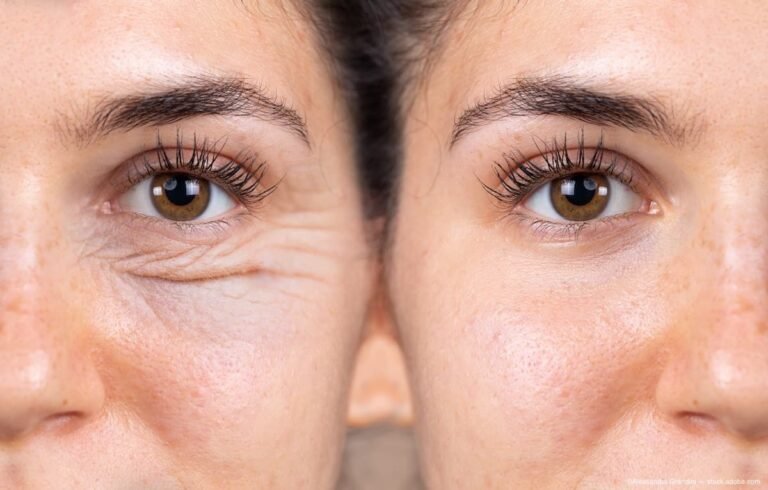
(Image Credit: AdobeStock/Alessandro Grandini) The aesthetic treatment of the periorbital region has evolved significantly, shaped by centuries of innovation and driven by the desire to understand anatomy and how it is affected by aging. Among the earliest documented advancements in…
Margaret A. Chang, MD, MS, presented updates from the HELIOS Phase 1 trial of OTX-TKI, a sustained-release formulation of the tyrosine kinase inhibitor, axitinib, for the treatment of diabetic retinopathy (DR), at the American Academy of Ophthalmology 2025 annual meeting,…

In celebration of Ophthalmology Times’ 50th anniversary, leaders in ophthalmology revisit a memorable “throwback” case from earlier in their careers. In this special series, they reflect on how evolving knowledge, techniques, and technologies have transformed the way such cases are managed…

(Image Credit: AdobeStock/Sherry Young) A new study in the International Journal of Retina and Vitreous reported that use of systemic chemotherapy as a mainstay of treatment for retinoblastoma results in significant decreases in mortality and morbidity. Adding targeted chemotherapy reduced…
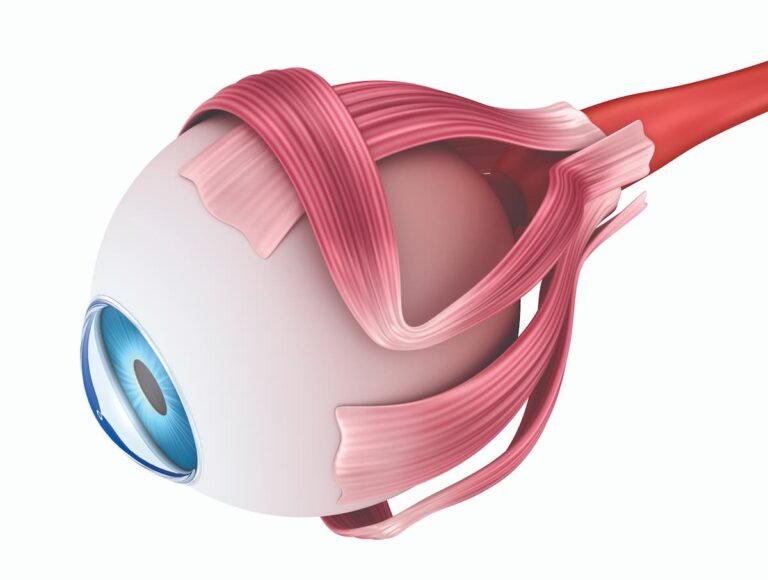
(Image Credit: AdobeStock) Presbyopia-correcting eye drops share a common mechanism: They are miotic agents designed to create a smaller pupil. The power of the pupil to extend depth of focus is impressive, as observed in patients with smaller pupils who…

Stephen Tsang, MD, PhD, professor at Columbia University and attending physician at NewYork-Presbyterian Hospital, shared encouraging early findings on the use of optogenetic therapy for patients with retinitis pigmentosa and Stargardt disease. According to Tsang, a single optogenetic treatment has…

In celebration of Ophthalmology Times’ 50th anniversary, we invited leaders in ophthalmology to revisit a memorable “throwback” case from earlier in their careers. In this special series, they reflect on how evolving knowledge, techniques, and technologies have transformed the way…