



Treatment
Share your love
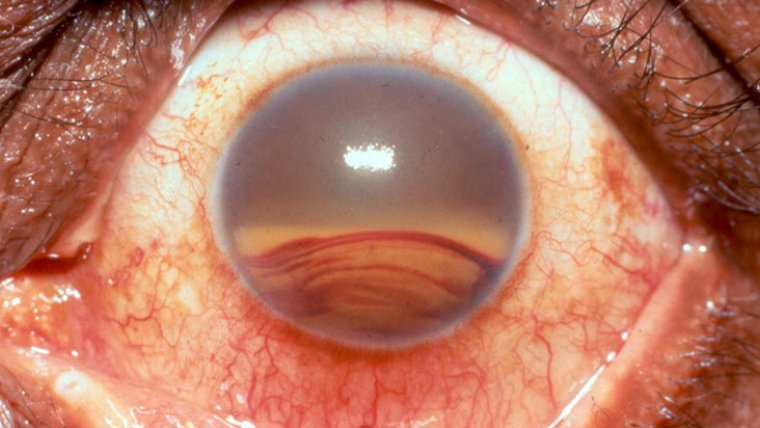
Hyphema (Blood in the Eye), All You Need to Know About! OBN
Our eye health is important for our daily life and we should take care of the signs of any sensitivity. Keep reading the article and find out all you need to know about hyphema and how to treat it. Do…
FDA Nods Miebo by Bausch + Lomb and Novaliq for DED
Bausch + Lomb announced that the FDA has granted approval for Miebo (perfluorohexyloctane ophthalmic solution; previously referred to as NOV03) to treat the signs and symptoms of dry eye disease (DED). Miebo is the first and only FDA-approved treatment for…

Management of Traumatic Eye Injuries
Traumatic eye injuries can have devastating effects on a person’s vision, and in some cases can even lead to permanent blindness. These injuries are often caused by accidents, sports-related injuries, or physical assaults. Traumatic eye injury can range from minor…
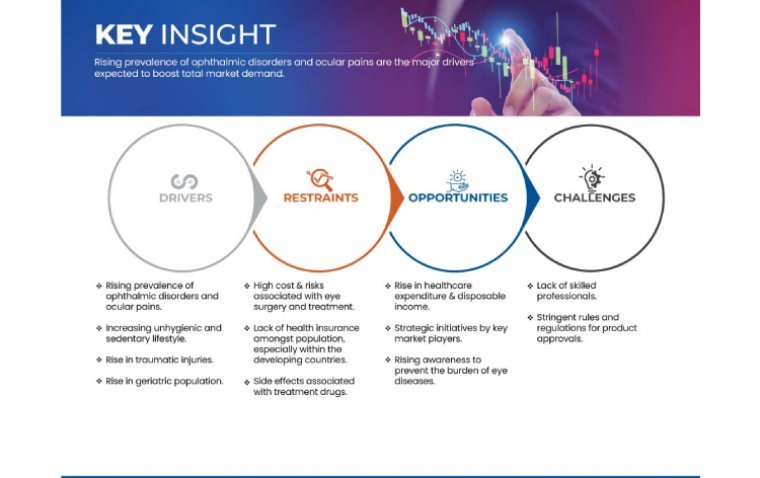
Ophthalmology Market to Grow with a CAGR of 6.4%
According to a recent report from Data Bridge Market Research, the global ophthalmology market is predicted to experience growth during the forecast period of 2023 to 2030. The market is expected to expand at a compound annual growth rate (CAGR)…
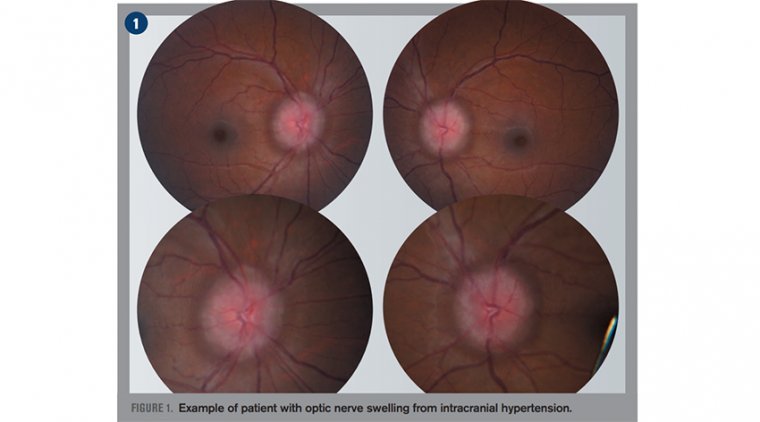
How to diagnose Papilledema, A Swollen Optic Nerve?
Papilledema is the swelling of the optic nerve as it enters the back of the eye due to raised intracranial pressure. Fluid surrounding the brain is constantly produced and reabsorbed, maintaining just enough intracranial pressure to help protect the brain…
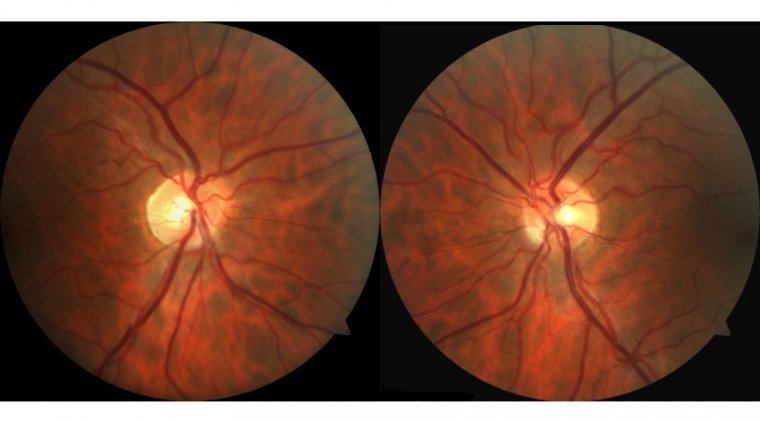
Researchers Develop Criteria to Diagnose Optic Neuritis
A UCL-led team of researchers has created universal criteria for identifying the blinding eye disease optic neuritis. Optic neuritis is an inflammation of the optic nerve that causes rapid and severe vision loss in approximately 6 in 100,000 people. It…

Keratitis: Causes, Symptoms, Treatment | OBN
What Is Keratitis? Keratitis refers to the inflammation of the cornea, which is the clear outer layer of the eye. This condition can be painful and may cause vision loss if left untreated. In this article, we will discuss the…
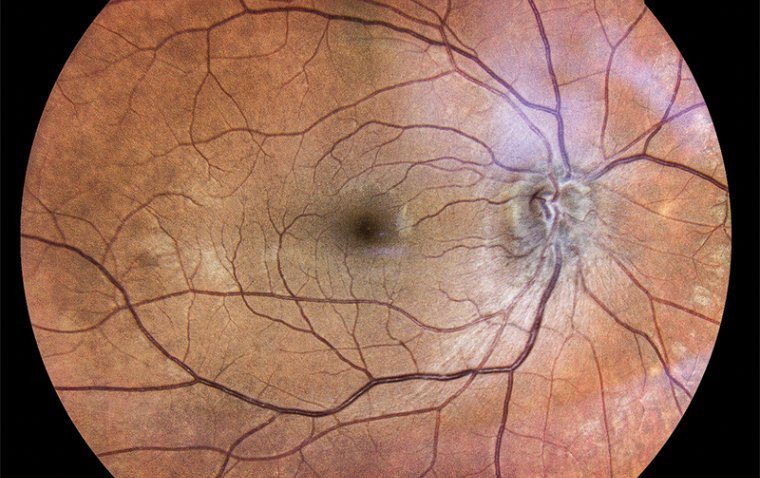
Shedding Light on Optic Neuritis: Causes and Treatments
What Is Optic Neuritis? Optic neuritis is a medical condition that occurs when the optic nerve, which transmits visual information from the eye to the brain, becomes inflamed. This condition can cause pain, vision loss, and other vision-related symptoms. In…

Inward Turning Eyelids: A Guide to Entropion
What Is Entropion? Entropion is an eye condition where the eyelid turns inward, causing the lashes and skin to rub against the eye’s surface. This can lead to discomfort, irritation, and damage to the cornea. In this article, we will…

The Eye Pain You Can’t Ignore: Corneal Abrasions
As we focus our lenses on the future of eye care, we find ourselves blinking in astonishment at the rapid advancements. However, despite these developments, some ocular afflictions still retain their old sting. One such inconvenience that continues to cause…