


Newsletter Subscribe
Enter your email address below and subscribe to our newsletter

Enter your email address below and subscribe to our newsletter

Eyes are sensitive and many the disorders or painful surgeries have an effect on eyes easily. Visual snow syndrome is described as snowy vision or static vision but even though it’s related to the eye, the disorder relates to vision.…
What is Amblyopia? Amblyopia, also known as “lazy eye,” is a condition that affects the vision in one or both eyes. It can make it difficult to see clearly and can impact everyday activities such as reading or playing sports.…
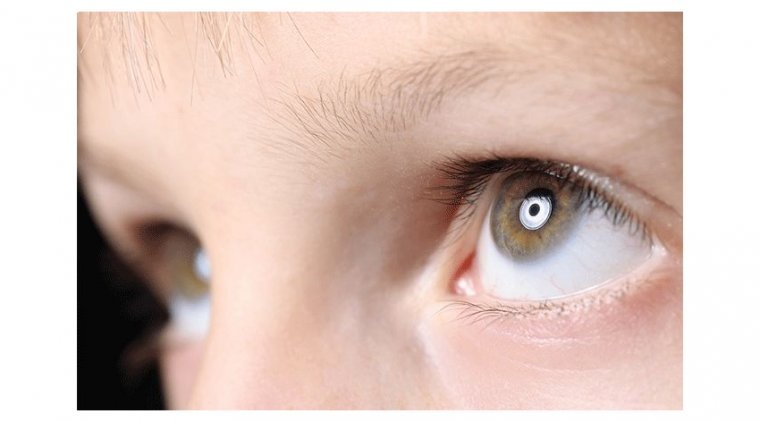
What Is Nystagmus? Nystagmus is uncontrollable eye movements that can begin in infancy or are acquired later in life. It can cause decreased or limited vision. Occasionally, although there is a discomfort that does not show any symptoms, some visual…

What is Waardenburg Syndrome Eyes? Waardenburg Syndrome is named after the ophthalmologist and geneticist Petrus Johannes Waardenburg back in 1951. Abnormal and unusual distribution of genetics during the embryogenesis result in depigmentation in some areas like hairs, eyes and skin.…

What Is Cycloplegia? Cycloplegia is a condition that affects the ability of the eye to focus properly. It is caused by the paralysis of the ciliary muscle, which is responsible for changing the shape of the lens in the eye.…
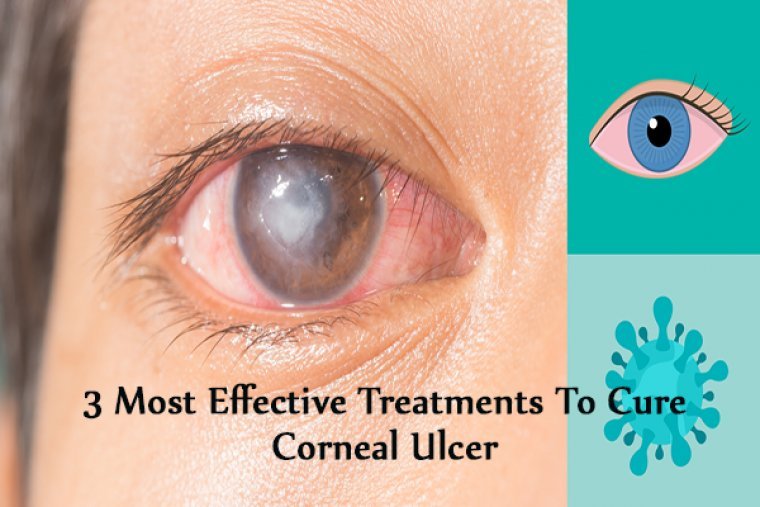
Corneal ulcers may be caused by infections with bacteria, fungi, viruses, or parasites such as Acanthamoeba (which lives in contaminated water). Ulcers may begin with a corneal injury, such as with severe dry eyes, if a foreign object scratches, penetrates,…
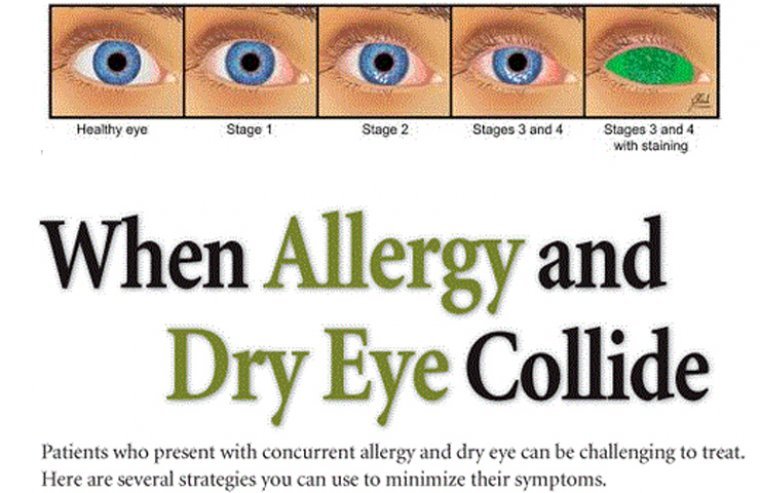
Ocular allergy is a common clinical disorder that includes dry eye syndrome in its differential diagnosis. While ocular allergy treatments have continued to evolve since the early 1990s when the new prescription topical agents became available, there have been no…
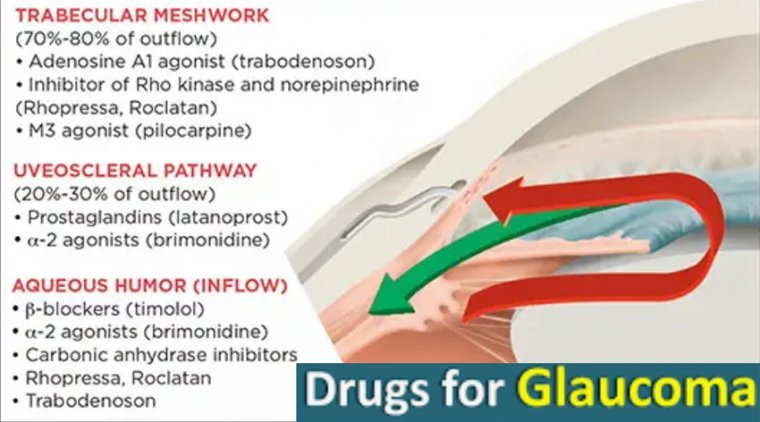
The most common treatments for glaucoma are eye drops and, rarely, pills. They work by lowering the pressure in the eye and preventing damage to the optic nerve. These eye drops won’t cure glaucoma or reverse vision loss, but they…

FAQ What is the relationship between Meibomian Gland Dysfunction and Dry Eye Disease? Meibomian Gland Dysfunction (MGD) can cause or contribute to Dry Eye Disease (DED) because the meibomian glands produce the oils that form the outer layer of the…

Retrobulbar hemorrhage (RBH) is a rapidly progressive, sight-threatening emergency that results in an accumulation of blood in the retrobulbar space. The blood accumulation can lead to an increased IOP that may result in stretching of the optic nerve and blockage…