



Newsletter Subscribe
Enter your email address below and subscribe to our newsletter

Enter your email address below and subscribe to our newsletter
The 0.125% drop is the first nonprescription product to contain the alpha-2 agonist, long used in prescription form to control eye pressure, and it comes with a strict twice-daily limit.
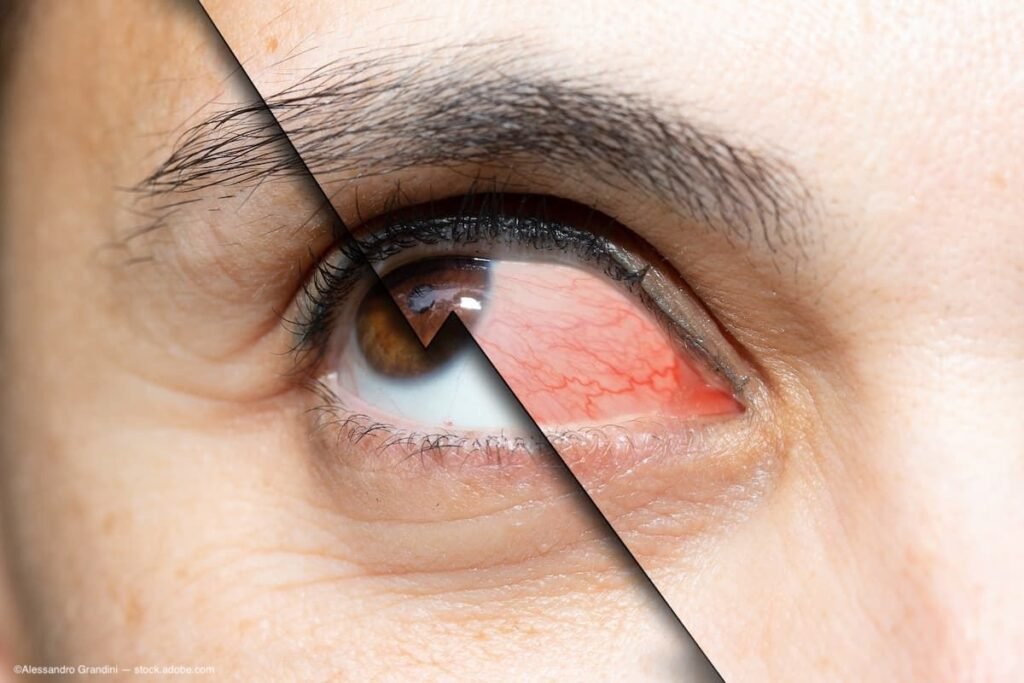
The US Food and Drug Administration approved Brytly, Alcon’s apraclonidine 0.125% eye drop, on 16 October 2026 to relieve redness caused by minor eye irritation. The agency described it as “the first nonprescription eye drop with apraclonidine,” bringing a molecule that ophthalmologists know from glaucoma care and laser surgery to the pharmacy shelf.
The approval covers adults and children aged 12 and older. Under the Drug Facts label, users apply one drop to the affected eye or eyes every 12 hours and no more than twice a day. Children under 12 should not use it.
Apraclonidine has a long history as a prescription medicine. The FDA notes that higher-strength drops are used to lower intraocular pressure in glaucoma and around certain laser procedures. The prescription 0.5% product, Iopidine, is labeled only for short-term adjunctive use, and its label notes that the pressure-lowering effect can fade over time. The same label describes the drug as a relatively selective alpha-2 adrenergic agonist with vasoconstrictor activity. Brytly contains a quarter of that concentration and is approved only to relieve redness.
The nonprescription label keeps its instructions practical. Contact lens wearers should remove their lenses before use and wait at least 10 minutes before putting them back in. Users of other eye drops should leave at least 5 minutes between products, and anyone pregnant or breastfeeding should ask a health professional first. The label tells users to stop and see a doctor if they develop eye pain or changes in vision, or if redness or irritation continues, gets worse or lasts more than three days.
Alcon is positioning Brytly as a long-acting option in a crowded category. The company says one drop reduces redness within one minute, with results lasting up to 12 hours, and that Brytly lasts up to 50% longer than Lumify. That comparison rests on the two products’ label claims, 12 hours for Brytly against 8 hours for Lumify, and not on a head-to-head study. Alcon also says its studies showed a low risk of rebound redness and tachyphylaxis when the drop is used as directed, citing company data on file. The FDA’s announcement reports no efficacy figures and makes no comparison with other products.
In its 16 October announcement, Alcon said it expects Brytly to reach major US retailers and online stores “in the coming months.”
An over-the-counter alpha-2 agonist may prompt new questions from patients in the clinic. The label’s limits, twice a day, no use under 12 and a three-day point at which to seek advice, give clinicians a clear basis for counseling. What the approval does not settle is how the drop performs in everyday, unsupervised use, including whether the company’s findings on rebound redness hold outside its own studies.
Source: US Food and Drug Administration, FDA Approves New Nonprescription Eye Drop for Relief of Eye Redness, 16 October 2026. https://www.fda.gov/drugs/drug-alerts-and-statements/fda-approves-new-nonprescription-eye-drop-relief-eye-redness
Source: Brytly Drug Facts label, DailyMed. https://dailymed.nlm.nih.gov/dailymed/lookup.cfm?setid=a64eaf7f-448e-4def-bddc-f6919d06b357
Source: Lumify Redness Reliever Eye Drops, Drug Facts label and carton, DailyMed. https://dailymed.nlm.nih.gov/dailymed/lookup.cfm?setid=022de945-0b26-40ae-8e88-d3fe2464d106
Source: Alcon, FDA Approves Alcon’s BRYTLY Redness Reliever Eye Drops, 16 October 2026. https://www.alcon.com/media-release/fda-approves-alcons-brytly-redness-reliever-eye-drops-12-hours-whiter-brighter/
Source: Iopidine (apraclonidine 0.5%) prescribing information, Drugs@FDA. https://www.accessdata.fda.gov/drugsatfda_docs/label/2026/020258s034lbl.pdf
The post FDA Approves Alcon’s Brytly, the First Nonprescription Apraclonidine Eye Drop, for Eye Redness appeared first on Ophthalmology Breaking News.
Source: ophthalmologybreakingnews.com
Author: OBN Editorial Team | Date: 2026-11-26 07:00:00