



Newsletter Subscribe
Enter your email address below and subscribe to our newsletter

Enter your email address below and subscribe to our newsletter

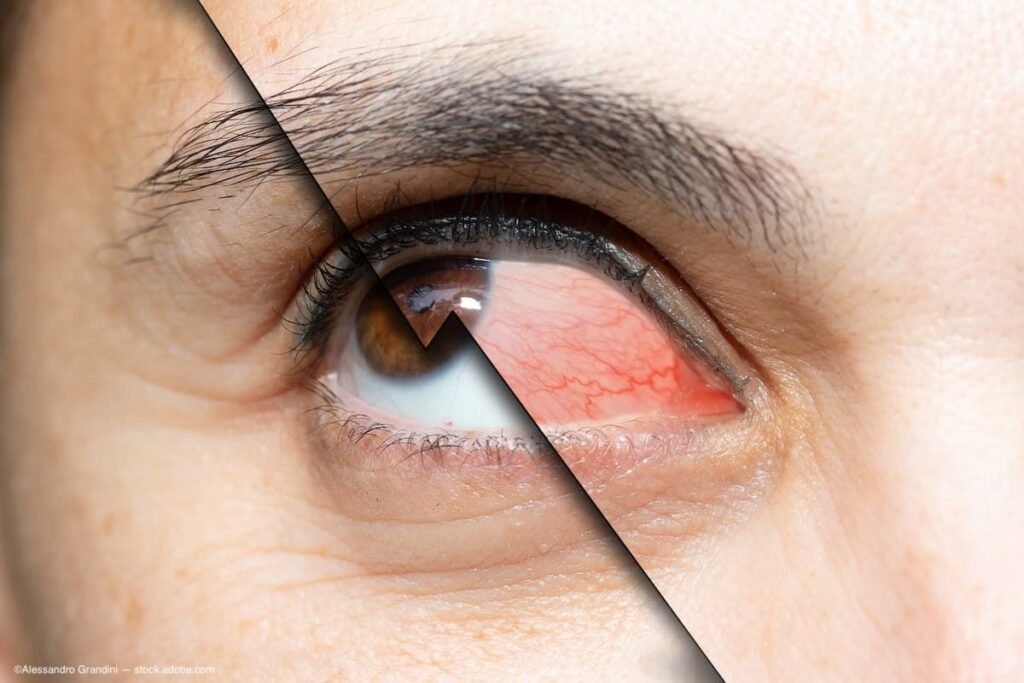
Krystal Biotech’s topical gene therapy Vyjuvek (beremagene-geperpavec) has successfully restored the vision of a 13-year-old boy suffering from the rare genetic condition dystrophic epidermolysis bullosa (DEB), which scarred his eyes. The groundbreaking case, detailed in a recent publication in The…
Eyenovia announced the successful completion of the FDA inspection for its facility in Redwood City, California, marking a significant milestone in the company’s manufacturing capabilities. This achievement signals the green light for the facility to engage in final assembly, packaging,…
Nicox SA announced an agreement with Kowa, granting the latter exclusive rights in Japan for the development and commercialization of NCX 470, a promising nitric oxide (NO)-donating bimatoprost eye drop designed for reducing intraocular pressure (IOP) in individuals with glaucoma…
Okyo Pharma’s first investigational new drug (IND) application for OK-101 has been cleared by the U.S. Food and Drug Administration (FDA), marking a pivotal moment in the development of potential therapies for neuropathic corneal pain. Initially proposed as an open-label…

According to the National Eye Institute (NEI), a trial conducted by the Pediatric Eye Disease Investigator Group (PEDIG) and funded by the NEI revealed that the use of low-dose atropine eye drops (concentration 0.01%) did not demonstrate superiority over a…
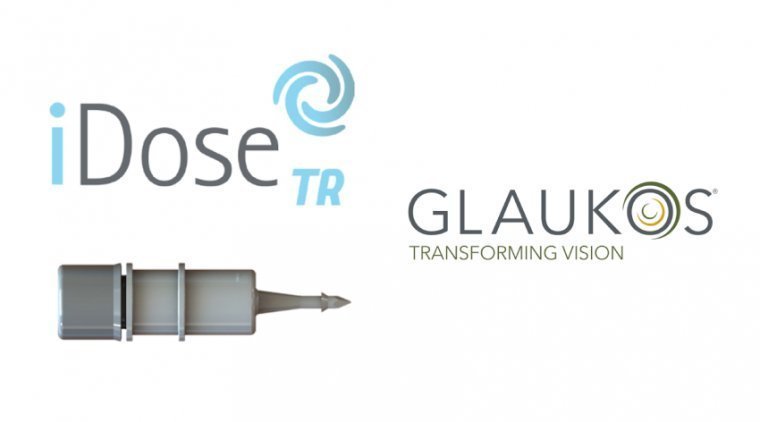
Glaukos has received FDA approval for iDose TR (travoprost intracameral implant 75 mcg), a groundbreaking prostaglandin analog intracameral implant designed to reduce intraocular pressure (IOP) in individuals with ocular hypertension or open-angle glaucoma. The iDose TR procedure, sanctioned for a…
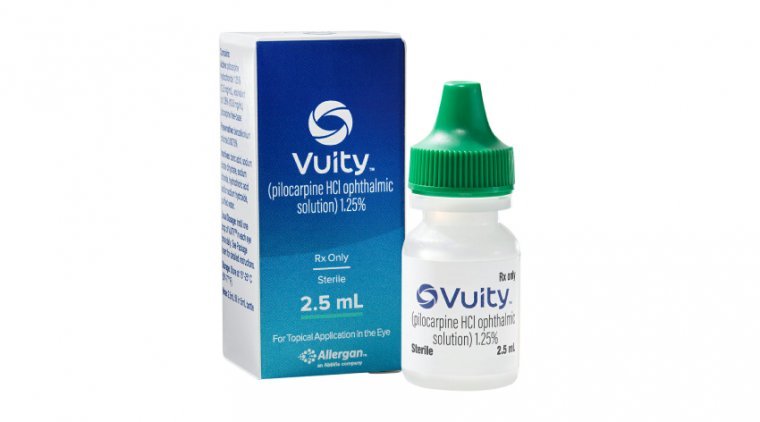
AbbVie, the parent company of Allergan, has announced that the FDA has granted approval for the use of Vuity (pilocarpine HCl ophthalmic solution) 1.25% twice a day in adults suffering from presbyopia. The second dose, consisting of an additional drop…

In a year marked by groundbreaking achievements, the field of ophthalmology witnessed a series of historic firsts, pushing the boundaries of innovation and patient care. Here are the noteworthy milestones: Pioneering the integration of technology into glaucoma management, the world’s…
Aviceda Therapeutics announced that the FDA has granted clearance for the IND for AVD-104. This clearance will allow the company to proceed with the initiation of Phase 2 clinical trials of its leading intravitreal ocular asset for the treatment of…
Aldeyra Therapeutics announced the receipt of a Complete Response Letter from the U.S. Food and Drug Administration (FDA) in response to the New Drug Application (NDA) for reproxalap, an investigational drug candidate designed for the treatment of dry eye disease.…