



Newsletter Subscribe
Enter your email address below and subscribe to our newsletter

Enter your email address below and subscribe to our newsletter
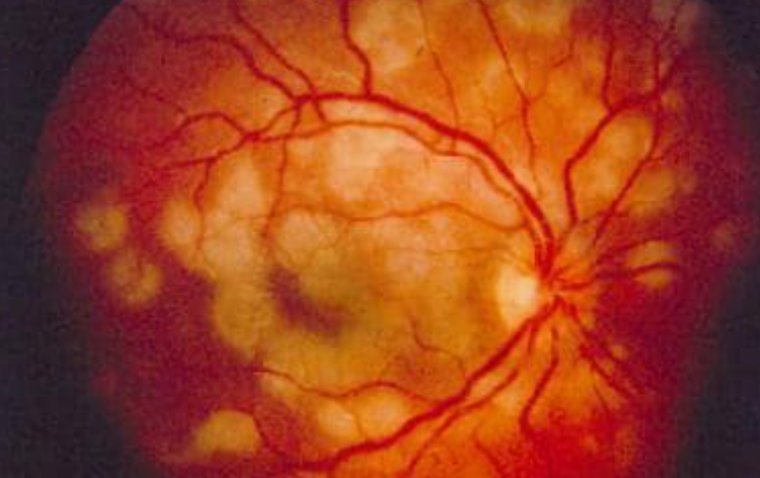
White dot syndrome refers to a group of eye disorders characterized by the presence of white or yellowish lesions on the retina, a sensitive tissue at the back of the eye responsible for vision. These syndromes are significant in eye…
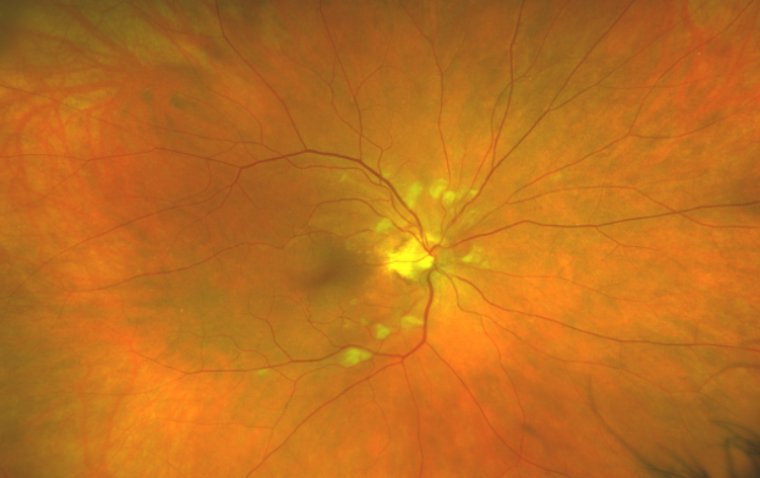
What Are Cotton Wool Spots? Cotton Wool Spots (CWS) are small, white or grayish lesions on the retina—the layer of cells at the back of the eye responsible for converting light into neural signals. These spots signify local ischemia, where…

Eye floaters are small, shadowy shapes that drift across your field of vision. While typically benign, they can be bothersome and impact visual clarity. Floaters result from changes in the vitreous humor, the gel-like substance filling the eye’s interior. For…
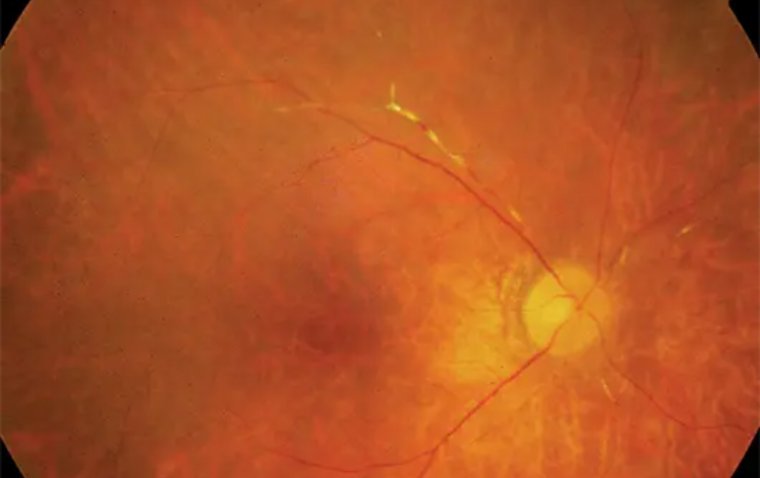
Autoimmune retinopathy (AIR) is a rare group of diseases characterized by retinal degeneration due to autoimmune mechanisms. There are two primary types of AIR: paraneoplastic retinopathy, associated with an underlying malignancy, and non-paraneoplastic autoimmune retinopathy (npAIR), which occurs independently of…
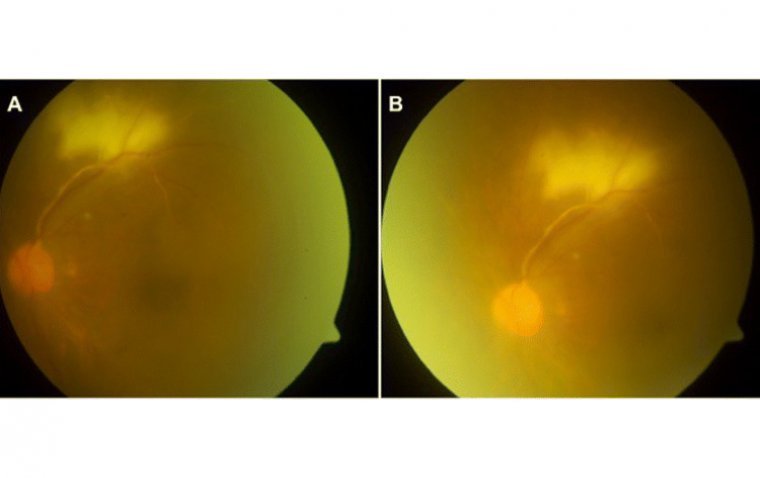
Vitritis is an ocular condition characterized by inflammation of the vitreous, a gel-like substance filling the eyeball behind the lens and in front of the retina. This inflammation can be due to various causes, including infections, autoimmune diseases, or trauma…

In the dynamic landscape of ophthalmology, the evaluation of tear production holds a central position in understanding and managing a spectrum of ocular conditions. Among the various tools available, Schirmer’s Test, named after the pioneering German ophthalmologist Otto Schirmer, stands…
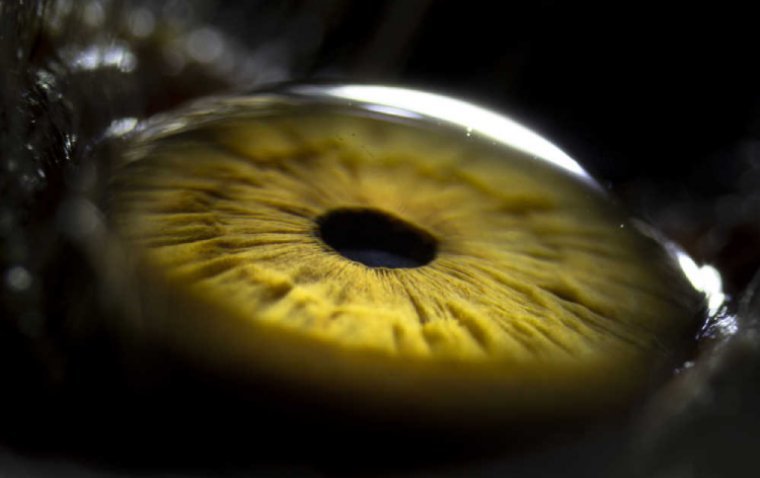
What is Corneal Hysteresis? Corneal hysteresis is a measure of the cornea’s ability to absorb and dissipate energy when subjected to stress, such as the pressure exerted within the eye. The cornea is the clear, dome-shaped front surface of the…

Bayer announced on Friday that the European Medicines Agency’s Committee for Medicinal Products for Human Use (CHMP) has recommended the approval of a high-dose formulation of the renowned eye drug Eylea for the treatment of wet age-related macular degeneration and…

In a groundbreaking medical feat, a surgical team comprising more than 140 clinicians, including surgeons, nurses, and various healthcare professionals from New York University (NYU) Langone Health, has successfully conducted the world’s first whole-eye and partial face transplantation on a…
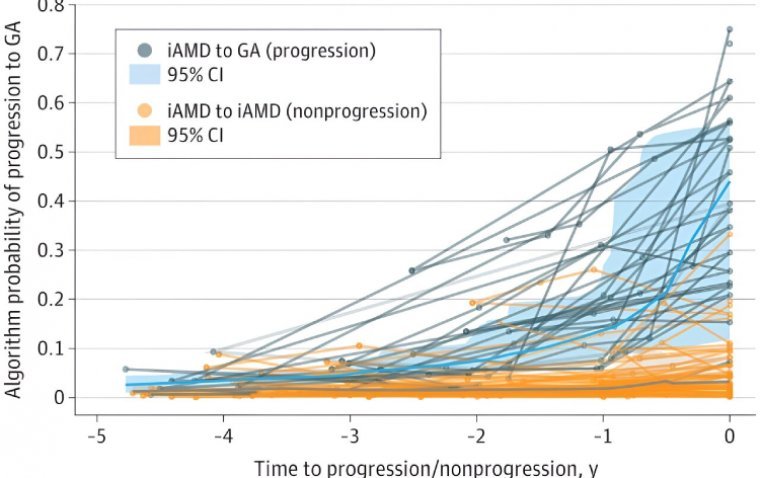
Researchers at Duke University have developed a computer program that can predict with 94% accuracy whether an individual’s age-related macular degeneration (AMD) will deteriorate within a year. The deep learning algorithm, featured in an article within JAMA Ophthalmology, evaluates comprehensive…