




Newsletter Subscribe
Enter your email address below and subscribe to our newsletter

Enter your email address below and subscribe to our newsletter

Alcon has introduced the Alcon Experience Academy (AEA) app to enhance the digital learning experience of eye care professionals (ECPs). The app enables customers to access AEA’s educational and training resources easily. It is a customizable platform that provides ECPs…
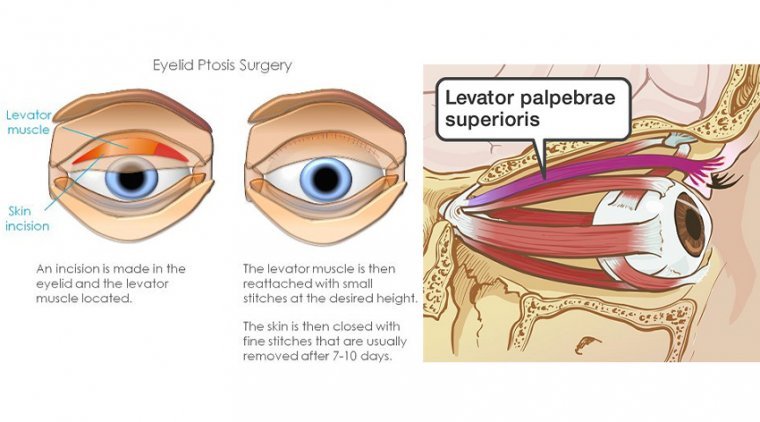
Ptosis is when the upper eyelid droops over the eye. The eyelid may droop just a little, or so much that it covers the pupil (the black dot at the center of your eye that lets light in). Ptosis can…
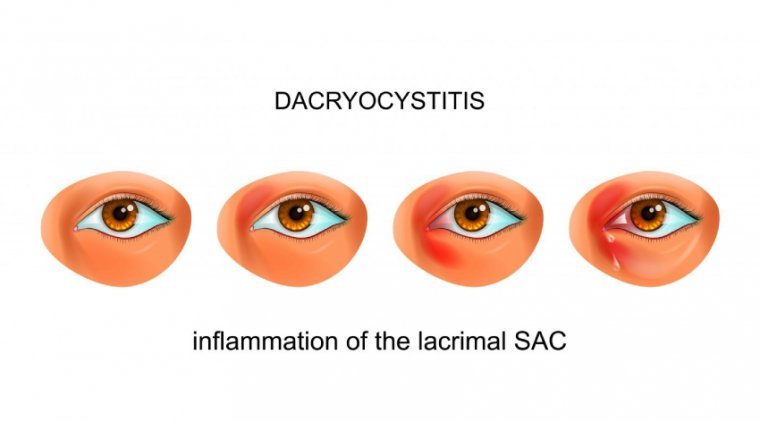
Dacryocystitis is an infection or inflammation of the tear sac, which is located at the corner of the eye near the nose. The tear sac is responsible for collecting and draining tears from the eye to the nasal cavity. When…
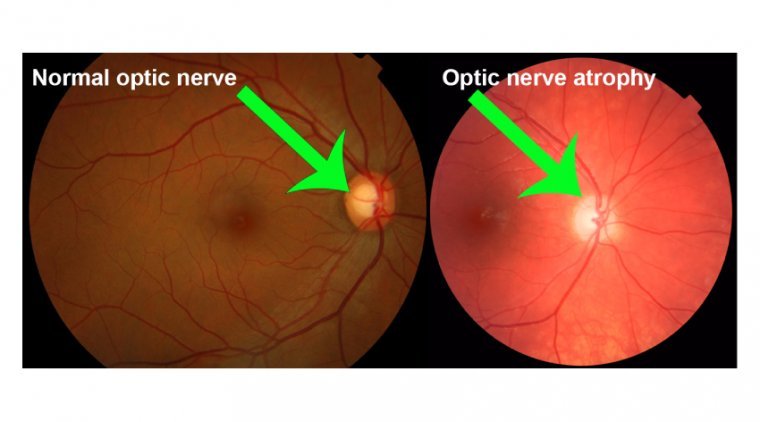
What Is Optic Atrophy? Optic atrophy refers to an end-stage destruction of the retinal ganglion cell axons that comprise the optic nerve causing impairment to the anterior visual pathway (the path from the retina to the lateral geniculate body). On…

The two most common surgical operations and procedures performed in EU hospitals (out of all surgical operations and procedures for which data are collected) are cataract surgery and cesarean sections. In 2021, cataract surgery was the most common surgical operation…

Lowe Syndrome, also known as oculocerebrorenal syndrome of Lowe (OCRL), is a rare genetic disorder characterized by the triad of congenital cataracts, mental retardation, and renal tubular dysfunction. The disorder is caused by mutations in the OCRL1 gene, which encodes…
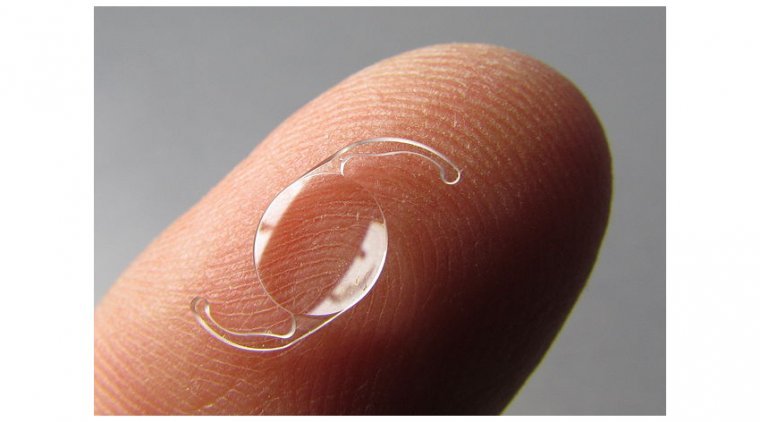
Pseudophakia, is a Latin word, made up of two parts pseudo (fake or artificial) and phakia(lens). It is an incredible visual rehabilitation technique, where an artificial İntraocular lens is introduced into the affected eye after the extraction of a cloudy…

Development of active glasses for mitigating presbyopia has become an active area of research, facilitated by the miniaturization of focus-tunable lenses as well as the increased processing power of modern computers. Alcon the global leader in eye care dedicated to…
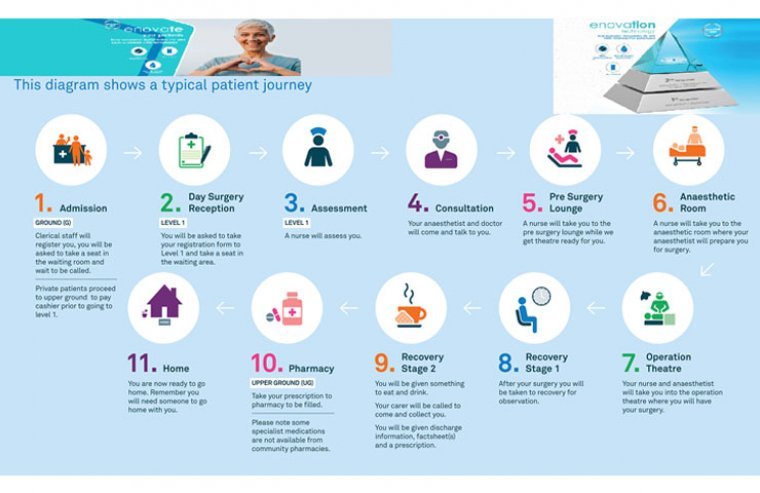
Cataract surgery is the most frequently performed operative procedure worldwide, typically concludes with the implantation of an artificial intraocular lens (IOL) to correct aphakia (absence of the crystalline lens). The surgery—which involves removing the eye’s clouded lens and replacing it…

Conjunctivitis, commonly known as “pink eye,” is a prevalent eye condition that affects people of all ages. Characterized by redness, itching, and discomfort in the eyes, conjunctivitis can be caused by various factors, including viruses, bacteria, allergies, and irritants. Understanding…