



Newsletter Subscribe
Enter your email address below and subscribe to our newsletter

Enter your email address below and subscribe to our newsletter
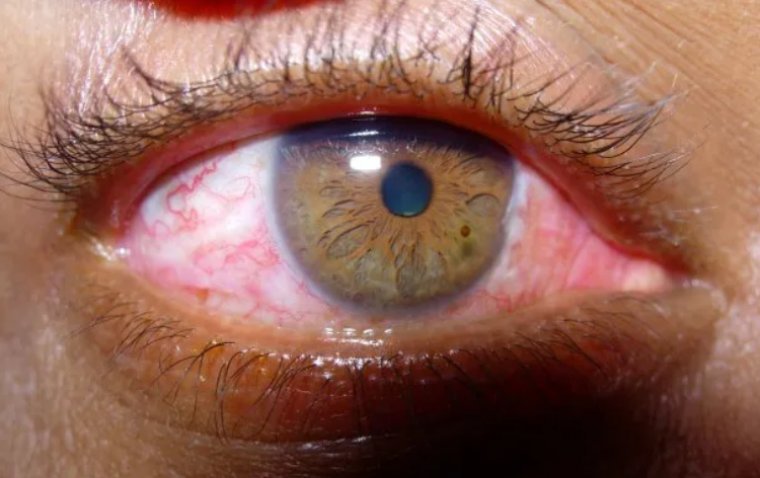
Conjunctival injection, commonly known as red eyes, is a condition characterized by the appearance of bloodshot or pinkish eyes. It occurs when the blood vessels on the conjunctiva, the thin membrane covering the front surface of the eye, become dilated…

The Medicines and Healthcare products Regulatory Agency (MHRA) has recently issued a National Patient Safety Alert due to reports of increased intraocular pressure in patients recently implanted with EyeCee One preloaded and EyeCee One Crystal preloaded intraocular lenses (IOLs), which…
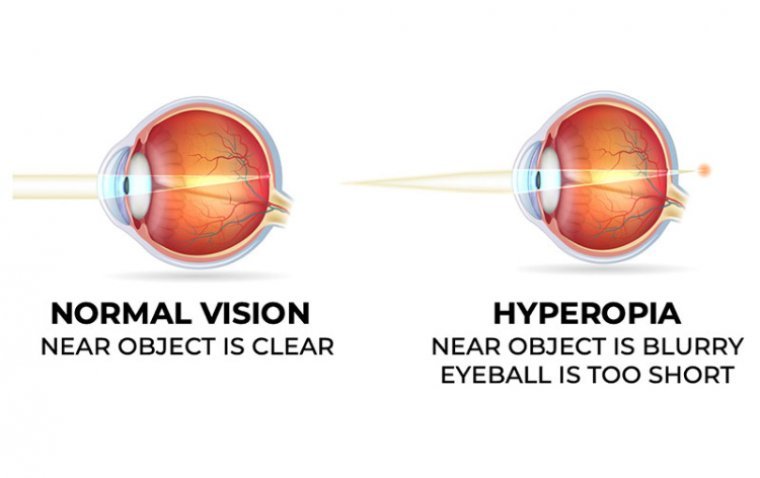
Hyperopia, also known as farsightedness and hypermetropia, is a refractive error of the eye that affects a person’s ability to see objects at close range. In this condition, light entering the eye is focused behind the retina instead of on…

Pars plana vitrectomy (PPV) is a microsurgical procedure used by retina surgeons to perform a variety of operations. The first step in this procedure is to remove the “vitreous gel” that fills the back of the eye (hence “vitrectomy”). While…
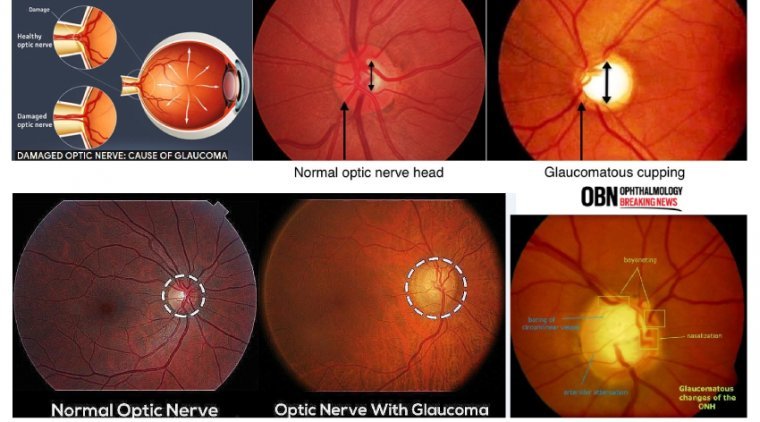
The optic nerve is composed of approximately 1.5 million nerve fibers at the back of the eye that carry visual messages from the retina to the brain. When light hits the retina, the photoreceptors (light-sensitive cells) receive and transmit this…
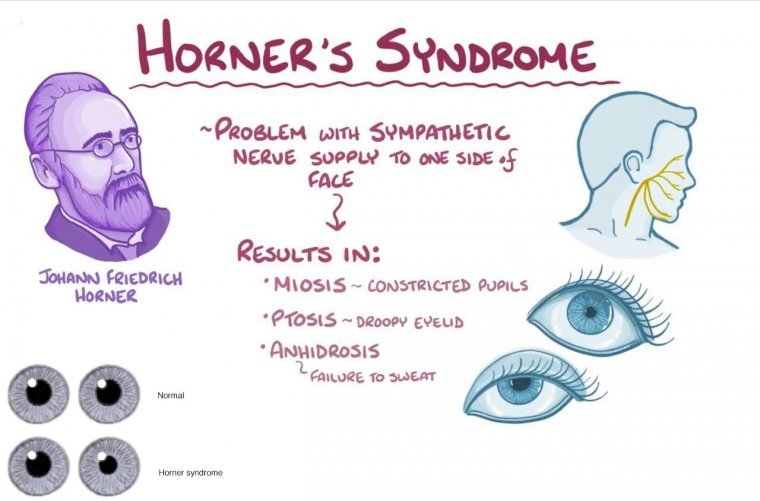
Horner’s Syndrome is a rare neurological condition that affects the nerves controlling the pupil, eyelid, and facial sweating on one side of the face. It is caused by damage to the sympathetic nervous system, which is responsible for controlling certain…

Synechiae, also known as adhesions, are abnormal bands of scar tissue that form between two or more organs or tissues. These bands can occur in different parts of the body and can cause a variety of symptoms. In this article,…

Briefly, a photopsia is a flash or light floating in your eye. They appear to be shiny and luminous. They can be experienced in one eye or both eyes at the same time. Photopsia can either be temporary or they…
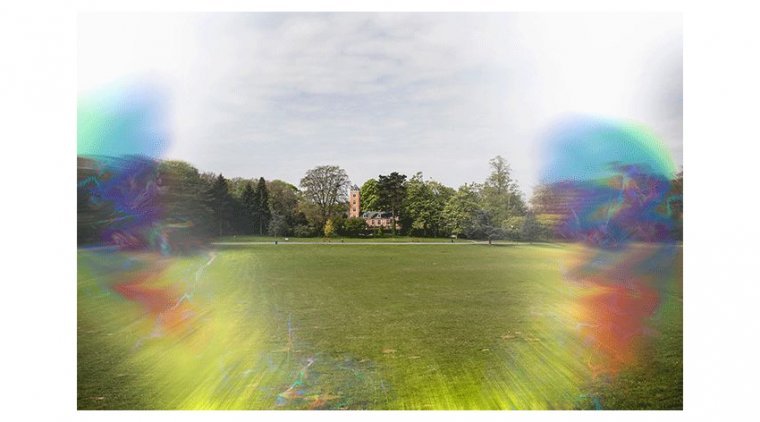
Scotomas can be referred to as blind spots, which are the areas we cannot see. They appear dark or very light, blurred or in a flickering state. These can either be short or long-term. Scotomas don’t cause any serious problems…

Alkem Laboratories has made its foray into the field of ophthalmology by introducing a comprehensive range of affordable and high-quality eye care products. This strategic expansion showcases Alkem’s dedication to innovation and commitment to meeting the diverse needs of patients…