



Newsletter Subscribe
Enter your email address below and subscribe to our newsletter

Enter your email address below and subscribe to our newsletter

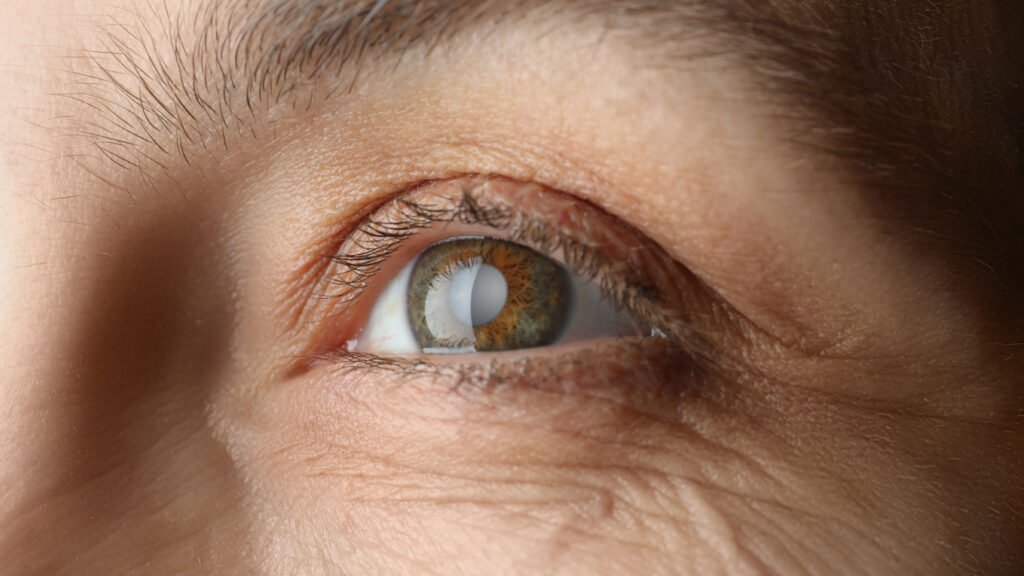
Eclipse blindness, also known as solar retinopathy, is a serious condition that can occur when the human eye is exposed to the harmful rays of the sun during a solar eclipse. While the allure of watching this celestial event is…
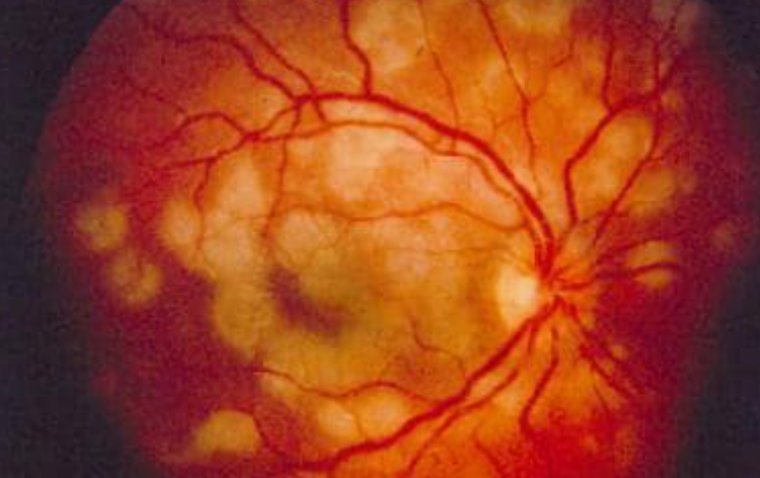
White dot syndrome refers to a group of eye disorders characterized by the presence of white or yellowish lesions on the retina, a sensitive tissue at the back of the eye responsible for vision. These syndromes are significant in eye…
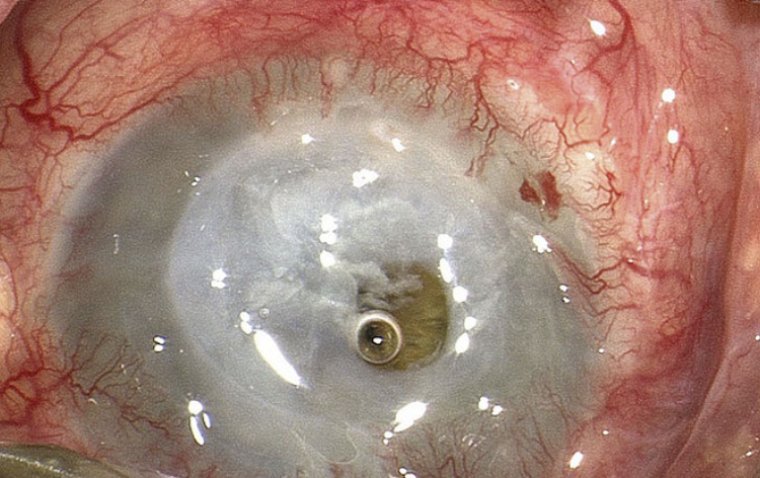
Corneal Melt, also known as keratolysis, is a severe degenerative condition of the eye characterized by the progressive dissolution of the corneal stroma, the middle and thickest layer of the cornea. This dissolution often leads to a thinning and potential…
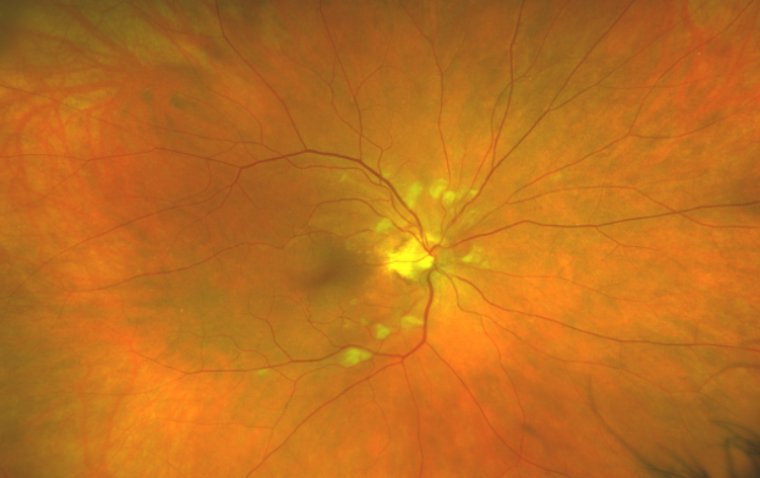
What Are Cotton Wool Spots? Cotton Wool Spots (CWS) are small, white or grayish lesions on the retina—the layer of cells at the back of the eye responsible for converting light into neural signals. These spots signify local ischemia, where…

Eye floaters are small, shadowy shapes that drift across your field of vision. While typically benign, they can be bothersome and impact visual clarity. Floaters result from changes in the vitreous humor, the gel-like substance filling the eye’s interior. For…
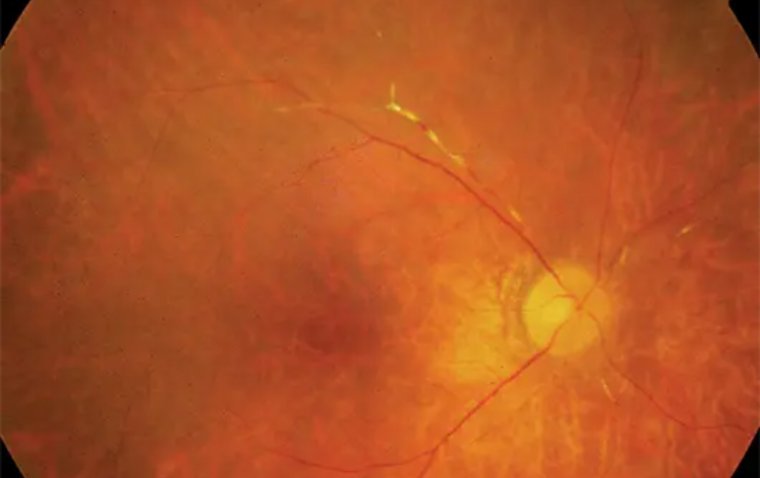
Autoimmune retinopathy (AIR) is a rare group of diseases characterized by retinal degeneration due to autoimmune mechanisms. There are two primary types of AIR: paraneoplastic retinopathy, associated with an underlying malignancy, and non-paraneoplastic autoimmune retinopathy (npAIR), which occurs independently of…
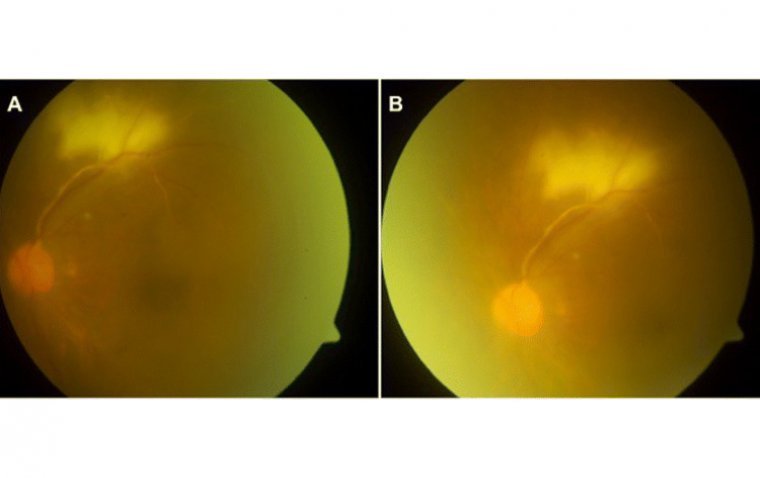
Vitritis is an ocular condition characterized by inflammation of the vitreous, a gel-like substance filling the eyeball behind the lens and in front of the retina. This inflammation can be due to various causes, including infections, autoimmune diseases, or trauma…

In the dynamic landscape of ophthalmology, the evaluation of tear production holds a central position in understanding and managing a spectrum of ocular conditions. Among the various tools available, Schirmer’s Test, named after the pioneering German ophthalmologist Otto Schirmer, stands…
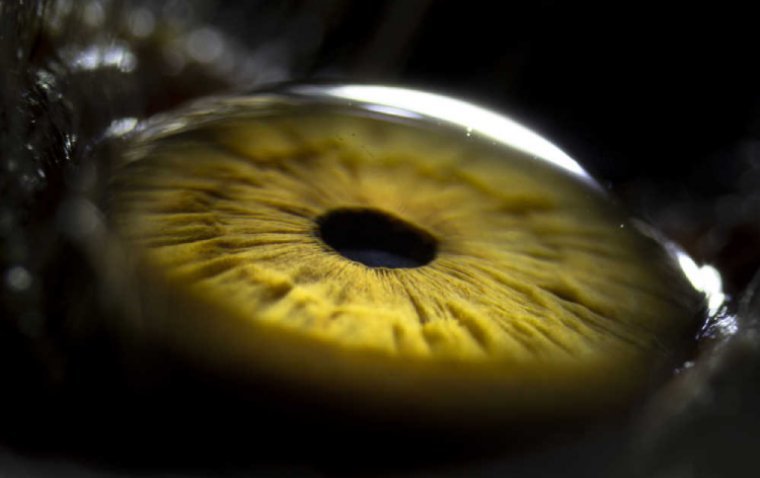
What is Corneal Hysteresis? Corneal hysteresis is a measure of the cornea’s ability to absorb and dissipate energy when subjected to stress, such as the pressure exerted within the eye. The cornea is the clear, dome-shaped front surface of the…

EyeBio announced the successful completion of an extension to its Series A financing, resulting in a total raised amount of $130 million to date. The funding will be utilized by EyeBio to accelerate the company’s clinical development program and expand…