


Newsletter Subscribe
Enter your email address below and subscribe to our newsletter

Enter your email address below and subscribe to our newsletter
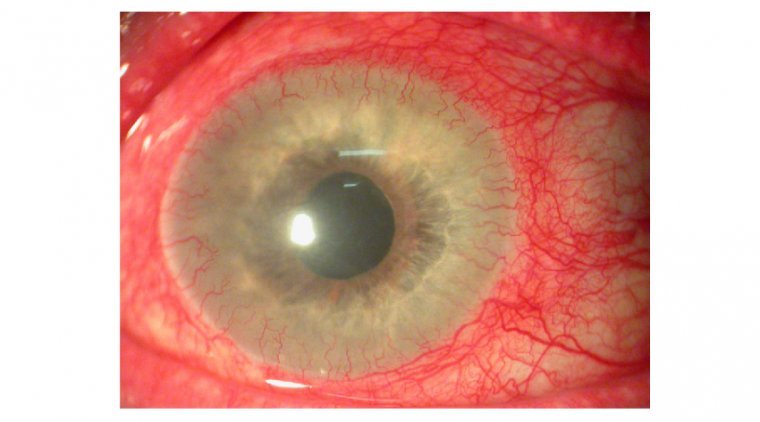
What is Corneal Neovascularization? Corneal neovascularization refers to the abnormal growth of blood vessels in the cornea, which is the clear, dome-shaped surface at the front of the eye. The cornea is responsible for protecting the eye and allowing light…

Bitemporal hemianopia, also known as bitemporal heteronymous hemianopia, is a visual field defect that affects both eyes, resulting in the loss of vision in the outer (temporal) halves of the visual field. In simpler terms, individuals with bitemporal hemianopia experience…
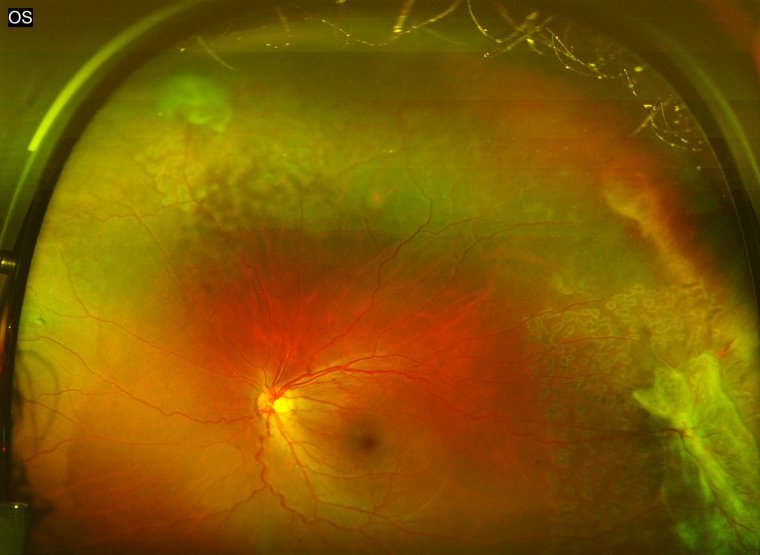
When it comes to sickle cell disease, the complications can be as multifaceted as the condition itself, with sickle cell retinopathy taking center stage in the realm of vision-related issues. This eye-opening complication targets the retina, potentially clouding the world…
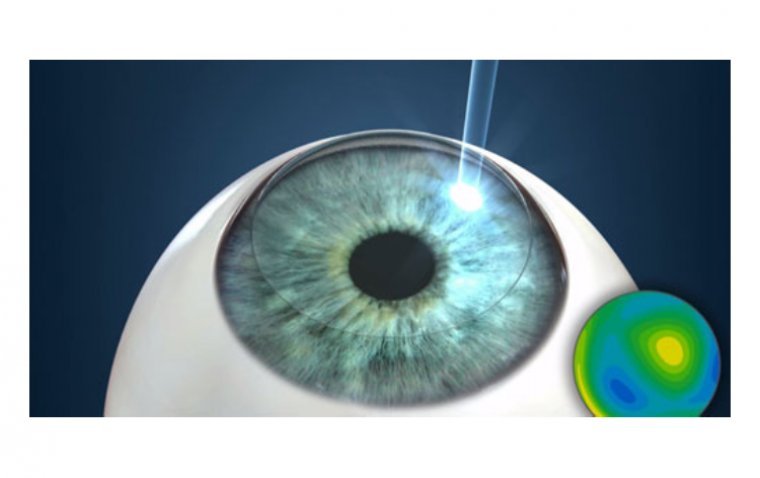
Phototherapeutic Keratectomy (PTK) is a cutting-edge surgical procedure that uses the precision of laser technology to treat an array of corneal diseases. By reshaping the corneal surface and removing irregularities, PTK offers a promising solution for patients seeking relief from…
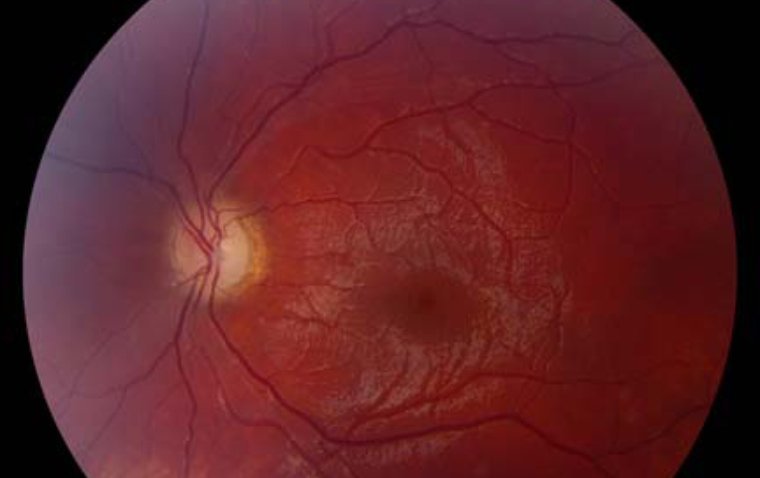
As we gaze into the intricate tapestry of ophthalmic disorders, we encounter some conditions that seem to put us in the spotlight of a thriller movie. Such is the case with Leber’s Hereditary Optic Neuropathy (LHON), a condition whose plot…
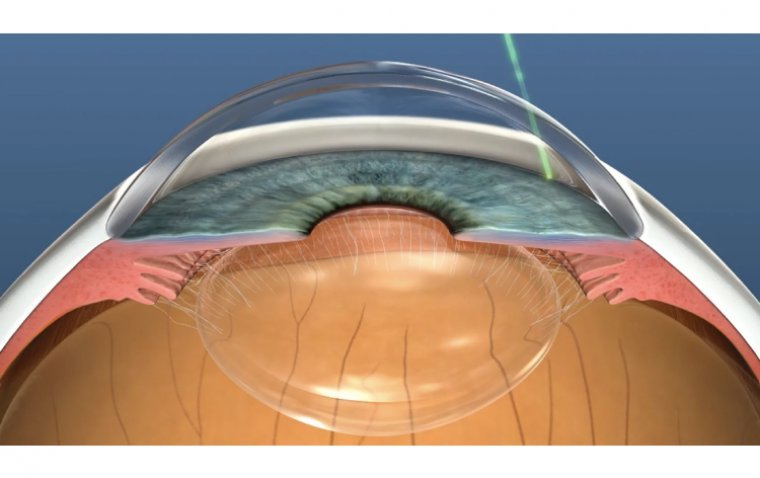
Selective Laser Trabeculoplasty Surgery (SLT) is an innovative procedure that employs laser technology to reduce intraocular pressure (IOP) in patients diagnosed with glaucoma. High IOP is a major risk factor for glaucoma progression and can result in irreversible damage to…
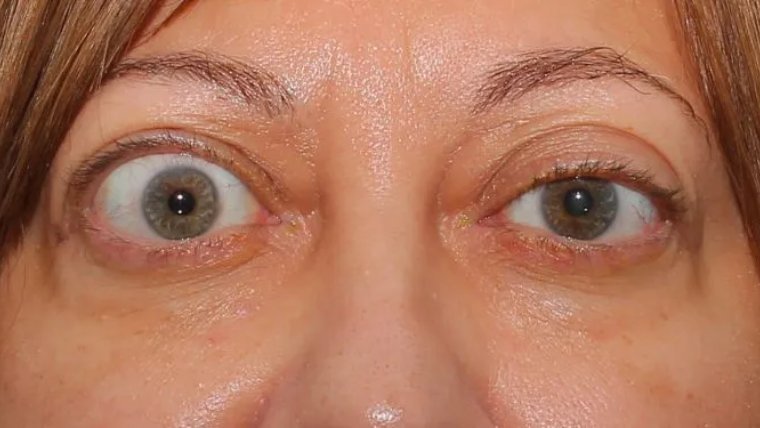
When it comes to the realm of ophthalmology, appearances can be more than meets the eye. This is especially true in the case of exophthalmos, a condition that may cause eyes to “pop” out but certainly not in the way…
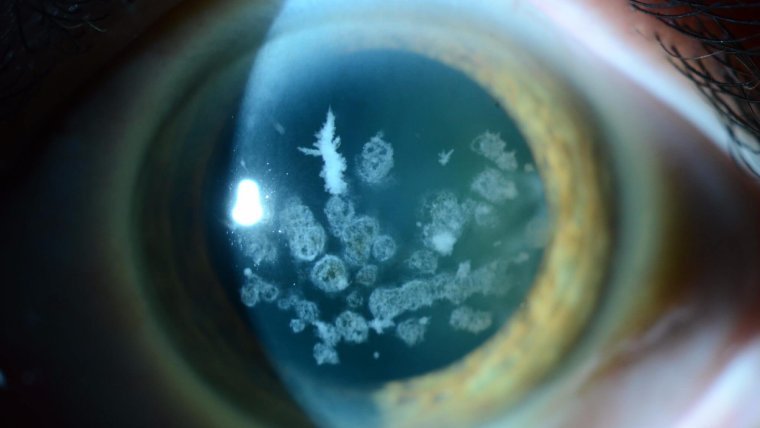
Granular corneal dystrophy (GCD) is an inherited eye disorder that affects the cornea, the clear front surface of the eye. This autosomal dominant condition is caused by mutations in the TGFBI gene, responsible for encoding a protein found throughout the…
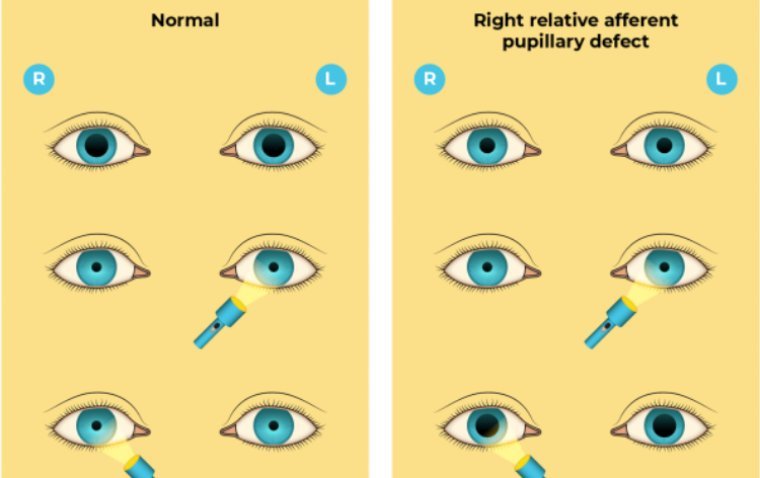
Get ready to dive into the “pupil”-lating world of the ‘Relative Afferent Pupillary Defect’ (RAPD). But don’t let the term “defect” have you “seeing double” with concern. In the vast cosmos of ophthalmology, it’s merely another star, albeit one that…
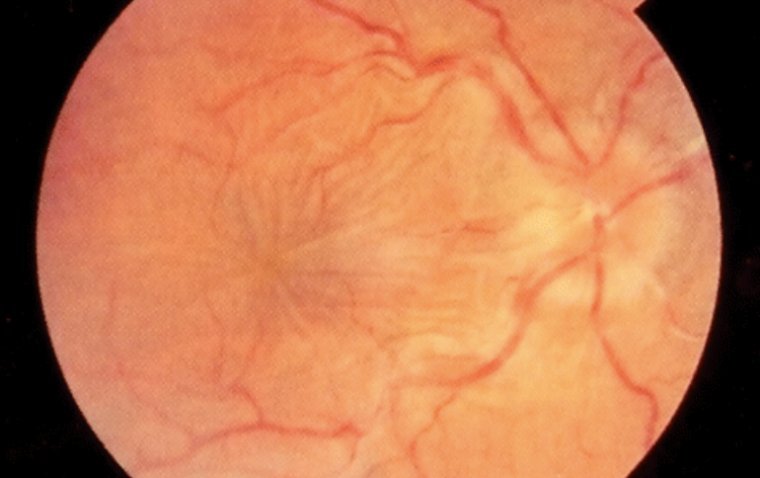
Borrowing from the language of meteorology, we often talk about intraocular pressure (IOP) in the eye akin to the atmospheric pressure that shapes our weather. But what happens when this pressure drops significantly, much like a sudden atmospheric low pressure…